Esports has emerged as one of the most influential forms of modern competition, transforming video gaming into a global cultural and economic force. What was once considered a casual pastime has evolved into a professional industry with dedicated athletes, international tournaments, and millions of passionate fans. Esports is not just about games; it is about skill, discipline, community, and innovation. This blog explores the journey of esports, its impact on individuals and society, and why it has become a defining element of digital-era entertainment.
Understanding What Esports Truly Is
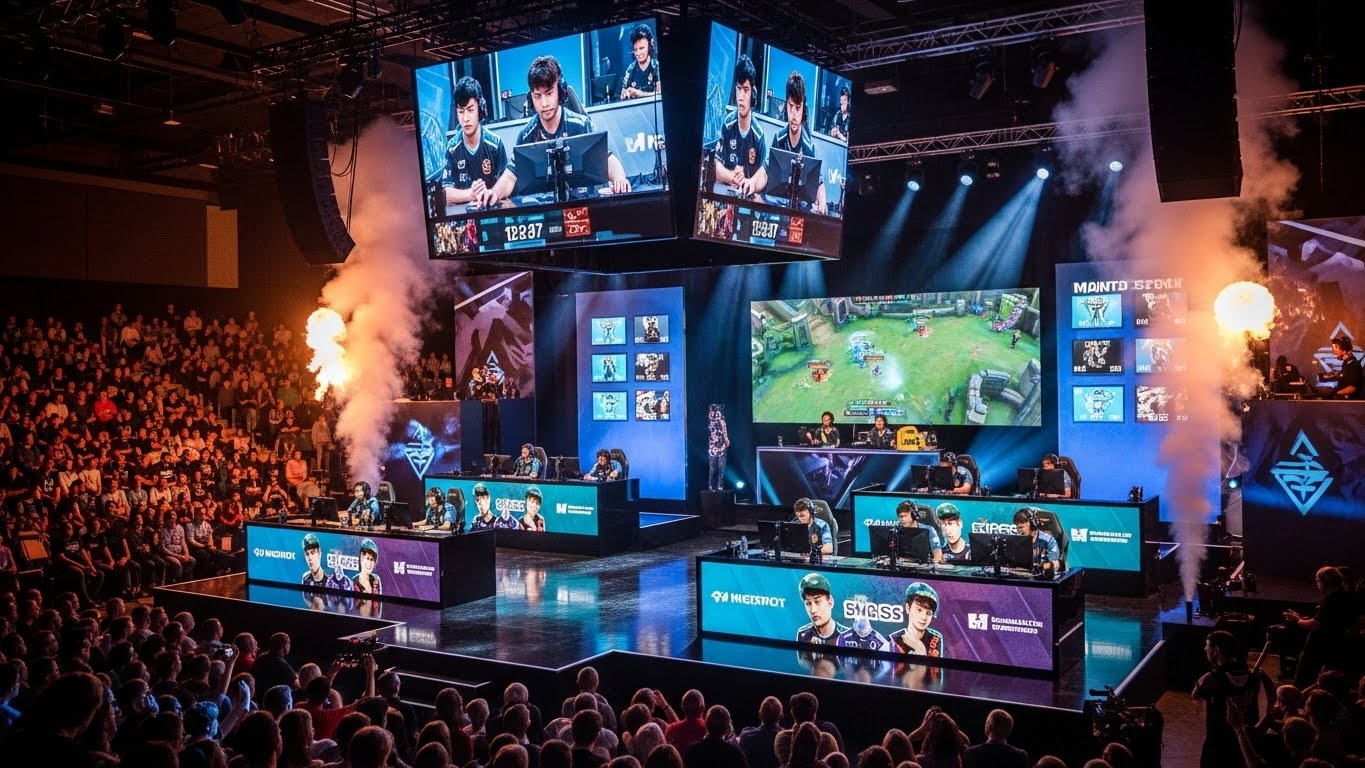
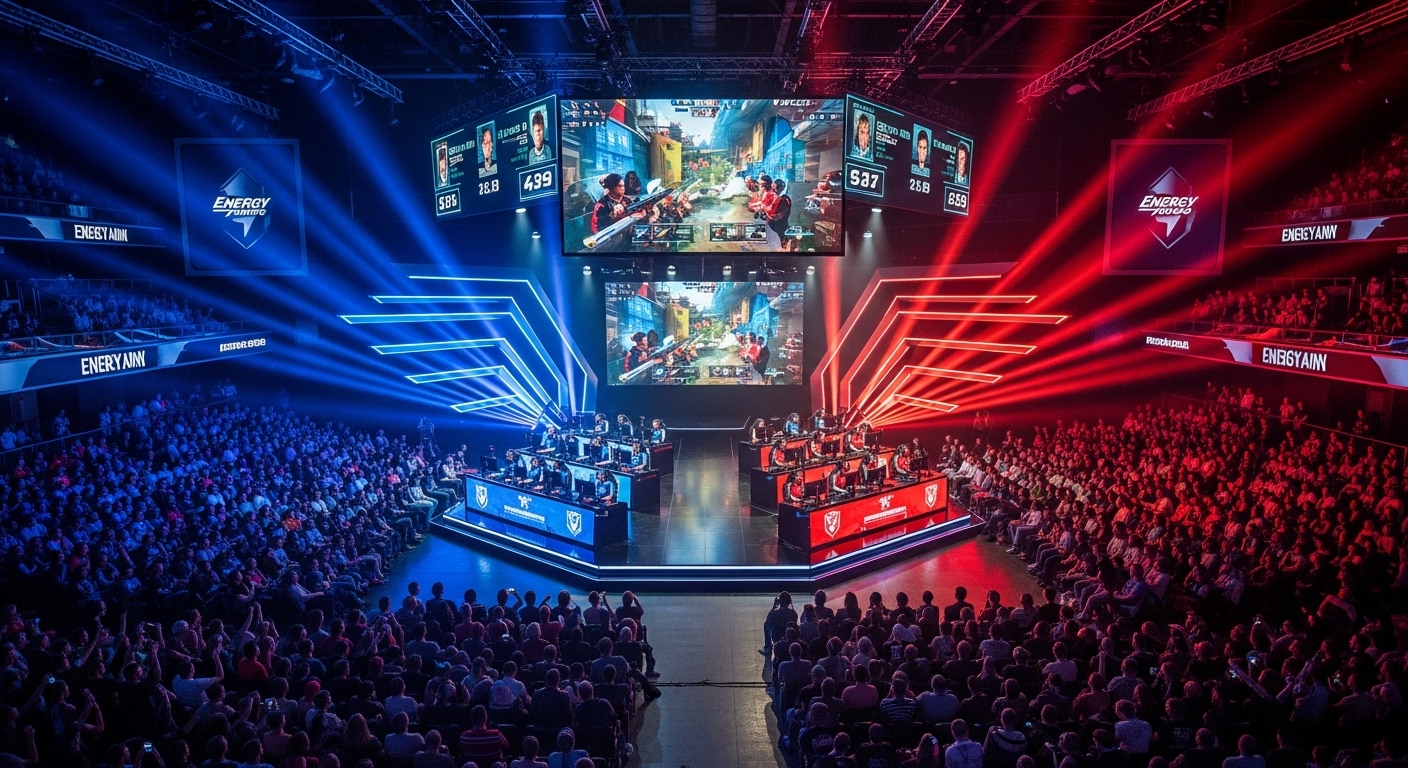
Esports, short for electronic sports, refers to organized competitive video gaming played at a professional or semi-professional level. Players compete individually or in teams across various game genres, including strategy, shooting, sports simulation, and multiplayer battle games. These competitions follow structured rules, official leagues, and scheduled tournaments. Matches are often broadcast live to global audiences, complete with commentary and analysis, making esports a spectator experience comparable to traditional sports.
The Early Foundations of Competitive Gaming
The origins of esports can be traced back to the late twentieth century, when video games first gained popularity in arcades and homes. Early competitions focused on achieving high scores and winning local tournaments. As gaming technology improved and personal computers became more common, competitive communities formed around popular titles. The introduction of online multiplayer gaming allowed players from different regions to compete against one another, marking a turning point in the development of esports. These early foundations paved the way for organized competitions and professional leagues.
The Transition to Professional Esports
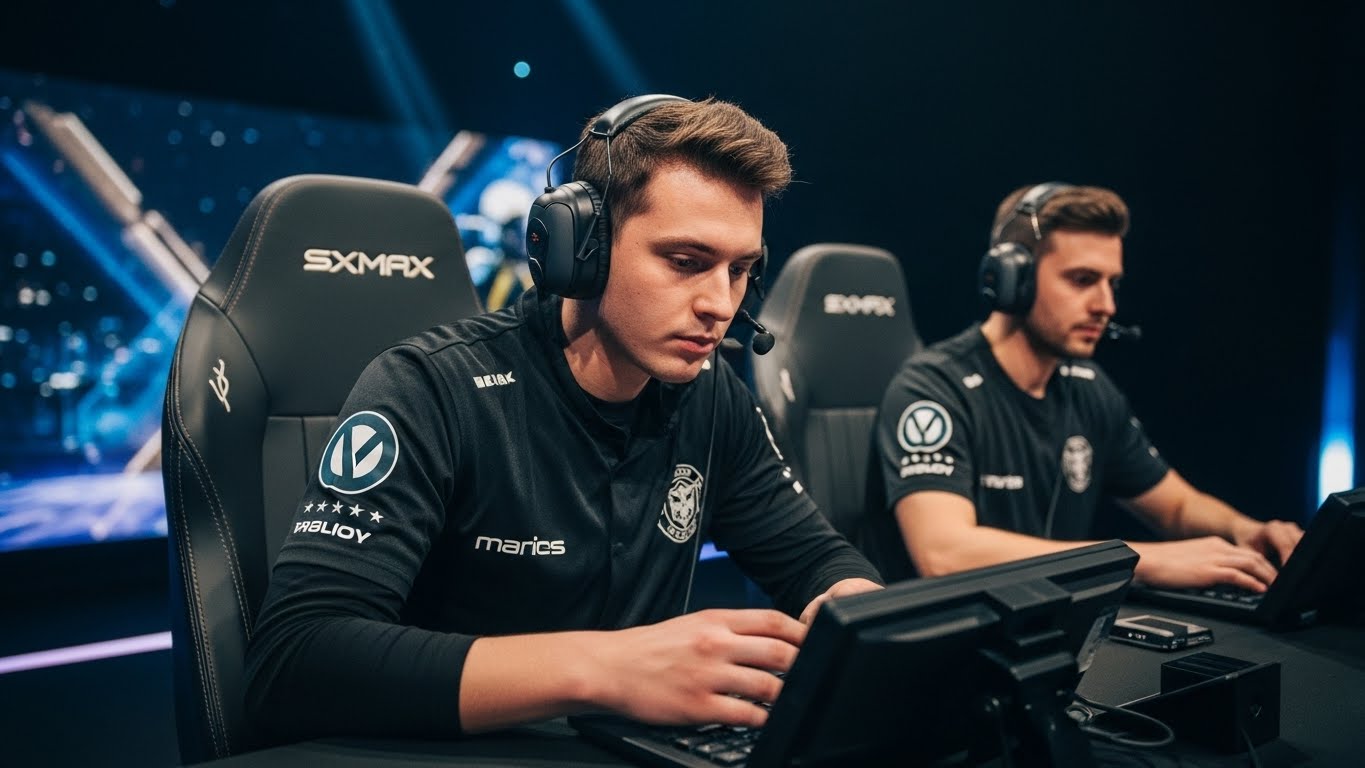
Esports truly began to flourish when gaming shifted from casual competition to professional organization. Game developers started designing titles specifically for competitive play, emphasizing balance, strategy, and spectator appeal. Tournament organizers established leagues with prize pools, rankings, and global championships. Professional esports teams emerged, signing players to contracts and providing training, coaching, and support staff. This professional structure elevated esports from a hobby to a recognized career path, attracting talent from around the world.
The Skills and Discipline Behind Esports Success
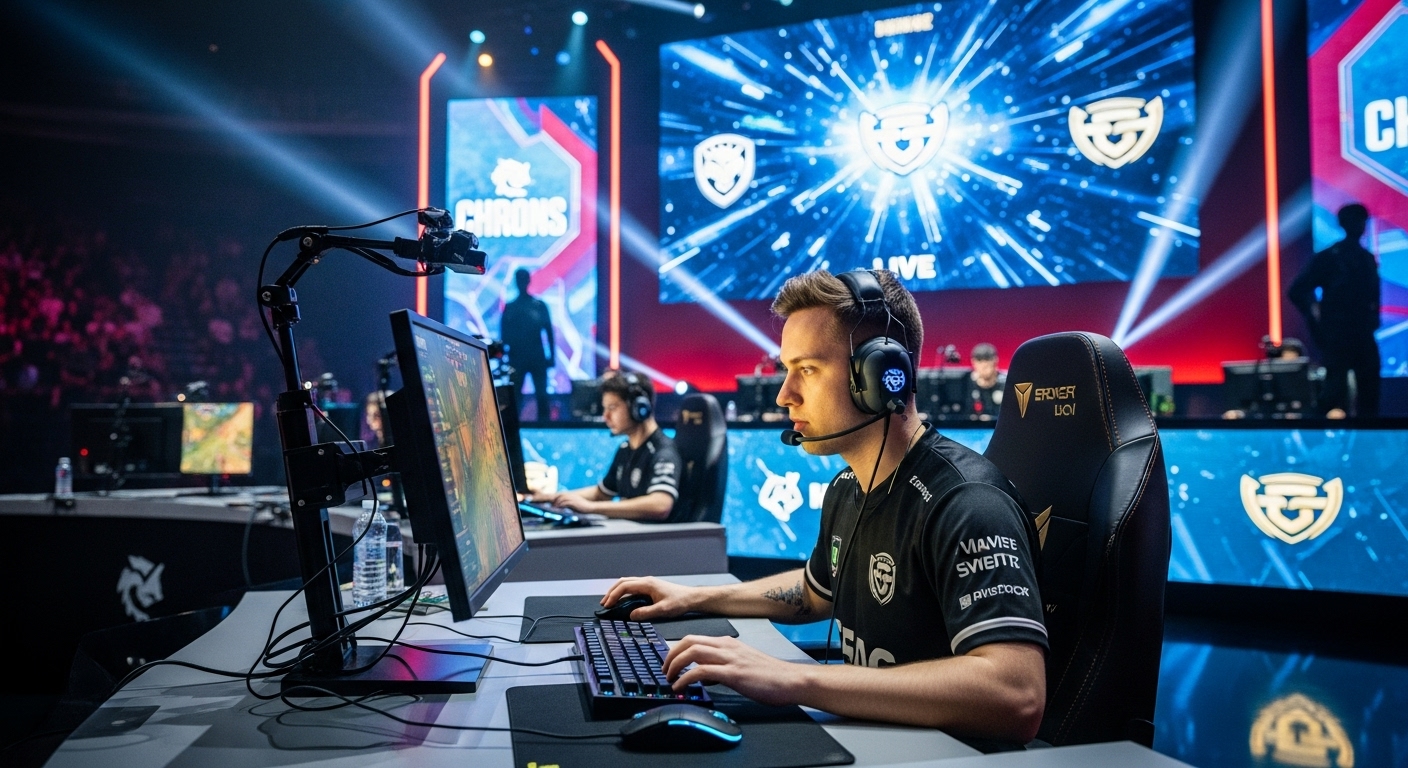
Contrary to common misconceptions, esports requires a high level of skill and discipline. Professional players train for hours each day, refining their mechanics, strategies, and teamwork. Competitive gaming demands quick reflexes, precise coordination, strategic thinking, and strong communication. Mental endurance is equally important, as players must perform under pressure and adapt rapidly to changing situations. Many esports athletes follow structured routines that include physical exercise, mental conditioning, and performance analysis, highlighting the serious nature of competitive gaming.
Esports as a Career Opportunity
Esports has created diverse career opportunities beyond professional play. Coaches, analysts, commentators, event organizers, content creators, and game developers all contribute to the esports ecosystem. Many players transition into these roles after their competitive careers, using their experience to support the next generation. Educational institutions are increasingly recognizing esports by offering programs and scholarships, further legitimizing it as a professional field. This expanding career landscape demonstrates that esports is not a temporary trend but a sustainable industry.
The Role of Streaming and Media Coverage
Streaming and digital media have played a crucial role in the growth of esports. Live broadcasts allow fans to watch matches, follow their favorite teams, and engage with players in real time. Commentary and analysis enhance understanding, making esports accessible even to newcomers. Streaming platforms also allow players to share their gameplay, build personal brands, and connect with fans. This direct interaction between players and audiences has strengthened community engagement and expanded the reach of esports worldwide.
Building Global Communities Through Esports
One of the most powerful aspects of esports is its ability to connect people across borders. Online communities form around games, teams, and tournaments, bringing together individuals from different cultures and backgrounds. Fans discuss strategies, celebrate victories, and support their favorite players through shared experiences. Local tournaments and fan gatherings further strengthen these connections. Esports communities foster collaboration, mutual respect, and a sense of belonging, proving that digital competition can create meaningful social bonds.
Economic Impact of the Esports Industry
The esports industry has grown into a significant economic force. Revenue is generated through sponsorships, advertising, merchandise, event ticket sales, and media rights. Large tournaments attract international attention and investment, contributing to local economies and job creation. Esports organizations employ professionals across various roles, from marketing and production to analytics and management. This economic growth highlights the industry’s stability and its increasing importance in the global entertainment market.
Technology Driving Esports Innovation
Technology lies at the heart of esports development. High-performance gaming hardware, advanced software, and fast internet connections enable smooth and competitive gameplay. Data analytics tools help teams analyze performance and refine strategies. Emerging technologies such as virtual reality and artificial intelligence are beginning to influence training and viewing experiences. As technology continues to evolve, esports will benefit from enhanced realism, accessibility, and innovation, ensuring its continued growth.
Cultural Influence of Esports
Esports has become a cultural phenomenon, shaping trends in entertainment, fashion, and online communication. Professional players are recognized as public figures, inspiring fans and influencing digital culture. International tournaments foster national pride and global recognition. Esports also intersects with music, film, and social media, creating a blended entertainment culture that appeals to younger generations. This cultural influence demonstrates that esports is not just about gaming but about identity and expression in the digital age.
Challenges Facing the Esports World
Despite its success, esports faces several challenges. Player burnout and mental health concerns are common due to intense competition and demanding schedules. Cheating, unfair play, and lack of consistent global regulation threaten competitive integrity. Additionally, misconceptions about gaming persist, affecting acceptance in some societies. Addressing these challenges requires collaboration between developers, organizations, players, and communities to create a healthy and sustainable environment.
Inclusivity and Diversity in Esports
Esports is gradually becoming more inclusive, though progress is ongoing. Efforts are being made to support women and underrepresented groups through dedicated initiatives, mentorship programs, and inclusive policies. Greater diversity enriches competition and broadens the appeal of esports. Creating welcoming spaces and equal opportunities ensures that talent and dedication remain the defining factors of success, regardless of background.
The Future of Esports
The future of esports holds immense potential. As technology advances and global connectivity increases, esports will become even more accessible and immersive. Educational integration, grassroots development, and innovative formats will shape the next generation of players and fans. Esports will continue to redefine competition, blending digital innovation with human skill. Its influence will extend beyond gaming, impacting education, culture, and entertainment worldwide.
Conclusion: Esports as a Modern Competitive Legacy
Esports represents a new chapter in the history of competition. It combines technology, skill, and community to create experiences that resonate with millions. Beyond games, esports offers opportunities for careers, connection, and personal growth. As it continues to evolve, esports challenges traditional definitions of sports and proves that competition in the digital age is just as meaningful and inspiring. The rise of esports is not a passing trend but a lasting transformation that reflects the future of global entertainment and competition.