Introduction
In the last two decades, the world has witnessed a transformation in how entertainment, competition, and community engagement are defined. Esports, or electronic sports, has become one of the fastest-growing phenomena of the modern age. Once seen as a casual pastime, video gaming has evolved into a billion-dollar industry with professional players, massive global tournaments, sponsorships, and audiences that rival traditional sports. This revolution has changed not only how people play games but how society views competition, technology, and even culture itself.
This blog dives deep into the rise of Esports — from its humble beginnings to its status as a global entertainment powerhouse. We’ll explore its history, key milestones, the ecosystem that sustains it, and its immense influence on youth, culture, and technology.
The Origins of Competitive Gaming
The story of Esports begins long before the modern era of high-speed internet and global streaming. In the early 1980s, video game competitions were relatively small-scale, held in arcades or among college students. The first officially recognized gaming competition is often considered to be the Space Invaders Championship organized by Atari in 1980. Thousands of participants competed, marking the first instance of gaming as a public competitive event.
In the decades that followed, games such as Pac-Man, Street Fighter, and Super Mario Bros. created communities of dedicated players who gathered informally to test their skills. By the 1990s, the advancement of home consoles and early internet connections gave birth to a more connected gaming community. PC titles like Doom and Quake introduced the idea of online multiplayer competitions. The foundation for what would become modern Esports was being laid.
The 2000s: The Birth of Organized Esports
The early 2000s marked the formalization of gaming as a legitimate competitive field. Internet cafes, LAN tournaments, and online gaming leagues began to appear across Asia, Europe, and North America. Titles like Counter-Strike, StarCraft, and Warcraft III gained massive followings, particularly in countries like South Korea, where gaming culture grew rapidly.
South Korea became the epicenter of early Esports. Government support, widespread broadband internet, and the emergence of cable TV channels dedicated to gaming made Esports a mainstream phenomenon there. StarCraft: Brood War became the national obsession, producing legendary players who were treated like celebrities. The infrastructure, professionalism, and fan engagement that developed in South Korea during this period would set the standard for the global Esports industry in the years to come.
The Streaming Revolution and Global Expansion
The rise of streaming platforms in the 2010s fundamentally changed the landscape of Esports. Before platforms like Twitch, YouTube, and Facebook Gaming, watching gaming competitions was limited to local events or niche online communities. Streaming removed these barriers, allowing anyone with an internet connection to watch professional matches in real time from anywhere in the world.
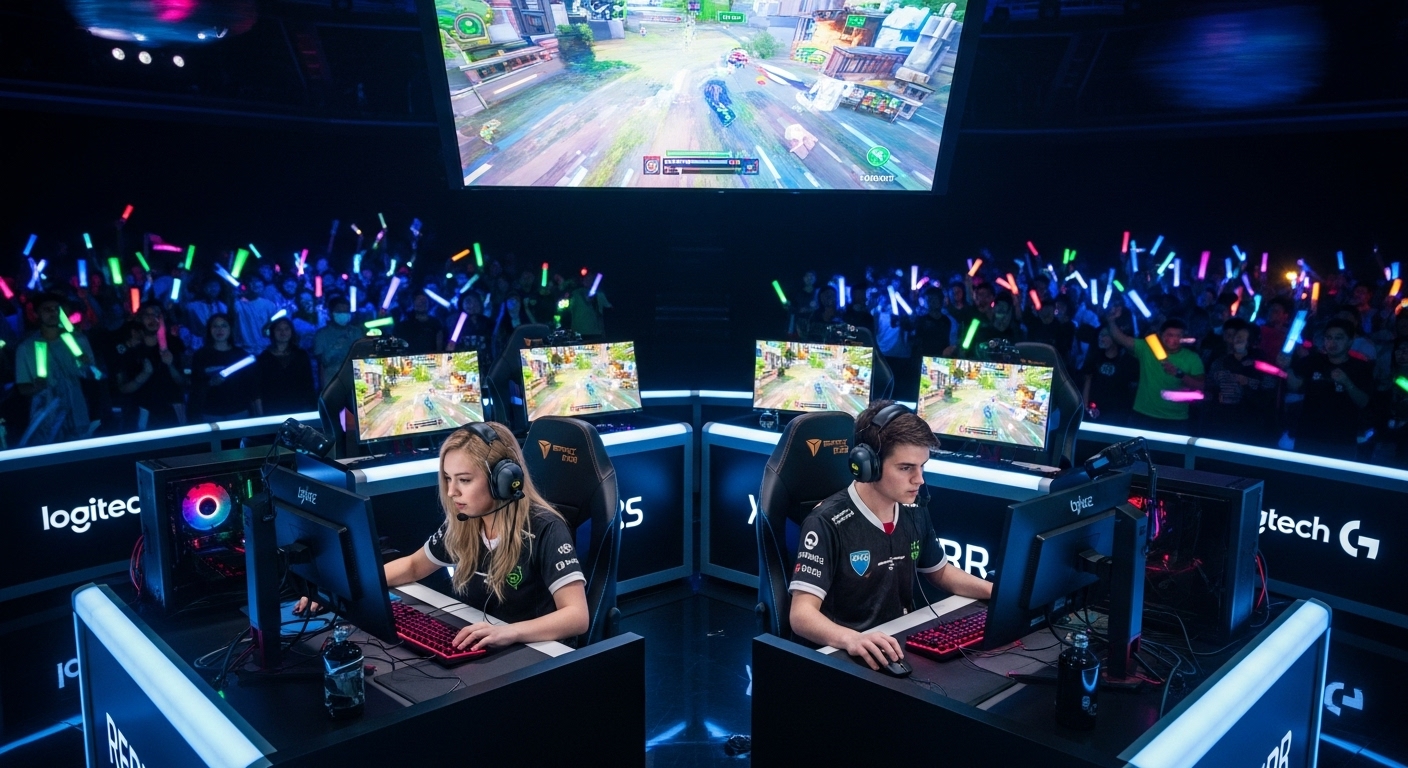
Tournaments for games such as League of Legends, Dota 2, and Counter-Strike: Global Offensive began to draw millions of live viewers. For instance, the League of Legends World Championship in 2019 recorded over 100 million viewers globally, rivaling major sporting events like the Super Bowl. Meanwhile, Dota 2’s The International set records for prize pools, exceeding $40 million thanks to community-funded contributions.
The combination of accessibility, community interaction, and social media amplification helped Esports explode beyond traditional gaming audiences. Players became influencers, teams turned into brands, and fans formed global communities bound by shared passion and digital connection.
The Ecosystem of Esports
Esports is not just about players and games; it’s a complex ecosystem involving multiple stakeholders who together sustain the industry. These include players, teams, tournament organizers, publishers, sponsors, and fans.
Players and Teams
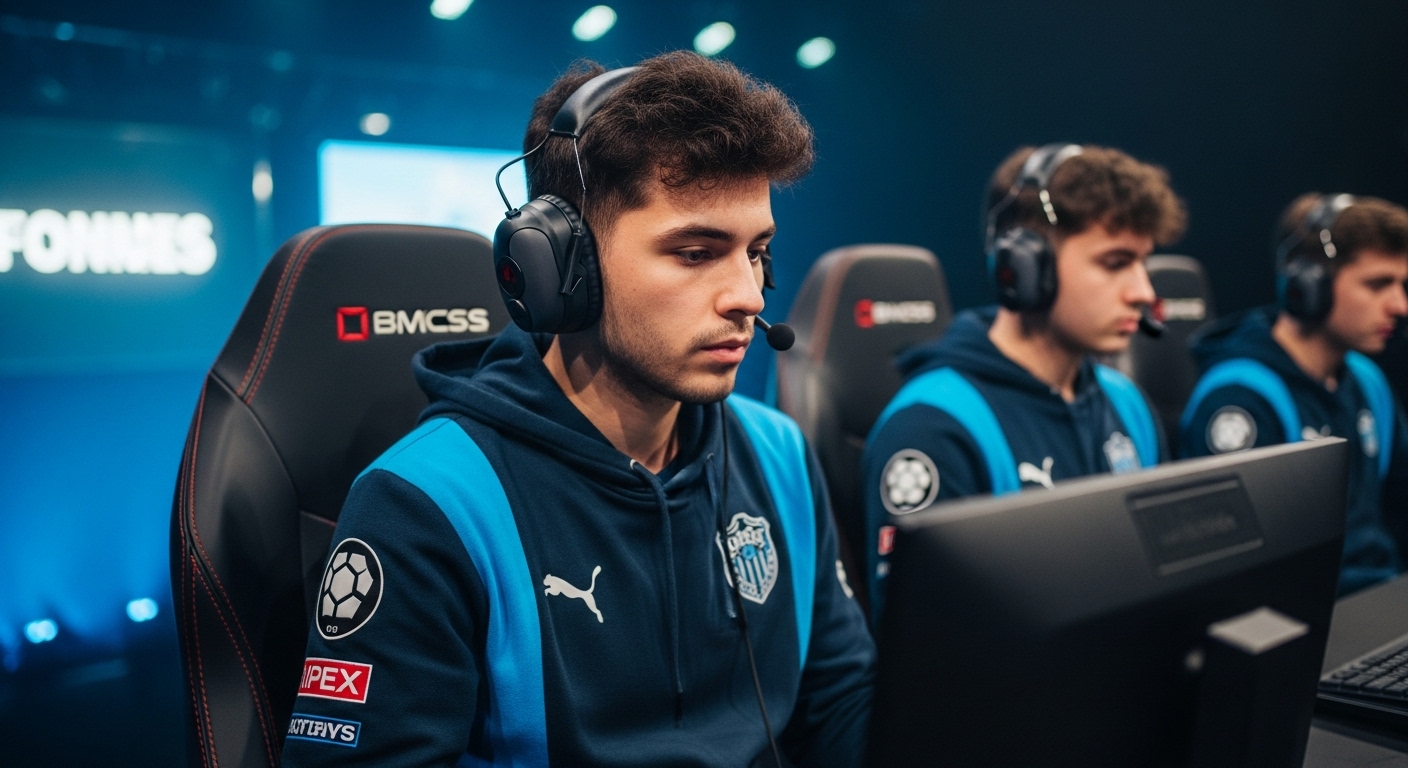
Professional Esports players dedicate years to mastering their craft. Like athletes in physical sports, they undergo rigorous training, studying strategies, improving reflexes, and maintaining discipline. Top-tier players can earn substantial incomes from salaries, sponsorships, streaming, and tournament winnings. Well-known teams such as Team Liquid, Fnatic, T1, and Cloud9 have built global reputations, with fans supporting them across multiple games.
Tournament Organizers
Major organizations such as ESL, DreamHack, and Blast Premier host tournaments across the world. These events not only bring competition to the forefront but also foster community engagement and drive innovation in event production, broadcasting, and digital fan experiences.
Publishers and Developers
Game publishers play a crucial role, as they own the intellectual property that fuels Esports. Companies like Riot Games, Valve, and Activision Blizzard have built ecosystems around their games, offering ongoing support through balance updates, professional leagues, and in-game integration of Esports events.
Sponsors and Investors
Corporate sponsorship has become one of the main financial backbones of Esports. Global brands from various sectors — including technology, energy drinks, apparel, and automotive — have invested heavily in teams and tournaments. For many companies, Esports offers a unique opportunity to reach young, digitally native audiences.
The Cultural Impact of Esports
Esports has transformed global culture in unexpected ways. It’s not merely about gaming; it’s about identity, creativity, and community.
A New Form of Celebrity
Professional Esports players and streamers have become the new icons of youth culture. Figures like Faker, Ninja, and s1mple have millions of followers, commanding influence comparable to traditional sports stars or entertainers. These personalities embody not just skill, but authenticity — connecting with fans through live streams and social media.
Representation and Inclusion
Esports has also played a role in breaking down barriers. It is a meritocratic field where performance, not physical appearance or background, determines success. This inclusivity has allowed diverse participants — from different genders, ethnicities, and regions — to find their place in the spotlight.
Integration with Pop Culture
From collaborations with music artists to appearances in mainstream media, Esports has crossed over into pop culture. Virtual concerts, in-game events, and branded collaborations have become common, reflecting how deeply gaming has embedded itself in modern life.
Esports and Education
In recent years, educational institutions have recognized the academic and developmental value of Esports. Schools and universities around the world have begun offering Esports programs, scholarships, and even degrees related to game design, event management, and digital marketing.
These initiatives aim not only to support aspiring players but also to prepare students for careers within the rapidly expanding industry. Beyond professional competition, Esports fosters teamwork, leadership, communication, and strategic thinking — skills highly valued in the digital economy.
The Business and Economics of Esports
The Esports industry has grown into a global economic force. In 2024, the market was valued at several billion dollars, with projections showing continued expansion. Revenue streams include media rights, sponsorships, advertising, merchandise, ticket sales, and digital goods.
Franchised leagues such as the Overwatch League and Call of Duty League have adopted models similar to traditional sports leagues, with city-based teams and structured seasons. Investors from the world of traditional sports — including NBA and NFL owners — have entered the space, recognizing Esports’ potential as the entertainment of the digital generation.
The rise of mobile Esports, especially in Asia, has also expanded the market. Games like PUBG Mobile, Free Fire, and Mobile Legends have attracted millions of players and viewers, proving that competitive gaming is not limited to PCs or consoles.
Technology and Innovation in Esports
Technology has always been the backbone of Esports. Continuous innovation has driven both gameplay and the viewer experience.
Game Development and AI
Developers utilize artificial intelligence for player matchmaking, performance analytics, and anti-cheat systems. Machine learning helps refine player experiences and maintain fairness in competition.
Virtual Reality and Augmented Reality
Emerging technologies like VR and AR promise to take Esports into new dimensions. Virtual environments could allow fans to step directly into arenas or interact with players in immersive settings.
Broadcasting and Data Analytics
Esports broadcasting has become a highly advanced field, using real-time data overlays, instant replays, and interactive features to engage viewers. Analytics also help teams analyze strategies, improve player performance, and predict outcomes.
Challenges Facing the Esports Industry
Despite its success, Esports faces several challenges that must be addressed for sustainable growth.
Player Welfare
Intense competition, long practice hours, and constant travel can take a toll on players’ mental and physical health. Issues like burnout and stress are increasingly recognized, leading to calls for better support systems and work-life balance.
Regulation and Integrity
Because Esports spans multiple countries and organizations, there’s often a lack of standardized regulation. Concerns around match-fixing, cheating, and betting have emerged, prompting the creation of governing bodies to ensure fairness and transparency.
Monetization and Sustainability
While Esports generates massive viewership, monetizing that audience remains complex. Unlike traditional sports with established broadcasting deals, Esports revenue relies heavily on sponsorships and in-game purchases. Ensuring long-term financial stability is an ongoing challenge.
Esports and Traditional Sports: A New Relationship
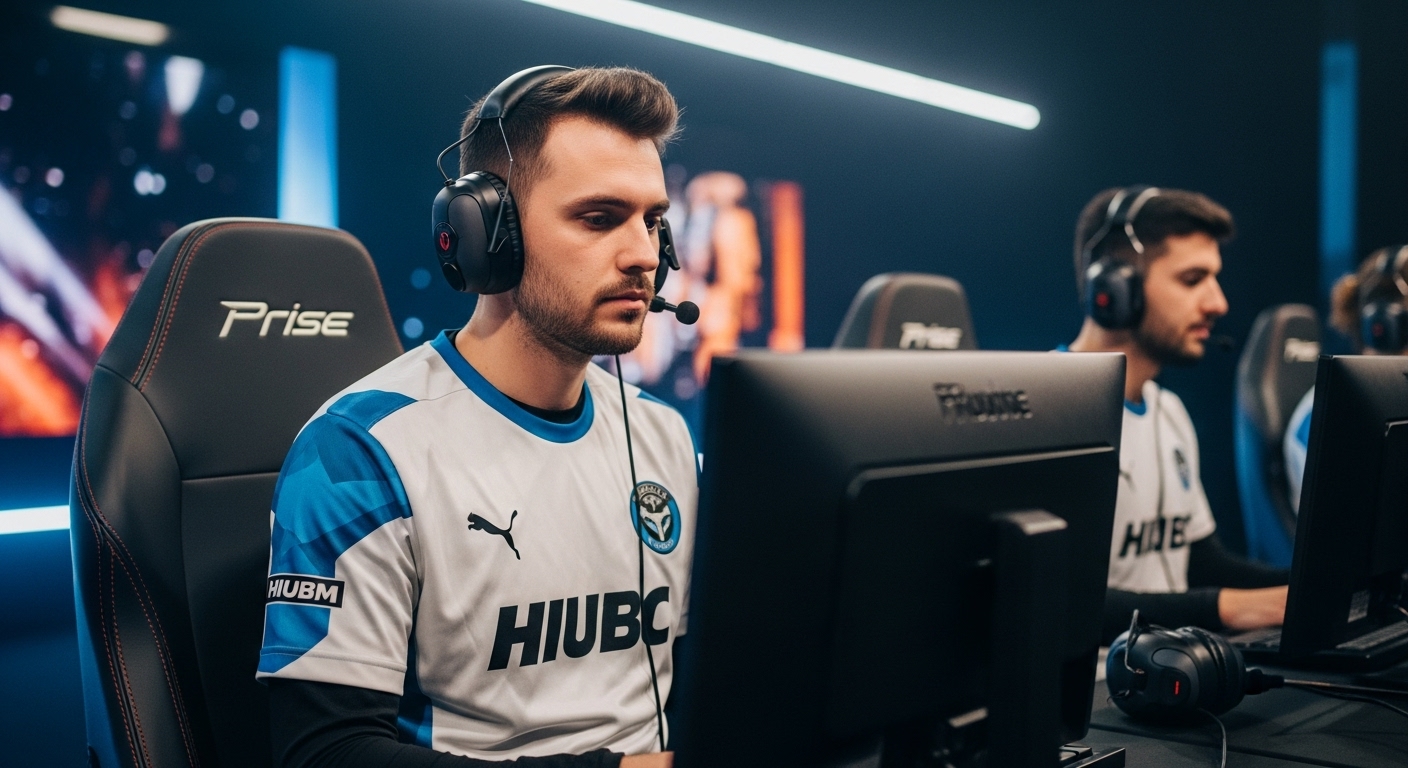
Initially seen as rivals, Esports and traditional sports have increasingly found common ground. Many sports franchises now invest in Esports teams, seeing them as an extension of their brand into the digital world. For example, football clubs, basketball organizations, and even Formula 1 have launched official Esports divisions.
Esports has also influenced how traditional sports engage audiences. Features such as interactive viewing, digital fan rewards, and live streaming have been adopted from gaming culture. Conversely, Esports borrows elements of sports professionalism, including structured training regimens and coaching.
The Future of Esports
As technology advances and audiences evolve, the future of Esports appears limitless. The next decade will likely see even greater integration between Esports, entertainment, and emerging technologies.
Global Expansion
Markets in South America, Africa, and the Middle East are rapidly growing, with governments and private organizations investing in infrastructure and talent development. This global spread will make Esports even more diverse and inclusive.
Esports in the Metaverse
The concept of the metaverse — a shared, immersive virtual world — could redefine Esports entirely. Players and fans might soon interact in persistent digital spaces, where tournaments happen in fully immersive environments.
Youth Empowerment
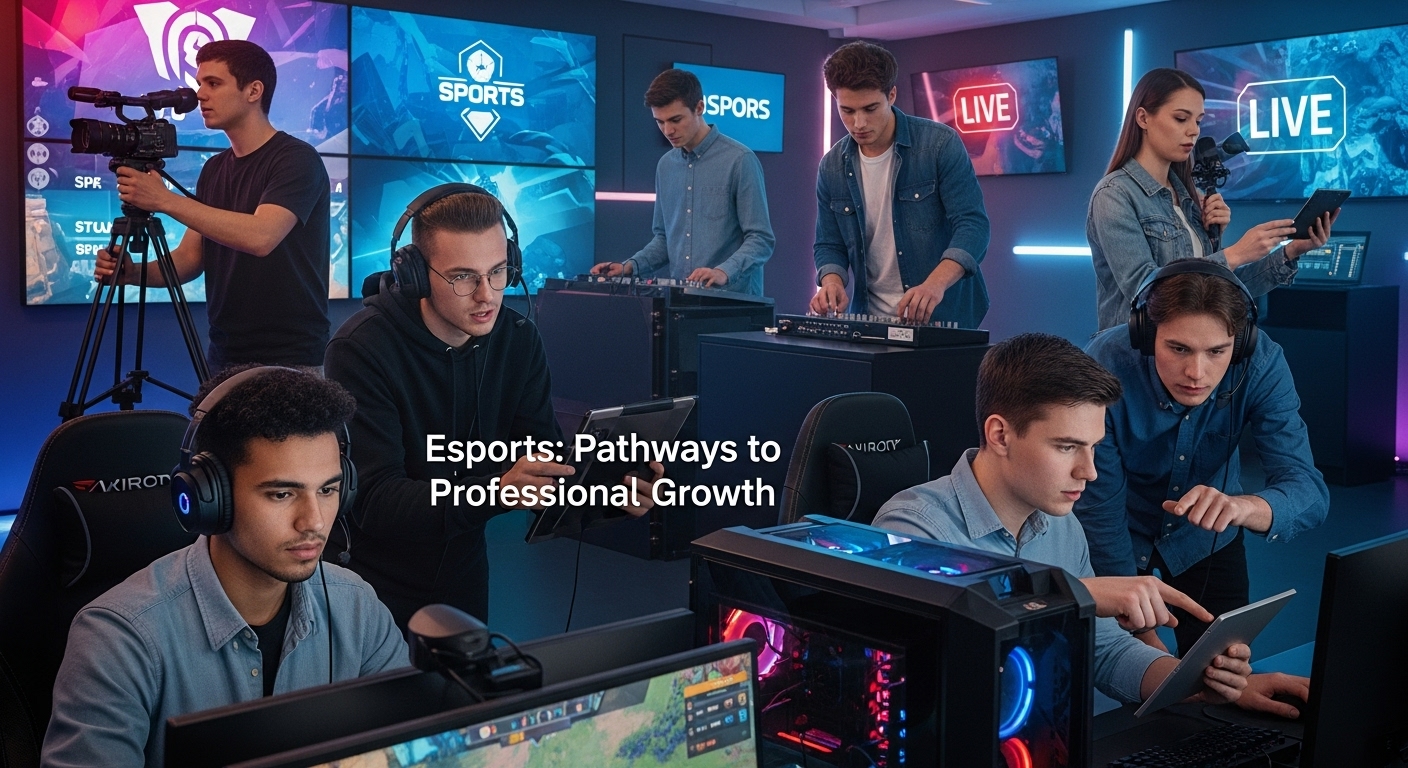
Esports offers young people opportunities for careers, creativity, and community. Whether as players, creators, analysts, or developers, the industry empowers a generation to turn passion into profession.
Conclusion
From dimly lit arcades of the 1980s to sold-out stadiums and online audiences of millions, Esports has redefined what competition means in the digital age. It has become a cultural, economic, and technological force — bridging generations, nations, and industries.
More than just gaming, Esports represents human creativity, ambition, and the endless pursuit of excellence. It stands as a testament to how far technology and imagination can take us when passion meets purpose. The Esports revolution is not a fleeting trend; it’s the evolution of sports for a new era — a global celebration of skill, strategy, and digital unity.