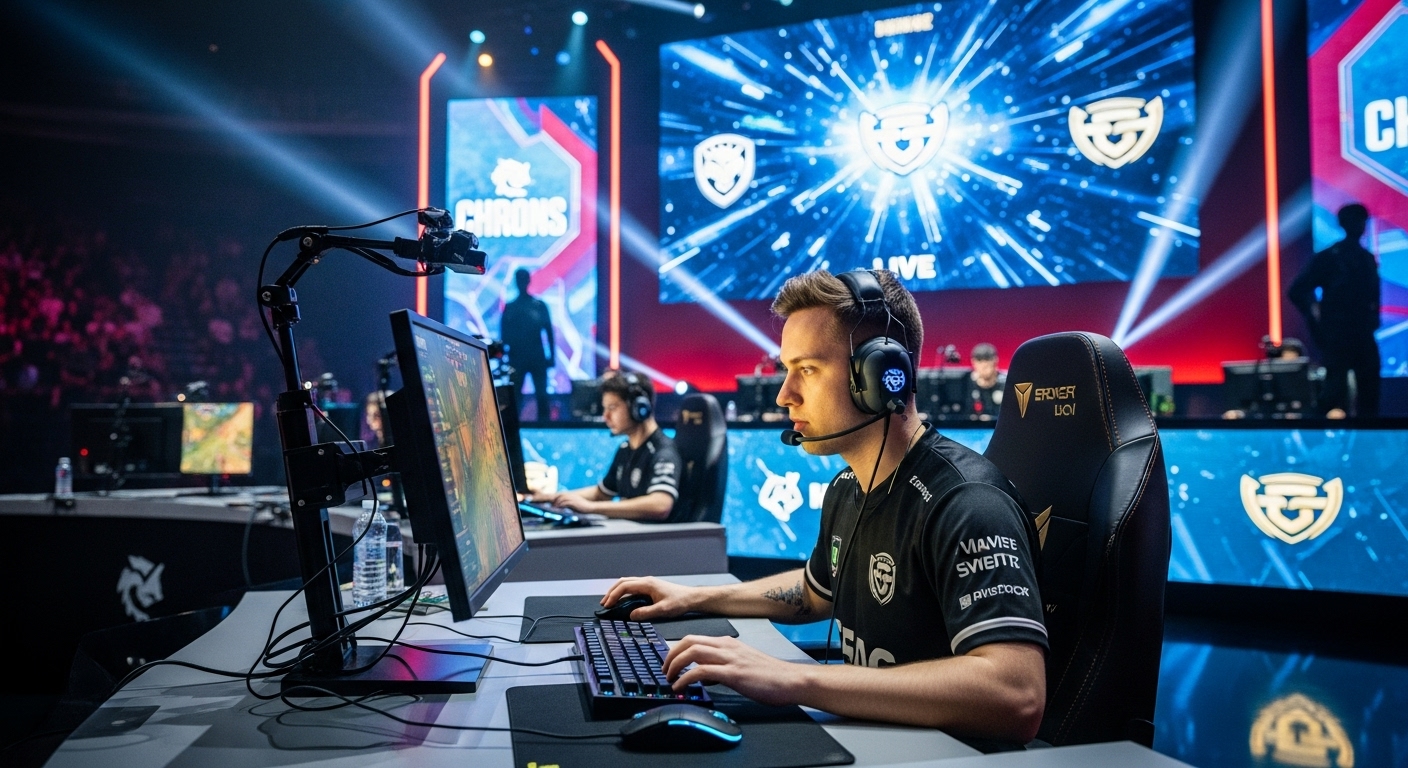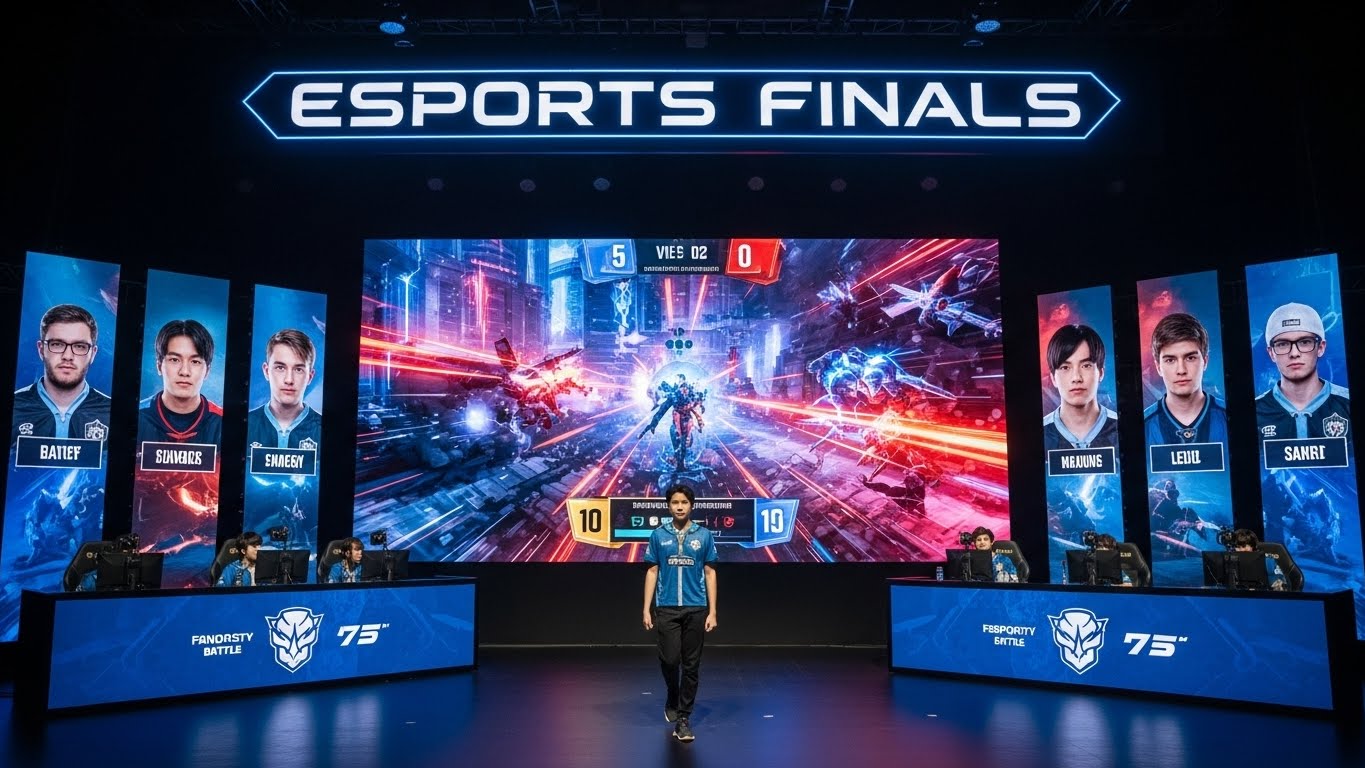
Esports has come a long way in the past two decades, evolving from a niche activity enjoyed by a small group of gamers to a global entertainment phenomenon. Today, it is a multibillion-dollar industry that attracts millions of viewers, players, and sponsors, with professional tournaments held around the world. Esports has transformed the way we think about gaming, competition, and even sports themselves. But how did we get here, and what is driving the growth of esports?
In this blog post, we will explore the rise of esports, its cultural significance, the role of technology, and the future of this ever-expanding industry. Whether you’re a seasoned esports fan, a casual gamer, or someone who’s just curious about the world of competitive gaming, this article will provide a comprehensive overview of what makes esports such a captivating and influential force in the world of entertainment.
What Is Esports?
Esports, short for “electronic sports,” refers to competitive video gaming where players or teams compete against each other in organized tournaments or leagues. These competitions are often held in a professional setting and are broadcast live on various platforms, such as Twitch, YouTube, and other streaming services. The games played in esports tournaments span a wide range of genres, from real-time strategy (RTS) games and first-person shooters (FPS) to multiplayer online battle arenas (MOBAs) and sports simulations.
What sets esports apart from casual gaming is the level of competition and the stakes involved. Professional esports players train for hours each day, honing their skills, developing strategies, and competing for significant cash prizes, sponsorships, and fame. Esports tournaments can fill massive arenas with thousands of fans, while millions more tune in from home to watch the action unfold.
The Early Days of Esports: From LAN Parties to Professional Tournaments
Esports didn’t begin as the global spectacle it is today. Its roots can be traced back to the early days of competitive gaming, when the internet was in its infancy and gaming was mostly a solitary activity. The concept of “electronic sports” first emerged in the 1990s, when gamers began organizing local competitions, often referred to as “LAN parties.”
LAN Parties and Local Competitions
A LAN (Local Area Network) party was a gathering of friends or strangers who would bring their computers to a single location and connect them to a local network. These events allowed players to compete in multiplayer games in real time, creating a competitive environment that was unlike anything seen before. Popular games like Quake, StarCraft, and Warcraft became staples at these LAN parties, and the first seeds of esports were planted.
While these early LAN parties were informal and relatively small in scale, they provided the foundation for the competitive gaming scene that would eventually take off on a global scale. It was at these grassroots events that players learned the value of teamwork, strategy, and competitive spirit—values that would later define professional esports.
The Birth of Major Tournaments
By the late 1990s and early 2000s, esports began to evolve from local competitions into large-scale, organized tournaments. The first major esports tournaments were often tied to specific games or franchises. In 1997, the Red Annihilation tournament for the game Quake made headlines, with a grand prize that included a Ferrari. This marked one of the first instances where competitive gaming was taken seriously on a professional level.
In the early 2000s, other tournaments began to emerge, such as the World Cyber Games (WCG) in 2000 and the Electronic Sports World Cup (ESWC) in 2003. These international tournaments allowed top players from around the world to compete for large prizes and recognition. The rise of online gaming platforms, like Blizzard’s Battle.net and Valve’s Steam, helped create a global community of competitive players who could connect and compete without needing to be in the same physical location.
The Mainstreaming of Esports: From Hobby to Global Industry
As gaming technology continued to advance and internet speeds improved, esports gained a larger audience and more media attention. It wasn’t long before the industry began to attract major investors, sponsors, and even traditional sports organizations.
The Role of Streaming Platforms
One of the most significant factors contributing to the rise of esports has been the growth of online streaming platforms. Twitch, launched in 2011, quickly became the go-to platform for watching live esports events. Its user-friendly interface and integration with popular games helped foster a massive community of esports fans, streamers, and players. On Twitch, viewers could watch top-tier players competing in real-time, and chat with others who shared their passion for gaming.
The accessibility of streaming platforms like Twitch has democratized esports viewership, making it possible for anyone with an internet connection to watch professional tournaments or even follow their favorite players. This shift has helped esports gain legitimacy as a form of entertainment on par with traditional sports. As more people tuned in, advertisers and sponsors took notice, and esports began attracting major brands looking to tap into a young, tech-savvy demographic.
Sponsorships and Prize Pools
As esports grew in popularity, it became increasingly commercialized. Big-name sponsors such as Coca-Cola, Intel, and Red Bull began pouring money into the industry, helping to fund tournaments, teams, and events. In turn, the prize pools for major tournaments skyrocketed, with some events offering millions of dollars in prizes. The International, a Dota 2 tournament organized by Valve, became the poster child for this trend. In 2018, the prize pool for The International 8 reached a staggering $25 million, making it the largest esports prize pool in history at the time.
These massive prize pools, combined with sponsorships, created a financially viable ecosystem for esports players. Professional players could now earn a living through tournament winnings, streaming, and sponsorship deals. The influx of money also led to the rise of esports organizations, many of which fielded teams for popular games like League of Legends, Counter-Strike: Global Offensive, Overwatch, and Fortnite.
Esports as a Career: Professional Players and Teams
One of the most significant aspects of the esports industry is the rise of professional players and teams. Just as traditional sports have professional leagues for football, basketball, and soccer, esports now has its own roster of top-tier players, teams, and leagues.
Professional Players: From Hobbyist to Pro
Becoming a professional esports player requires a combination of skill, dedication, and perseverance. Unlike traditional sports, where athletes may train for years at a young age to develop their skills, many professional gamers start their careers later, often in their teens or early twenties. The majority of professional esports players have a deep passion for the games they play, often spending several hours a day practicing, strategizing, and competing.
The journey to becoming a professional player typically begins with competing in amateur tournaments or online leagues. As players improve their skills and gain recognition, they may be recruited by esports organizations or offered sponsorship deals. The life of a professional player involves intense practice schedules, travel to tournaments, and regular interaction with fans through streaming platforms and social media.
Esports Teams and Leagues
Just as in traditional sports, professional esports players often belong to teams that compete in various tournaments and leagues. These teams are managed by esports organizations, which provide players with salaries, training facilities, coaching, and sponsorships. Some of the most prominent esports organizations include Team Liquid, Cloud9, FaZe Clan, and Team SoloMid.
Esports leagues, such as the League of Legends Championship Series (LCS), Overwatch League (OWL), and Call of Duty League (CDL), provide a structured, professional environment for teams to compete in. These leagues often feature regular season play, culminating in playoff tournaments where the top teams battle for championships and massive prize pools. These events are broadcast live, and teams garner large fanbases that support them through merchandise sales, sponsorships, and social media engagement.
The Cultural Impact of Esports: A New Era of Entertainment
Esports has had a profound impact on popular culture, reshaping the way people view gaming and competition. It’s not just about playing games anymore; it’s about being a part of a global community, cheering for your favorite teams and players, and participating in the digital revolution.
Esports and Traditional Sports
Esports has drawn comparisons to traditional sports for several reasons. Both involve high levels of skill, teamwork, strategy, and physical endurance (in the case of esports, this endurance is mental rather than physical). Esports athletes must have lightning-fast reflexes, exceptional hand-eye coordination, and the ability to make split-second decisions under pressure. Many esports events, such as The International and the League of Legends World Championship, are broadcast live in stadiums with thousands of screaming fans—similar to traditional sports events.
Furthermore, traditional sports organizations have begun to take esports seriously. In recent years, there has been a growing trend of traditional sports franchises, like the NBA, NFL, and soccer clubs, investing in esports teams or leagues. This crossover has helped further legitimize esports as a major form of entertainment.
The Role of Fans and Community
The fanbase of esports is one of the driving forces behind its success. Esports fans are incredibly passionate, and they engage with the games, players, and teams in ways that go beyond just watching tournaments. Fans participate in online forums, create fan art, and engage with players through social media platforms. The rise of esports has given gamers and fans a sense of community, where they can connect with others who share their passion.
Esports has also become a social activity. Fans gather to watch live streams of tournaments, attend live events, and even participate in local competitions. Platforms like Twitch have revolutionized the way fans interact with players, allowing them to watch their