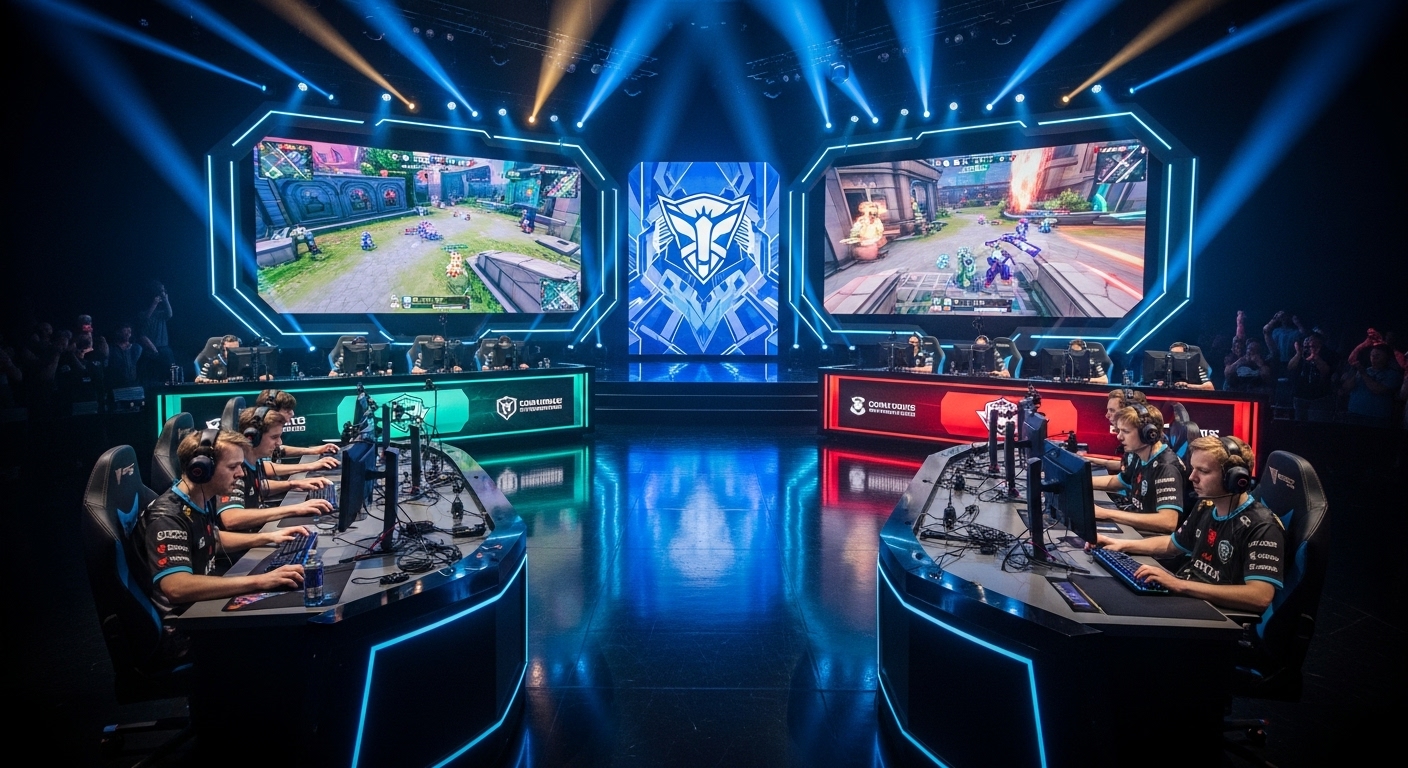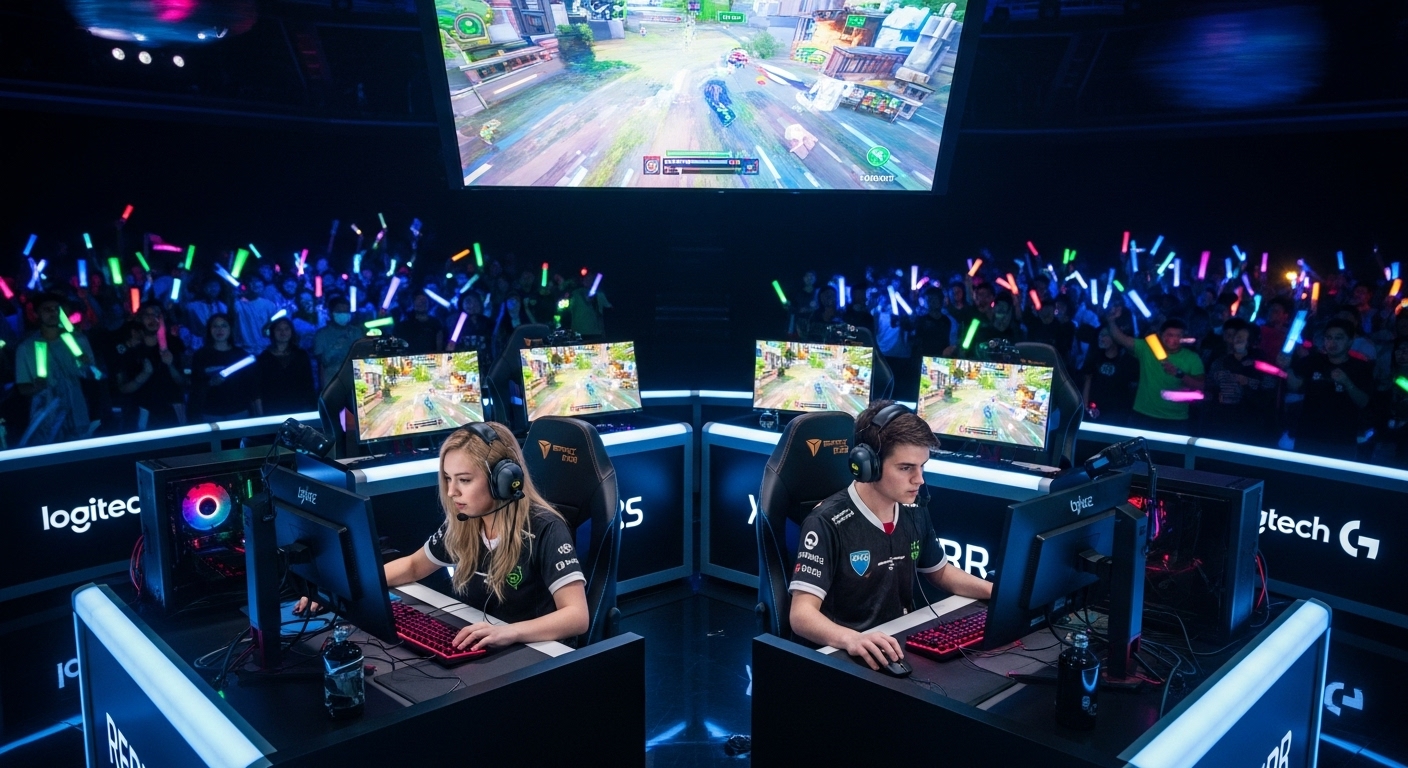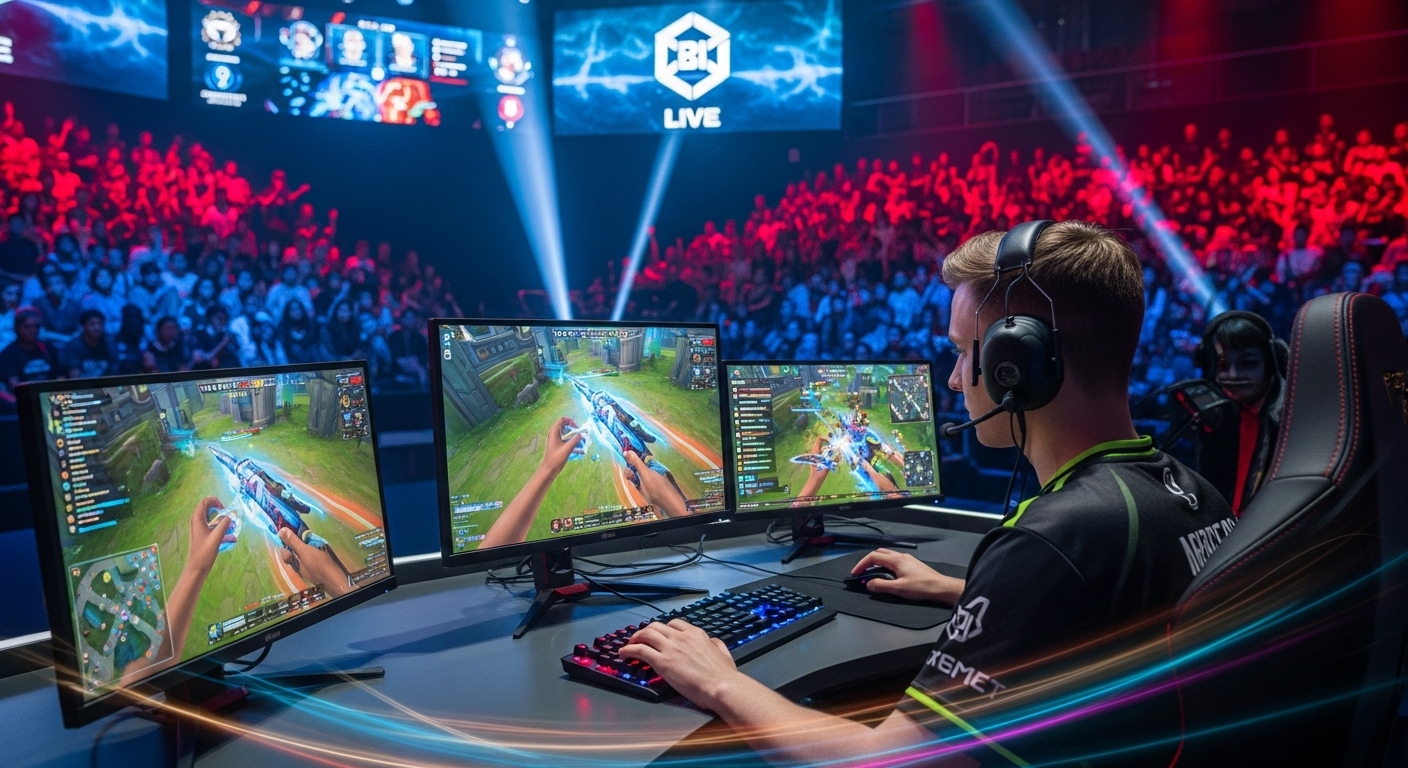
In the last two decades, esports has transformed from a niche pastime into a global cultural and economic phenomenon. Once considered a subculture reserved for dedicated gamers, competitive video gaming has evolved into a billion-dollar industry that rivals traditional sports in viewership, sponsorship, and prestige. The rise of esports is not merely a story about games but about technology, community, and the redefinition of competition in the digital age.
The Origins of Competitive Gaming
The story of esports begins in the late 20th century, long before streaming platforms or gaming arenas. In 1972, Stanford University hosted what many consider the first recorded video game competition, where students played Spacewar! for a small prize. During the 1980s, arcade games like Pac-Man and Donkey Kong brought competition into public spaces, inspiring gamers to achieve high scores and etch their initials into digital leaderboards.
By the 1990s, personal computers and gaming consoles became more widespread, leading to organized tournaments in games like Street Fighter II and Quake. The competitive gaming scene was still small, but it laid the foundation for what would soon become a massive global industry. The emergence of the internet revolutionized everything. Players could now compete without being in the same room, and the first online tournaments introduced the world to a new form of connectivity.
The Explosion of Esports in the 2000s
The early 2000s marked the birth of modern esports. Broadband internet allowed multiplayer gaming to flourish, and titles such as Counter-Strike, Warcraft III, and StarCraft became the battlegrounds of choice. South Korea, in particular, became a hub for competitive gaming, creating dedicated television channels for esports and professionalizing gaming to a level unseen anywhere else. Players like Lim “BoxeR” Yo-hwan became celebrities, inspiring a new generation of competitors.
Western countries soon followed. Organizations began to form leagues and circuits, and game developers noticed the potential. Valve’s Counter-Strike tournaments, Blizzard’s StarCraft World Championships, and Riot Games’ League of Legends all contributed to the growing legitimacy of esports. As spectatorship grew, companies started to invest in infrastructure, teams, and events.
The Rise of Streaming and the New Era of Esports
While esports was already growing, the rise of streaming platforms in the 2010s ignited a new explosion of interest. Platforms like Twitch and YouTube Gaming allowed millions of fans to watch tournaments live, follow their favorite players, and engage in chat communities. Unlike traditional sports broadcasting, streaming provided an interactive and global experience.
Players were no longer just competitors; they became entertainers and influencers. A talented player with charisma could build a following of millions, earning income through sponsorships, donations, and ad revenue. This new model blurred the lines between competition and entertainment, creating a hybrid industry powered by both skill and personality.
As streaming technology improved, so did the quality of esports events. High-definition broadcasts, professional commentators, instant replays, and elaborate stage setups made esports tournaments feel like the Super Bowl of gaming. Massive events like The International (for Dota 2) and the League of Legends World Championship began filling stadiums with tens of thousands of fans and attracting millions more online.
The Business of Esports
Behind the screens, esports has become a significant economic force. Revenue streams include sponsorships, advertising, media rights, merchandise, and ticket sales. Brands from every industry—technology, automotive, fashion, and even food and beverage—have entered the esports arena to reach the coveted youth demographic.
Professional esports organizations now resemble traditional sports franchises. They manage teams, hire coaches, employ analysts, and build training facilities. Some even provide housing and mental health support for their players. Major organizations like Team Liquid, Fnatic, and Cloud9 have established themselves as international brands.
Prize pools have also skyrocketed. The International 2019 offered a staggering prize pool exceeding 30 million dollars, surpassing many traditional sports tournaments. This level of financial reward has elevated esports into a legitimate career path for thousands of players around the world.
The Global Reach and Cultural Impact
One of the most remarkable aspects of esports is its universal appeal. It transcends language, geography, and social boundaries. Players from every continent compete on the same virtual battlegrounds, representing not just themselves but often their nations.
Esports has become a source of national pride in countries like South Korea, China, and the United States. Universities now offer esports scholarships, and governments in several nations have recognized esports athletes as professionals, allowing them to travel and compete internationally.
Moreover, esports has influenced popular culture in significant ways. Fashion brands collaborate with gaming companies, music artists perform during esports tournaments, and movies and television shows reference gaming more than ever before. Esports has become a cultural movement that bridges generations and communities.
The Science Behind Success in Esports
Behind every professional gamer lies an intense regimen of practice, analysis, and teamwork. Contrary to stereotypes, top esports players follow strict schedules similar to athletes in physical sports. Training includes reflex drills, strategic planning, scrimmages, and mental conditioning.
Reaction time, hand-eye coordination, and split-second decision-making are critical skills. Many teams employ psychologists and nutritionists to maintain mental focus and physical health. Data analysis also plays a huge role—teams study opponents’ playstyles using replays and advanced analytics to gain competitive advantages.
In this sense, esports is as much a science as it is an art. Success depends not only on individual talent but also on cooperation, adaptability, and emotional control.
The Esports Ecosystem: Developers, Players, and Fans
The esports ecosystem thrives on a delicate balance between game developers, professional players, organizations, and fans. Developers play a central role by designing balanced, competitive games and providing tools for tournament play. Popular esports titles like League of Legends, Valorant, Overwatch, and Fortnite are supported by constant updates and community engagement.
Players and teams form the heart of the ecosystem. Their dedication, skill, and charisma fuel the entertainment value of esports. But the fans are what make esports truly special. Unlike traditional sports audiences, esports fans interact directly with players through social media and live streams. This connection fosters a sense of community and belonging that transcends physical boundaries.
Esports and Education
In recent years, educational institutions have begun to recognize the academic potential of esports. High schools and universities across the globe have introduced esports programs to teach teamwork, communication, leadership, and digital literacy.
Collegiate esports leagues now offer scholarships, and some institutions treat esports as seriously as traditional athletics. Beyond competition, esports education also explores game design, marketing, event management, and broadcasting, creating opportunities for students to build careers in the rapidly growing gaming industry.
Challenges Facing the Esports Industry
Despite its rapid rise, esports faces challenges that need addressing. Player burnout is a major issue due to intense practice schedules and mental stress. Many professional gamers retire in their mid-20s, far earlier than athletes in most traditional sports.
Another concern is maintaining competitive integrity. Issues such as cheating, match-fixing, and doping have occasionally surfaced, prompting the need for stricter regulations and standardized rules. Additionally, the esports industry struggles with ensuring fair wages and stable contracts for players, especially in smaller organizations.
Gender representation is another topic gaining attention. While female gamers make up a large portion of the gaming community, professional esports remains male-dominated. Efforts are being made to create more inclusive spaces, promote diversity, and support women in competitive gaming.
The Future of Esports
Looking ahead, esports shows no signs of slowing down. Technological advancements like virtual reality, augmented reality, and artificial intelligence will likely redefine the experience of both players and viewers. Virtual arenas and holographic events could soon become the norm, blending physical and digital experiences seamlessly.
Traditional sports organizations are also integrating with esports. Football clubs, basketball teams, and even Formula One have created esports divisions, bridging two worlds that once seemed separate. As 5G and cloud gaming technology expand, esports will become even more accessible, allowing anyone with a device and internet connection to participate.
The rise of mobile gaming has also broadened the scope of esports. Games like PUBG Mobile and Mobile Legends have brought competitive gaming to regions where high-end PCs are less common, proving that esports is not limited by hardware but driven by community and creativity.
Conclusion: The Age of Digital Athletes
Esports is more than just a trend; it represents a fundamental shift in how we define sports, competition, and entertainment. It has transformed pixels into passion, virtual battles into global spectacles, and gamers into professional athletes.
In an era where technology connects every corner of the world, esports stands as a symbol of unity and progress. It combines creativity, skill, and innovation, reminding us that the future of competition lies not just in physical arenas but in the limitless possibilities of the digital realm.
As the digital arena continues to expand, one thing is certain—the spirit of competition has found a new home, and its name is esports.