Introduction: A New Era of Competitive Entertainment
Esports, short for electronic sports, has evolved from a niche hobby into a global phenomenon that rivals traditional sports in viewership, professionalism and cultural influence. Once limited to small LAN events and internet cafés, competitive gaming now fills stadiums, attracts multimillion-dollar sponsorships and inspires young people to pursue careers in a field once dismissed as “just playing games.” This blog explores how esports rose to prominence, what drives its massive success and why it continues to reshape entertainment worldwide.
The Roots of Esports: From Humble Beginnings to Mainstream Recognition
The origins of esports can be traced back to early arcade competitions and computer gaming in the late twentieth century. Games like Space Invaders and later titles on PC laid the groundwork for competitive play. But the real shift began when multiplayer online games emerged, allowing players not only to compete against their friends but against anyone across the globe.
The early 2000s witnessed small but passionate communities forming around games such as StarCraft, Counter-Strike and Warcraft III. While these competitions lacked the large arenas and high production values seen today, they established the foundation for organized play, team structures and fan engagement. Professional leagues slowly began to form, and tournament organizers recognized the potential of creating structured, scheduled events.
The Explosion of Streaming and Its Impact on Esports Growth
The rise of streaming technology marked one of the most important turning points in esports history. Live broadcasting platforms transformed the way people consumed gaming content. Instead of waiting for highlight clips or attending live events, fans could now watch tournaments from anywhere, engaging with the game, the players and the community in real time.
Streaming also helped professional players build personal brands. Viewers became emotionally connected not only to teams but to individual personalities, creating a deeper sense of loyalty and engagement. This accessibility broadened the audience and made esports more inclusive, drawing in casual viewers who simply enjoyed the entertainment value.
The Business Behind Esports: A Thriving Global Industry
Esports is no longer just a pastime; it is a rapidly growing industry with complex revenue streams. From team sponsorships to media rights and merchandise, the business side of esports mirrors traditional sports. Major companies across technology, apparel, energy drinks and automotive sectors have entered the scene, recognizing the marketing potential of reaching a younger, tech-savvy audience.
Teams now operate as professional organizations with coaches, analysts, managers and support staff. Players sign contracts, negotiate salaries and endorse products, making the ecosystem more structured and sustainable. Prize pools for major tournaments have reached extraordinary numbers, and game publishers continue to invest heavily in competitive scenes to boost their titles’ longevity.
The Evolution of Professional Players: More Than Just Gamers
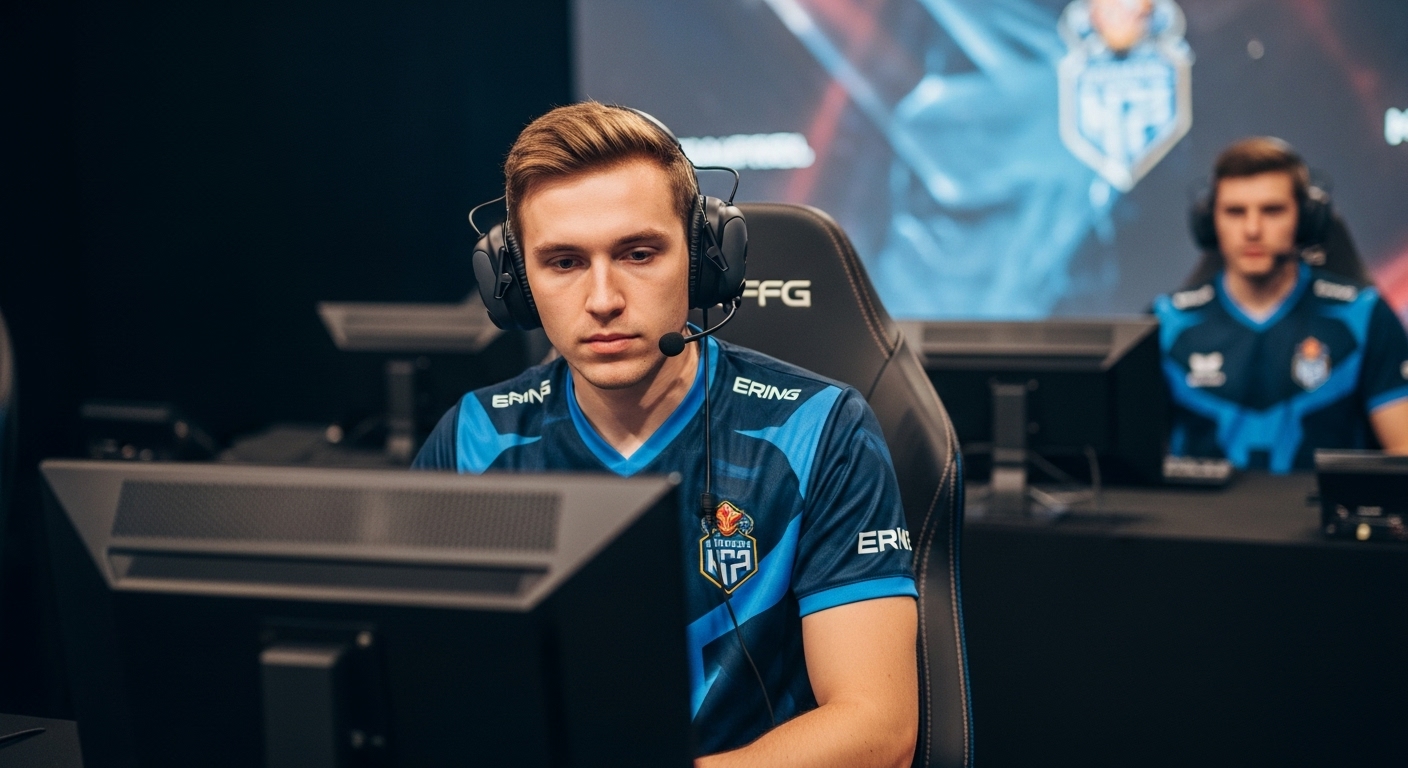
Professional esports athletes undergo rigorous training regimens that rival those of athletes in traditional sports. They participate in daily practice sessions, analyze gameplay footage, maintain physical fitness and work closely with psychologists to strengthen focus and mental resilience. Reaction times, decision-making skills and strategic thinking are crucial elements of competitive success.
The lifestyle is demanding. Players must manage stress, maintain peak performance under pressure and stay updated on constantly evolving game mechanics. However, for many, the reward outweighs the challenge. They gain fame, opportunities and a chance to compete on some of the biggest stages in digital entertainment.
Large-Scale Tournaments: The Spectacle of Digital Competition
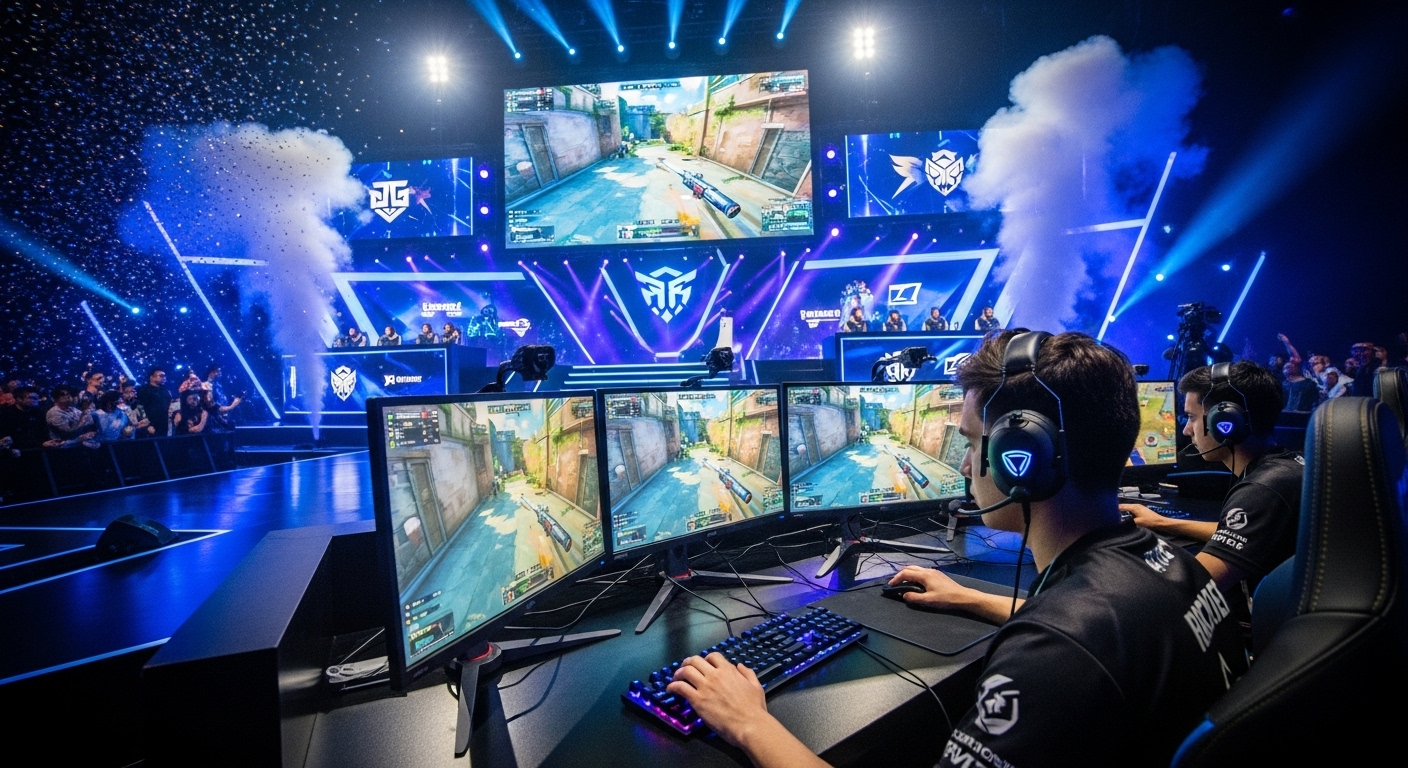
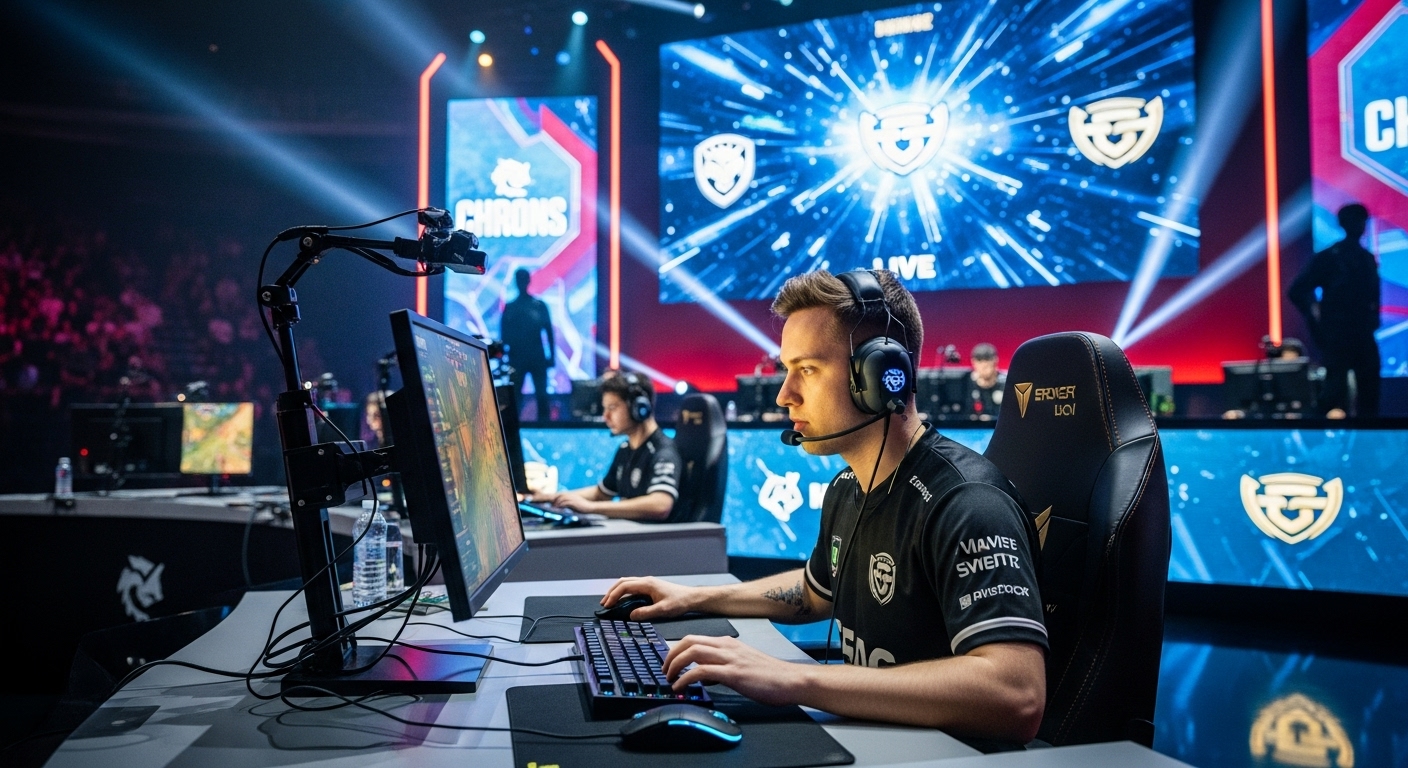
Major esports tournaments have become cultural events in their own right. These competitions combine the excitement of high-stakes gameplay with theatrical production, energetic crowds and global broadcast coverage. Each event features elaborate lighting, impressive sound design and immersive stages tailored to the specific game.
Championships draw millions of viewers worldwide and often surpass traditional sports games in terms of online spectators. Teams prepare for months, fans gather in arenas and nations tune in to support their favorite players. The dramatic plays, unexpected upsets and emotional victories contribute to the shared experience that makes esports unforgettable.
The Role of Community: The Heart of Esports Culture
Esports thrives because of its community. Fans are deeply engaged, contributing art, commentary, analysis and discussions that fuel the culture surrounding competitive gaming. Online forums and social platforms act as hubs for shared excitement, predictions and reactions.
Community-driven content, such as fan videos, custom artwork and tournament watch parties, helps keep the scene alive during off-season periods. Many players attribute their motivation to the support of their fans, making the connection between audience and athlete stronger than in many other entertainment fields.
Esports Education and Career Opportunities
As esports becomes more mainstream, educational institutions have taken notice. Schools and universities worldwide now offer esports programs, scholarships and even formal degrees related to gaming, production, management and game design. Students interested in esports no longer have to pursue their passion in isolation. They can develop skills through structured programs, access mentors and join student-led teams to gain competitive experience.
Apart from playing professionally, the esports industry offers career paths in coaching, broadcasting, production, event management, journalism, marketing and game development. This expansion proves that esports is not just about playing games; it is an ecosystem offering diverse opportunities.
The Social Impact of Esports: A Platform for Inclusion
Esports has emerged as a powerful tool for building communities and promoting social inclusion. Unlike traditional sports where physical ability can be a barrier, esports opens the door for a wider range of participants regardless of physical limitations or background differences. This inclusivity makes it attractive to people across all age groups and cultures.
Additionally, esports fosters teamwork, communication and problem-solving skills. Many young players find confidence and belonging through gaming communities, using teamwork and collaboration as ways to build friendships that stretch around the world.
Challenges the Esports Industry Must Address
Despite its success, esports still faces challenges that need careful attention. Player burnout is a major concern because of long practice hours, intense pressure and frequent travel. The industry is also grappling with the need for standardized regulations, fair contracts and better player welfare.
Another challenge is maintaining competitive integrity. Anti-cheat measures, match-fixing investigations and code-of-conduct guidelines remain essential to protecting the credibility of competitive play. As the industry continues to grow, addressing these issues becomes vital for long-term sustainability.
The Future of Esports: Innovation and Expansion
Esports continues to evolve as technology advances. Virtual reality, augmented reality and artificial intelligence could redefine how competitive gaming is experienced. New titles emerge each year, pushing the boundaries of creativity and gameplay.
Esports may also continue blending with traditional sports, creating hybrid forms of entertainment where physical and digital experiences coexist. Stadiums designed specifically for esports are rising, and more countries are recognizing esports as an official sport.
Looking ahead, the integration of advanced analytics, improved broadcast technologies and interactive fan experiences will make esports even more immersive. Its influence on pop culture will grow, shaping entertainment trends, youth culture and digital engagement.
Conclusion: The Continued Rise of a Global Phenomenon
Esports has proven that competitive gaming is far more than a hobby. It is a cultural movement, a business powerhouse and a new form of global entertainment that continues to inspire millions. From passionate players to dedicated fans, from small community events to monumental world championships, esports is a vibrant arena where talent, technology and creativity meet.
As the industry expands, it becomes clear that esports is not just a temporary trend—it is a defining element of modern entertainment. Its journey from arcade screens to global stages showcases the limitless potential of human ingenuity and the universal desire to compete, connect and celebrate excellence.
Esports is more than just games. It is the rising realm of digital competition, and the world has only begun to witness its fullest potential.