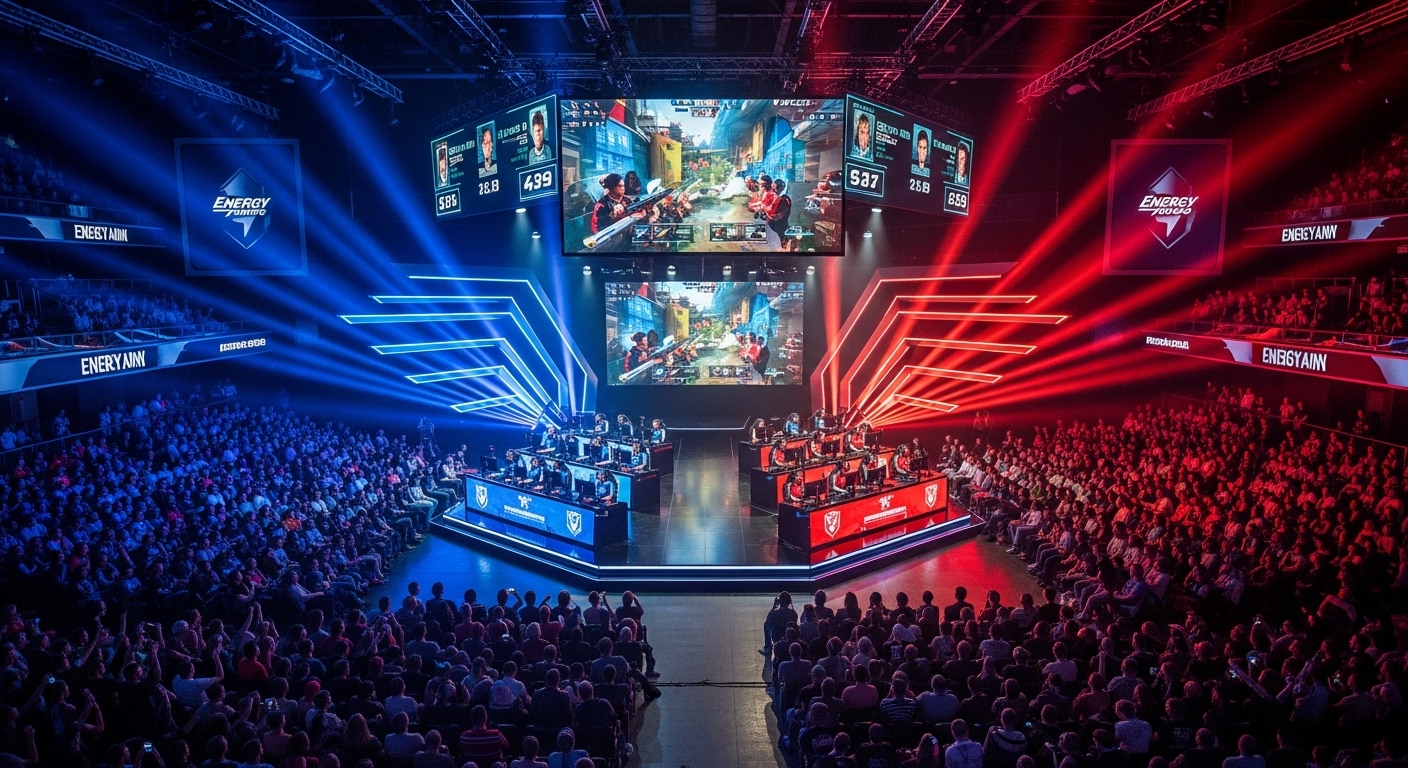
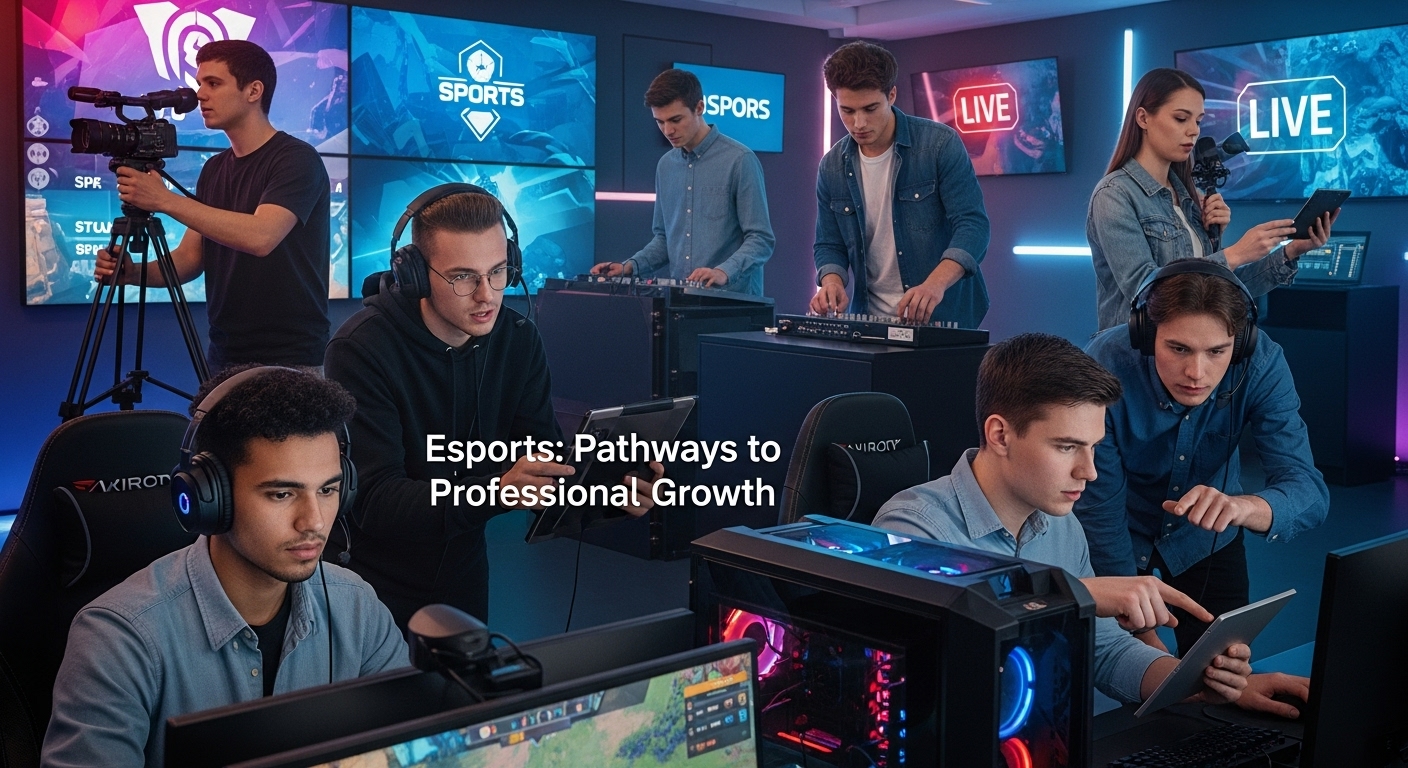
The world of sports has long been associated with physical prowess, speed, and strength, but a new frontier has emerged that is challenging these traditional notions. Esports, or competitive video gaming, has grown from a niche hobby into a global phenomenon, captivating millions of players and spectators alike. With professional leagues, high-stakes tournaments, and a thriving community, esports is redefining what it means to compete, engage, and excel in the digital age. Beyond entertainment, esports is influencing culture, education, and even career paths, proving that the digital arena is as vibrant and impactful as any traditional sports field.
Understanding Esports and Its Rise
Esports refers to organized, competitive video gaming, where players or teams compete in games ranging from strategy and first-person shooters to fighting games and sports simulations. Unlike casual gaming, esports demands a high level of skill, strategy, coordination, and mental agility. Over the past two decades, esports has transformed from informal online matches to professional competitions with structured leagues, sponsorship deals, and massive audiences. The growth is fueled by advancements in gaming technology, high-speed internet, streaming platforms, and social media, allowing esports to reach global audiences instantly.
The Competitive Spirit in the Digital Realm
At its core, esports embodies the same competitive spirit found in traditional sports. Players train rigorously, often dedicating hours each day to refine their skills, develop strategies, and improve reaction times. Professional teams employ coaches, analysts, and psychologists to optimize performance, much like in conventional sports. The stakes are high, with tournaments offering substantial prize pools, recognition, and career opportunities. Competitors must maintain focus, adapt to opponents’ strategies, and make split-second decisions under pressure. These challenges demonstrate that while esports may be digital, the discipline, resilience, and drive required are very real.
Esports as a Career Path
For many, esports is no longer just a hobby—it is a legitimate career. Professional gamers can earn income through tournament winnings, team salaries, sponsorships, and streaming. Popular streamers and content creators build personal brands that attract millions of followers, opening doors to merchandising, endorsements, and media appearances. Moreover, the esports industry has expanded to include roles in event management, game development, marketing, broadcasting, and analytics, creating diverse career opportunities beyond just playing. This professionalization of esports has legitimized gaming as a serious pursuit, challenging stereotypes that previously dismissed it as mere entertainment.
The Impact on Youth and Education
Esports has significant implications for youth engagement and education. Schools and universities increasingly recognize esports as a way to develop critical skills, including teamwork, problem-solving, strategic thinking, and digital literacy. Many institutions have established esports clubs, scholarships, and competitive teams, offering students a platform to excel both academically and in gaming. Participating in esports teaches time management, collaboration, and resilience, preparing young people for a rapidly evolving digital world. Additionally, esports provides an inclusive space for students who may not excel in traditional sports but have a passion for gaming and strategy.
Global Reach and Cultural Significance
Esports has a remarkable global presence, uniting players and fans across continents. Major tournaments attract international audiences, with millions tuning in to watch competitions from North America, Europe, Asia, and beyond. Games like League of Legends, Dota 2, Counter-Strike, and Fortnite have become cultural phenomena, influencing music, fashion, and online trends. The international nature of esports fosters cross-cultural exchange, breaking down barriers and creating a sense of shared community. Fans celebrate not only their favorite teams but also the skill, creativity, and dedication that esports players bring to the digital arena.
Technology Driving the Esports Revolution
Technology is at the heart of esports, shaping the way games are played, watched, and analyzed. High-performance gaming hardware, immersive virtual environments, and sophisticated software enable players to execute complex strategies with precision. Streaming platforms allow millions of viewers to watch live matches, interact with players, and participate in online communities. Data analytics, artificial intelligence, and performance-tracking tools are increasingly used by professional teams to optimize gameplay, develop strategies, and scout talent. These technological innovations ensure that esports remains dynamic, competitive, and accessible, bridging the gap between players and audiences worldwide.
Mental Health and the Pressure of Competition
While esports offers immense opportunities, it also presents unique mental and emotional challenges. Professional gamers face intense pressure to perform, maintain rankings, and secure sponsorships. Long hours of practice, high expectations, and public scrutiny can contribute to stress, burnout, and anxiety. Recognizing this, the esports industry has begun emphasizing mental health support, incorporating sports psychologists, stress management programs, and wellness initiatives into team structures. Maintaining a healthy balance between gaming, personal life, and physical activity is essential for sustainable success, highlighting that mental resilience is as critical as technical skill in esports.
Esports and Community Building
Esports fosters vibrant communities that extend far beyond the competition itself. Online forums, streaming channels, and social media platforms create spaces where fans and players share experiences, strategies, and creativity. Communities provide mentorship opportunities, collaborative learning, and a sense of belonging for individuals who may otherwise feel isolated. The culture of esports encourages inclusivity, with players and fans from diverse backgrounds contributing to a rich and dynamic environment. This communal aspect is one of esports’ most compelling features, emphasizing that the industry thrives not just on competition, but also on connection and collaboration.
Economic Impact and Industry Growth
The esports industry has grown into a multi-billion-dollar global enterprise. Revenue streams include tournament prizes, sponsorships, advertising, media rights, merchandise sales, and streaming subscriptions. Cities hosting major tournaments experience economic benefits, including tourism, media attention, and infrastructure development. Brands and corporations increasingly invest in esports, recognizing its ability to engage younger, digitally-native audiences. The growth of esports demonstrates its economic significance, proving that competitive gaming is not only culturally relevant but also a powerful driver of economic activity.
The Future of Esports
The future of esports is poised for continued growth and innovation. Emerging technologies such as virtual reality, augmented reality, and cloud gaming promise to transform how players and audiences interact with games. Expansion into new markets, integration with educational programs, and increasing professionalization will further solidify esports as a mainstream industry. Additionally, continued efforts to address mental health, inclusivity, and fair play will enhance the sustainability and credibility of esports. As it evolves, esports has the potential to redefine entertainment, sportsmanship, and community engagement in ways that extend far beyond the digital screen.
Inspiring the Next Generation
Esports inspires the next generation by demonstrating that passion, skill, and dedication can open doors to exciting opportunities. Young players look up to professional gamers as role models, learning the importance of discipline, teamwork, and strategic thinking. Esports encourages creativity, problem-solving, and innovation, empowering youth to explore their potential in both gaming and real-world pursuits. By offering a platform where talent is recognized and nurtured, esports contributes to personal growth, self-confidence, and the pursuit of excellence.
Conclusion: Esports as a New Era of Competition
Esports represents a new era of competition that blends technology, strategy, and skill. It challenges traditional notions of sports while offering unique opportunities for personal, professional, and cultural growth. From professional leagues and educational programs to global communities and technological innovation, esports continues to shape the way we play, watch, and engage with games. Beyond the screen, esports teaches discipline, resilience, and collaboration, proving that competition in the digital age is as meaningful and transformative as any traditional sport. As esports grows, it reaffirms that passion, innovation, and human potential can thrive in any arena, digital or physical.