Introduction
Sports have always been more than just physical contests. They represent the deepest essence of human determination, teamwork, and resilience. From ancient arenas to modern stadiums, sports have united people, broken barriers, and inspired countless stories of triumph and perseverance. The beauty of sports lies not only in winning but in the journey—one that shapes the body, strengthens the mind, and uplifts the spirit. Whether played for passion, pride, or purpose, sports continue to influence the way we live, think, and dream.
The Origins of Sports and Their Historical Importance
The history of sports dates back to the earliest days of civilization. Ancient humans engaged in running, wrestling, and hunting contests to display physical strength and survival skills. The Greeks formalized this spirit through the Olympic Games, a celebration of athleticism and unity. In ancient China, martial arts developed as both a combat skill and a philosophy of harmony between body and mind.
In medieval times, archery, fencing, and jousting became symbols of honor and prestige among knights and nobles. Indigenous communities across the world also practiced traditional sports that strengthened community bonds and preserved cultural identity. Over the centuries, these games evolved into structured disciplines, giving birth to the organized sporting world we recognize today.
Sports as a Universal Language
Sports transcend language, race, and geography. A football match in Brazil, a cricket game in India, or a marathon in Kenya—all express a shared global enthusiasm that connects people regardless of their background. This universal language has made sports one of the most powerful tools of unity and peace.
When nations gather for global events like the Olympics or World Cups, they celebrate diversity while promoting friendship and respect. Spectators cheer not only for victory but for effort, courage, and fair play. Sports have a unique ability to remind humanity of its shared dreams and values, breaking political and cultural boundaries.
The Physical Benefits of Sports Participation
Engaging in sports is one of the most effective ways to improve physical health. Regular physical activity enhances cardiovascular endurance, strengthens muscles, and boosts immunity. Sports like swimming, cycling, and athletics build stamina, while games like football and basketball improve coordination and reflexes.
Moreover, sports promote a disciplined lifestyle. Athletes learn to balance nutrition, rest, and rigorous training, fostering habits that contribute to long-term wellness. In an age where sedentary living has become common, sports offer a natural solution to maintaining fitness and vitality. They not only keep the body in motion but also train it to function efficiently and effectively.
The Mental and Emotional Strength Behind Sports
Sports are not just about physical performance—they are mental battles that test willpower, focus, and composure. Every athlete faces moments of fear, fatigue, and failure. Overcoming these challenges builds confidence and emotional resilience. The lessons learned in sports often mirror life itself: setbacks are inevitable, but persistence leads to growth.
Athletes cultivate discipline, patience, and self-belief through continuous practice. The ability to handle pressure, recover from losses, and stay humble in victory defines true champions. Sports psychology now plays a vital role in training programs, emphasizing the power of a strong mind alongside a strong body.
The Role of Teamwork and Leadership in Sports
One of the greatest lessons sports teach is the value of teamwork. In games like football, volleyball, or hockey, success depends on communication, trust, and coordination among players. Every team member contributes something unique, and the synergy of those efforts leads to victory.
Team sports nurture leadership qualities. Captains and coaches develop the ability to motivate others, strategize under pressure, and make decisions that impact collective success. Even in individual sports, behind every athlete stands a team of trainers, physiotherapists, and supporters whose combined efforts make success possible. These principles extend beyond the field, influencing how individuals collaborate in workplaces, schools, and communities.
The Rise of Women in Sports
Women’s participation in sports has dramatically transformed over the past century. Once excluded or overlooked, female athletes have proven that strength, skill, and passion are not defined by gender. Icons such as Serena Williams, Simone Biles, and Marta have become symbols of empowerment, inspiring millions of young girls worldwide to pursue their dreams.
The growing visibility of women’s sports has also reshaped public attitudes and challenged outdated stereotypes. From football leagues to Olympic podiums, women continue to demonstrate excellence and resilience. Yet, there remains a need for greater equality in pay, media representation, and opportunities. The progress so far, however, marks a powerful chapter in the evolution of sports and gender equality.
Technology’s Influence on Modern Sports
Technology has revolutionized every aspect of sports. From training to performance analysis and even fan engagement, innovations have redefined how athletes and audiences experience games. High-speed cameras, motion sensors, and wearable devices now provide real-time data to improve techniques and prevent injuries.
Video analysis helps coaches study opponents and refine strategies, while virtual reality offers immersive training environments. Even officiating has become more accurate with tools like goal-line technology and video reviews. Beyond the field, digital platforms connect fans directly with their favorite teams and athletes, making sports more interactive than ever before.
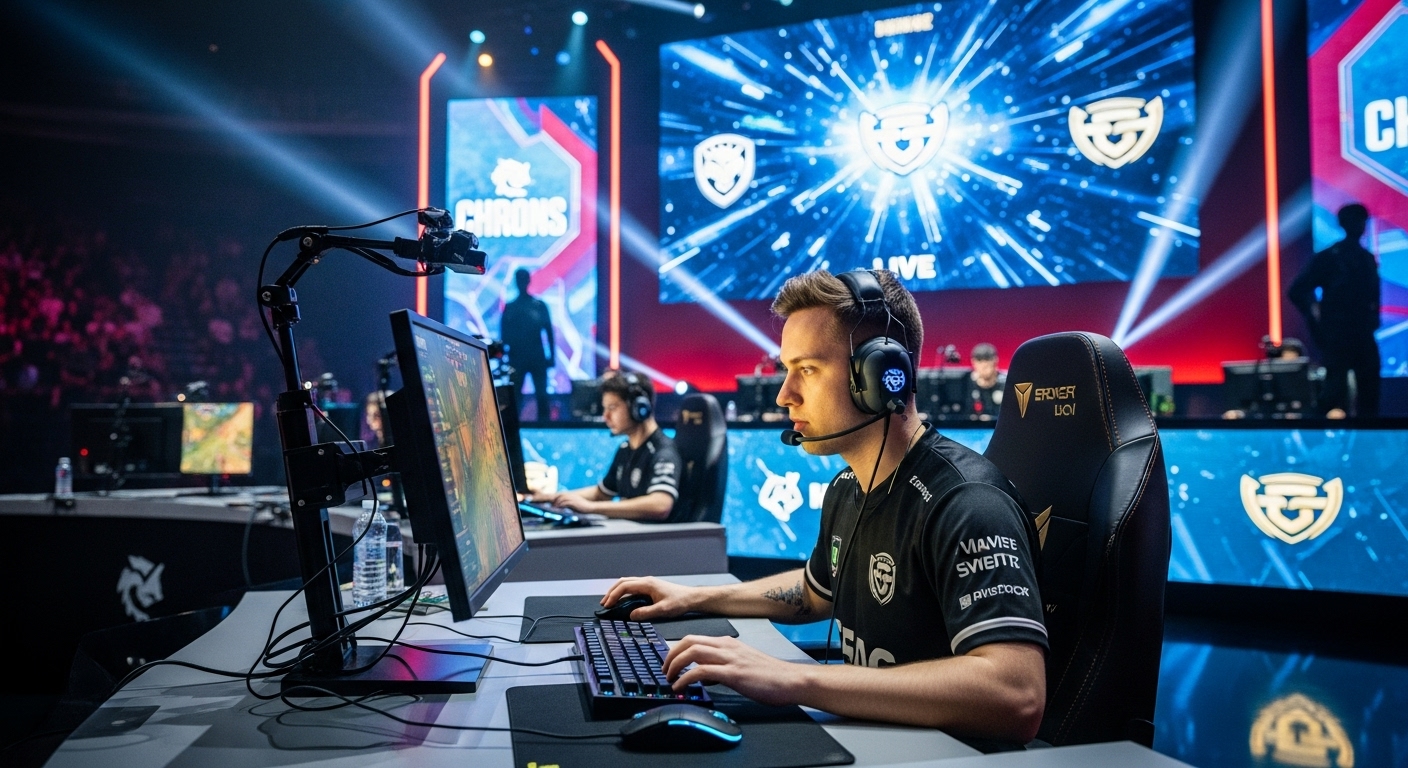
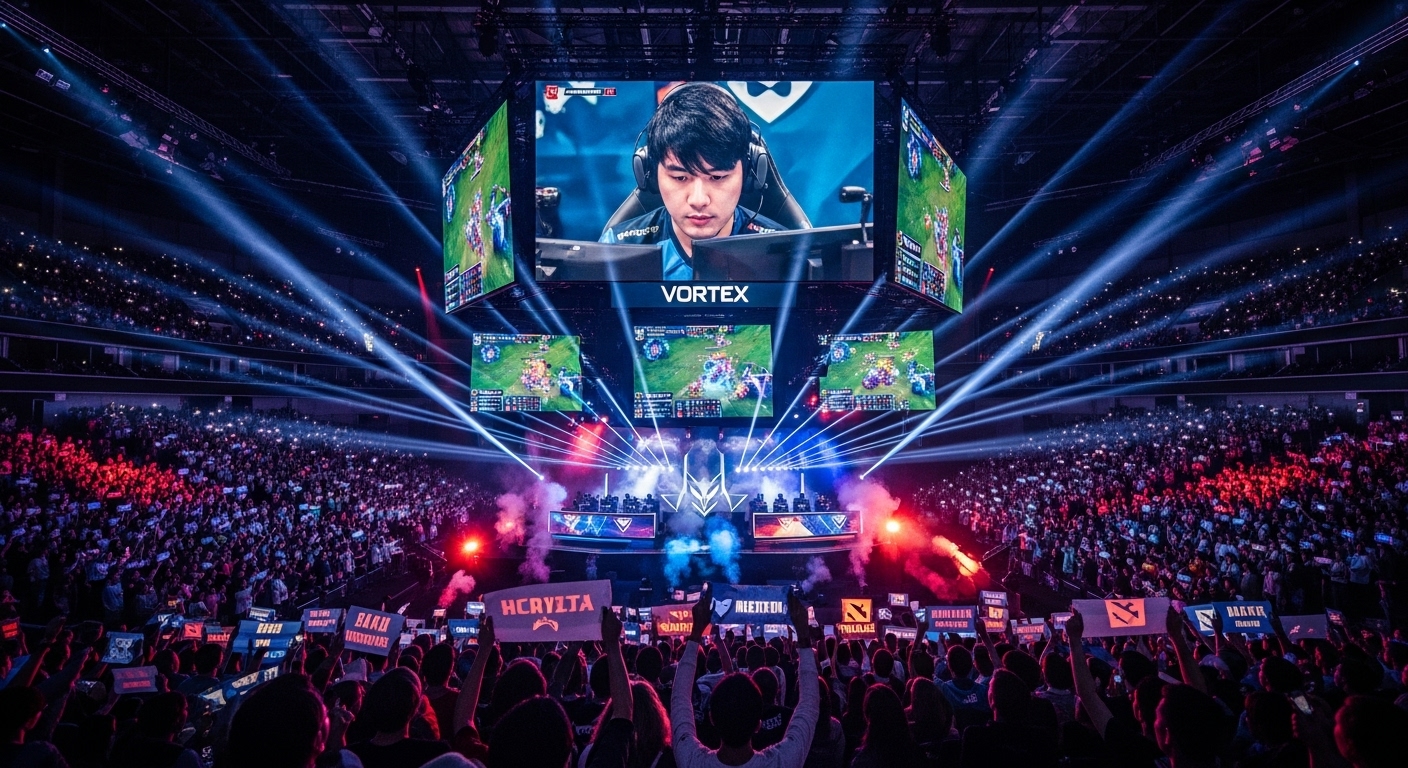
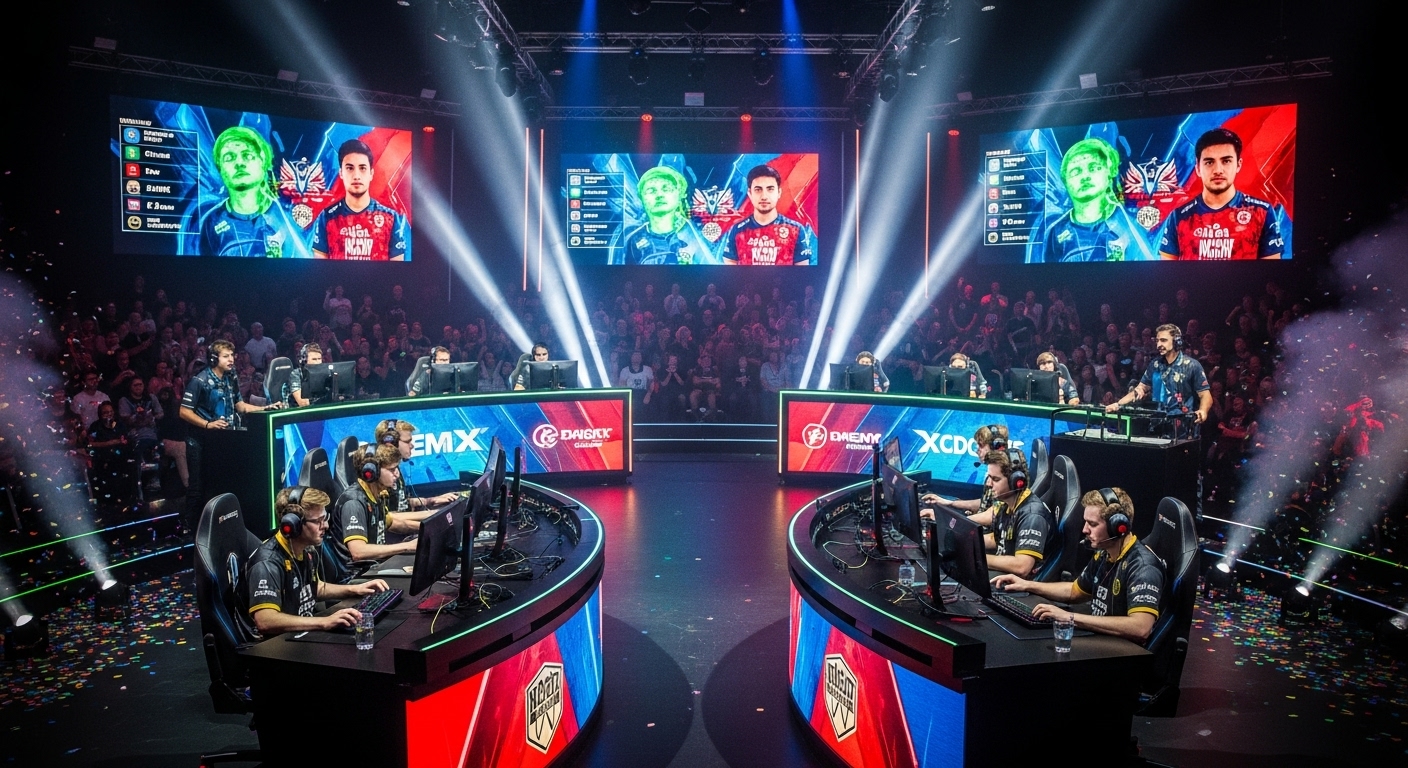
Technology has also opened doors to new forms of athletic expression, such as e-sports, where competition thrives in the virtual world. The fusion of sports and technology continues to grow, promising even greater advancements in performance and accessibility.
Sports and Education: Building Character and Discipline
Sports are an integral part of education. They teach discipline, teamwork, and time management—skills essential for success in all areas of life. Schools that encourage physical education not only develop healthier students but also foster confidence and leadership qualities.
Participation in sports helps students learn how to win gracefully and lose with dignity. It promotes respect for rules, authority, and fair play. These experiences shape young minds to handle challenges constructively. In many cases, sports also open doors to scholarships and careers, making them an essential pathway to growth and opportunity.
The Economic Impact of Sports
The sports industry contributes significantly to global economies. From stadium construction to broadcasting rights and merchandising, sports generate billions of dollars each year. Major events attract tourists, create jobs, and stimulate local businesses. Athletes become influential brand ambassadors, shaping consumer trends and inspiring lifestyles.
Sports marketing and sponsorships have created new avenues for business growth. Cities hosting global tournaments gain infrastructure development and international recognition. The commercial side of sports, when managed ethically, supports talent development and community welfare.
Sports as a Tool for Social Change
Throughout history, sports have played a crucial role in promoting equality and justice. Athletes have used their platforms to raise awareness about issues such as racism, discrimination, and human rights. Figures like Muhammad Ali and Jackie Robinson demonstrated that sports could be a voice for the voiceless and a symbol of courage against oppression.
In modern times, campaigns for inclusivity, environmental awareness, and mental health have gained traction through sports. Athletes openly discussing personal struggles help break stigma and encourage support. Sports teach humanity not just to compete, but to care—to use influence for a better and more compassionate world.
Challenges Facing the World of Sports
Despite its many benefits, the sports industry faces several challenges. Corruption, doping scandals, and commercialization have at times tainted the purity of competition. The pursuit of profit sometimes overshadows the spirit of fair play and respect.
Mental health issues among athletes have also become more visible. The constant pressure to perform, coupled with media scrutiny, can lead to anxiety and burnout. It is essential for sports organizations to prioritize well-being and create supportive environments.
Accessibility is another major concern. In many developing regions, young talents lack resources and opportunities to train or compete. Addressing these disparities will ensure that sports remain inclusive and representative of all.
The Role of Fans and Community
Fans are the heartbeat of sports. Their energy fuels players and turns matches into unforgettable experiences. The emotional connection between fans and teams goes beyond entertainment—it becomes part of identity and culture.
Sports communities foster belonging and shared joy. Local clubs, fan associations, and grassroots initiatives bring people together, promoting friendship and solidarity. Even in defeat, fans find pride and motivation through the shared spirit of support. Sports, at their core, remind us of the collective human experience of passion and perseverance.
The Future of Sports
The future of sports promises innovation and inclusivity. As technology evolves, athletes will train smarter, and fans will experience more immersive viewing experiences. E-sports, mixed-gender competitions, and adaptive sports for people with disabilities will gain further recognition.
Environmental sustainability will also play a central role, as organizations aim to reduce the carbon footprint of events and facilities. The future will likely focus on balance—preserving the emotional and cultural essence of sports while embracing progress.
The True Meaning of Sportsmanship
Sportsmanship is the soul of every game. It is about respecting opponents, playing fairly, and accepting results with grace. True champions are remembered not only for their victories but for their integrity and humility. Sportsmanship teaches that honor lies in effort, not just success.
Athletes who display fairness and empathy inspire future generations. Through sportsmanship, competition transforms into connection, reminding everyone that the ultimate goal of sports is not domination, but unity through excellence and respect.
Conclusion
Sports are a mirror of human spirit and possibility. They teach us to aim higher, work harder, and believe in ourselves even when the odds are against us. From ancient fields to modern arenas, the essence of sports remains unchanged—a testament to courage, discipline, and hope.
Every athlete’s journey, every fan’s cheer, and every game played carries the same timeless message: greatness is achieved not by standing alone, but by lifting others and growing together. Sports remind us that while victory may last a moment, the lessons they teach endure for a lifetime.