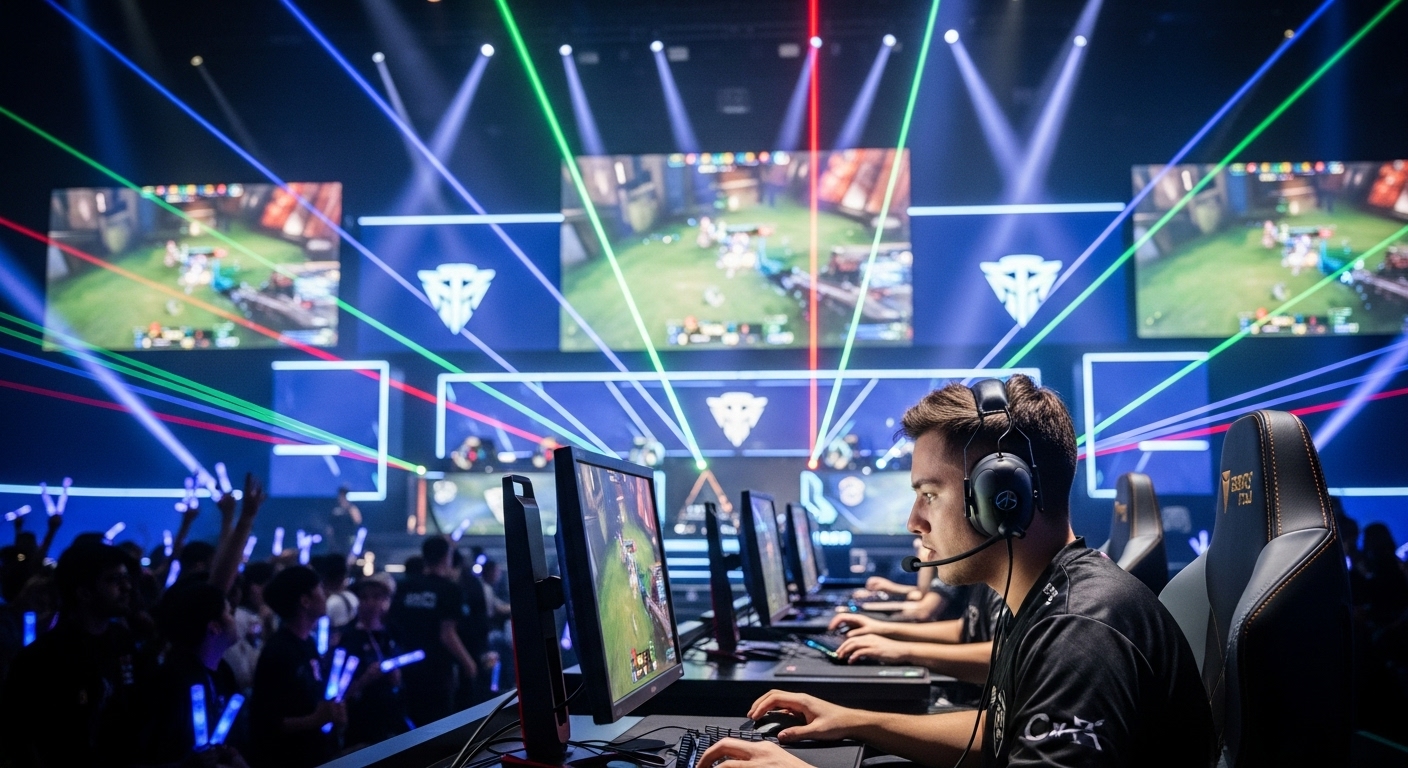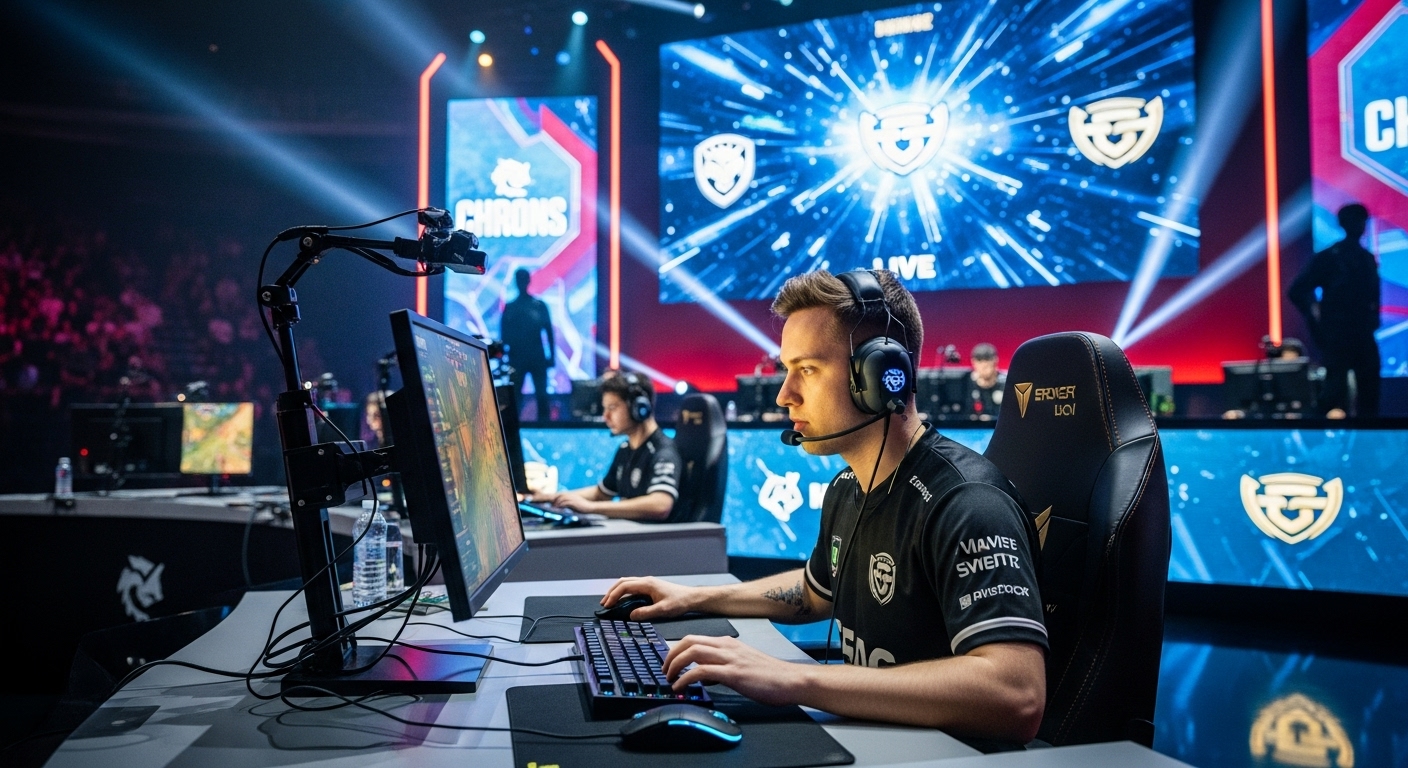
Esports, once a niche hobby enjoyed by a small group of dedicated players, has blossomed into one of the most rapidly growing and lucrative industries in the world. Today, it commands an audience of millions, with professional players, massive tournaments, and sponsorships from some of the biggest global brands. The transformation from casual gaming to a multi-billion-dollar industry is nothing short of revolutionary. As esports continues to expand, its impact on entertainment, culture, and the economy is profound. In this post, we’ll explore the rise of esports, its current state, and the forces shaping its future.
The Origins of Esports: A Humble Beginning
The story of esports can be traced back to the 1970s when the first known video game competition, “The Intergalactic Spacewar Olympics,” was held at Stanford University in 1972. The event was small, consisting of just a few players competing in Spacewar, a simple but groundbreaking game. At that time, video games were mostly seen as entertainment for individuals, and there was little recognition of gaming as a competitive activity.
However, as the 1990s arrived and the internet began to gain traction, competitive gaming began to shift from small, local events to large-scale, online competitions. The advent of multiplayer online games such as Quake and StarCraft allowed players to compete against others from around the world. Early esports events, though still modest in scope, began to attract attention from players, fans, and media outlets. As technology advanced and games became more complex, the foundation for a professional competitive gaming industry was laid.
By the early 2000s, the first major international tournaments and leagues were established, bringing together skilled players from across the globe. These events offered modest prize pools and were broadcast on small networks or streamed on early video platforms like YouTube. The real turning point, however, came with the introduction of Twitch in 2011, a live streaming platform dedicated to gaming content. This marked the beginning of a new era for esports, where players and fans could connect in real time, and tournaments could be streamed to a global audience.
The Growth of Esports: From Niche to Mainstream
Esports took a giant leap forward in the 2010s, evolving from a hobbyist pursuit to a professional and highly profitable industry. What began as a small community of players and fans has now transformed into a global movement, with esports tournaments taking place in packed arenas and millions of fans tuning in to watch the action from the comfort of their homes.
One of the key drivers of this growth has been the increasing recognition of esports as a legitimate form of entertainment. Esports has garnered widespread mainstream attention, with traditional sports networks and major media outlets covering major tournaments. Major brands, including global giants like Coca-Cola, Intel, and Mercedes-Benz, have become sponsors of esports leagues, teams, and players, helping to inject millions of dollars into the industry.
At the same time, esports has become more organized. Today, professional esports players compete in official leagues, with established teams, coaches, analysts, and managers guiding them to victory. The structure of esports is now comparable to that of traditional sports leagues like the NBA, NFL, or Premier League. Major franchises, such as Cloud9, Team Liquid, and Fnatic, have built global fanbases and operate with the same professionalism seen in conventional sports organizations.
The popularity of games like League of Legends, Dota 2, Counter-Strike: Global Offensive, and Fortnite has helped establish esports as a form of entertainment in its own right. These games have cultivated dedicated communities, and their major tournaments, such as The International and League of Legends World Championship, regularly attract millions of viewers both online and in person. Prize pools for these tournaments have reached staggering amounts, sometimes exceeding $30 million, further emphasizing the profitability and importance of esports.
The Digital Fan Experience: Streaming, Interaction, and Global Reach
One of the defining features of esports is its digital-first nature. Unlike traditional sports, which require physical stadiums, esports has fully embraced the digital realm, allowing fans to interact with players and teams online. The rise of streaming platforms, particularly Twitch, has transformed how people experience esports. Players and fans now have access to live broadcasts of tournaments, commentary, behind-the-scenes content, and much more.
Streaming has become the cornerstone of esports culture. On platforms like Twitch, fans can tune in to watch live gameplay, interact with streamers in real-time via chat, and support their favorite players through donations, subscriptions, and merchandise purchases. This sense of community, where fans can directly engage with players, has been one of the key drivers of esports’ explosive growth. Unlike traditional sports broadcasts, which often maintain a clear divide between the audience and the players, esports provides a more personal experience, where viewers feel like they are part of the action.
This interactive nature has given rise to a new kind of celebrity: the esports streamer. Players like Ninja and Shroud have built massive followings by streaming their gameplay, participating in live events, and interacting with their fans. These streamers often become influencers, with sponsorship deals, merchandise lines, and massive social media followings that rival those of traditional sports stars.
Esports has also introduced new forms of content consumption. In addition to watching tournaments, fans engage with esports through highlight reels, interviews with players, team documentaries, and even esports reality shows. This variety of content appeals to a wide audience, expanding the reach of esports beyond hardcore gaming enthusiasts to casual viewers who appreciate the entertainment value of the events.
Esports as a Career: From Players to Professionals
For many, esports represents a viable career path. Just like traditional athletes, esports players dedicate countless hours to practice, training, and competition. The life of a professional esports player involves intense focus and discipline. Players must keep up with the ever-evolving game mechanics, improve their skills, and develop strategies to stay competitive in a constantly changing environment. The pressure to perform at the highest level is immense, but the rewards can be significant.
The best esports players can earn impressive salaries, with top players securing six-figure contracts and lucrative sponsorship deals. For example, players who compete in games like Dota 2 and League of Legends often receive salaries from their teams, and they can earn additional income through tournament winnings, streaming, and merchandise sales. Additionally, many professional players gain international recognition, making them celebrities in the esports world.
Esports has also given rise to new professions. Coaches, analysts, team managers, and event organizers all play critical roles in the ecosystem. In fact, the growing complexity of esports has led to the creation of specialized roles, such as data analysts who track player performance, strategists who help design team tactics, and content creators who promote teams and events. Beyond playing the games themselves, these positions have contributed to the professionalization and expansion of esports.
Universities and schools around the world have also started to offer scholarships and degrees in esports management, game design, and digital media. Esports programs now exist at the collegiate level, allowing students to pursue a career in gaming and related fields. As the esports industry matures, more people will be able to enter the field, whether as players, coaches, content creators, or marketers.
Esports’ Impact on the Global Economy
Esports is no longer a fringe market; it is a major economic force. The industry generates billions of dollars annually, driven by multiple revenue streams. Sponsorships, advertising, media rights, ticket sales, and merchandise all contribute to esports’ economic impact. For example, brands like Intel, Razer, and Audi sponsor major events and teams, investing heavily in the esports ecosystem.
Additionally, esports events draw large crowds, filling stadiums and arenas around the world. The International, held annually in Seattle, has become one of the largest esports events, attracting tens of thousands of fans to watch live and millions more who stream the event online. This not only provides revenue for event organizers but also generates significant economic activity in host cities, from tourism to hospitality.
The rise of esports has also led to new opportunities for content creators and influencers. Professional players, casters, and streamers can generate substantial income from sponsorships, ad revenue, merchandise sales, and fan donations. Many players have used their fame in esports to branch out into other areas of entertainment, including YouTube channels, podcasts, and collaborations with brands outside the gaming industry.
The Future of Esports: A New Era of Competition
As esports continues to evolve, its future looks incredibly promising. New technologies, such as virtual reality (VR), augmented reality (AR), and artificial intelligence (AI), have the potential to revolutionize the way esports are played and consumed. VR and AR could provide players and viewers with more immersive experiences, while AI could help create smarter opponents for training and competition.
The growth of mobile esports is also a significant trend. As smartphones and tablets become more powerful, mobile gaming has exploded, particularly in regions like Southeast Asia and South America. Games like PUBG Mobile and Mobile Legends have created large competitive ecosystems, and tournaments in these games are attracting millions of viewers.
Esports is also moving closer to being recognized alongside traditional sports in global competitions. Some countries have already included esports in events like the Asian Games, and discussions are underway about the potential inclusion of esports in the Olympic Games. If this happens, it would further cement esports’ place as a legitimate and respected form of competition.
Conclusion: Esports and the Future of Competition
Esports has come a long way since its humble beginnings in the 1970s. Today, it is a global, multi-billion-dollar industry that attracts millions of fans, players, and investors from around the world.