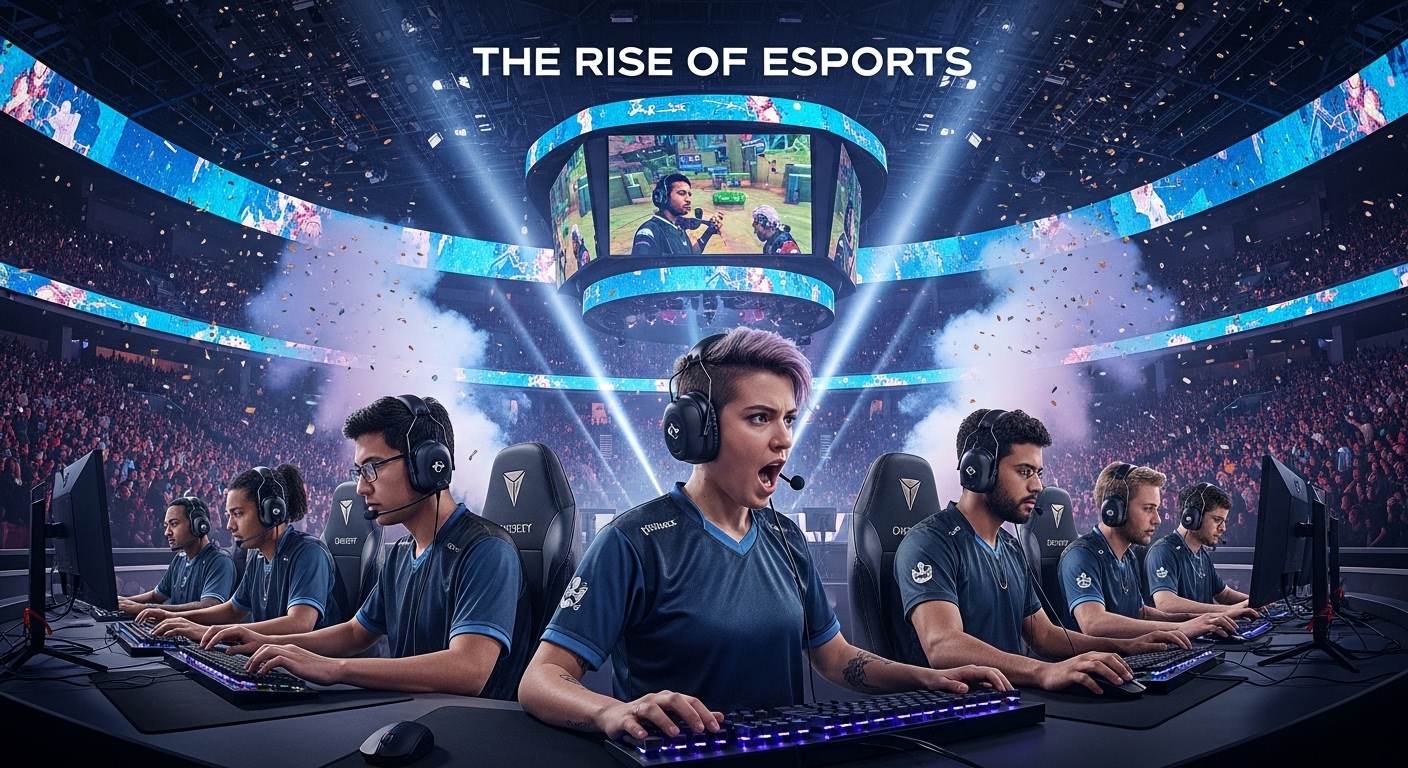
Esports has transformed from a niche hobby into a global phenomenon, redefining what it means to compete, entertain, and connect in the digital age. Once dismissed as a pastime for gamers, esports has now become a legitimate industry with professional players, massive tournaments, and a fan base that rivals traditional sports. With the advent of streaming platforms, global sponsorships, and technological advancements, esports has established itself as a cultural, economic, and social force shaping the entertainment landscape.
In this blog, we will explore the evolution of esports, its impact on culture and society, the growth of professional gaming, and what the future may hold for this rapidly expanding industry.
The Origins of Esports: From Arcades to Online Arenas
The roots of esports can be traced back to the early days of arcade gaming in the 1970s and 1980s. Competitions like the Space Invaders Championship in 1980 drew thousands of participants and marked the beginning of organized gaming contests. With the rise of home consoles and personal computers, competitive gaming began to take shape in more structured formats.
In the 1990s, multiplayer games such as Quake and StarCraft popularized online competition, bringing players together across cities and countries. LAN (Local Area Network) tournaments became popular, allowing gamers to compete in real-time while fostering community and camaraderie. These early foundations laid the groundwork for esports as a professional and socially impactful industry.
The Professionalization of Esports
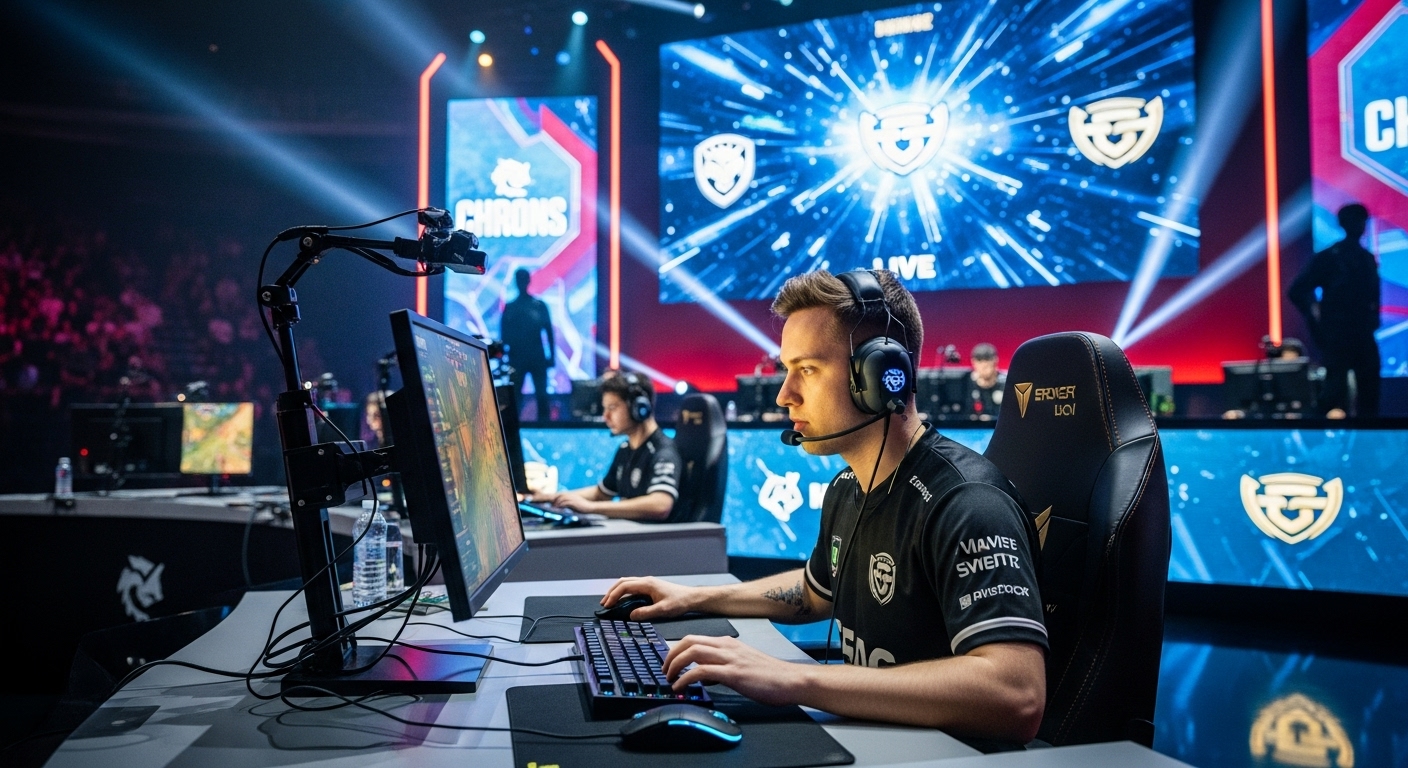
Esports has evolved into a professional arena, where players are not just hobbyists but full-time athletes. Professional esports organizations recruit talent, offer salaries, and provide training facilities, nutrition plans, and coaching staff, similar to traditional sports teams. Players specialize in games like League of Legends, Dota 2, Counter-Strike, Fortnite, and Call of Duty, honing skills that require strategic thinking, reflexes, and teamwork.
The professionalization of esports has also attracted investors and sponsors. Major brands, including technology companies, sportswear brands, and energy drink manufacturers, have invested in esports teams and tournaments. This financial backing has elevated the quality of production, prize pools, and global reach, turning esports into a multi-billion-dollar industry.
Esports Tournaments: Spectacle and Competition
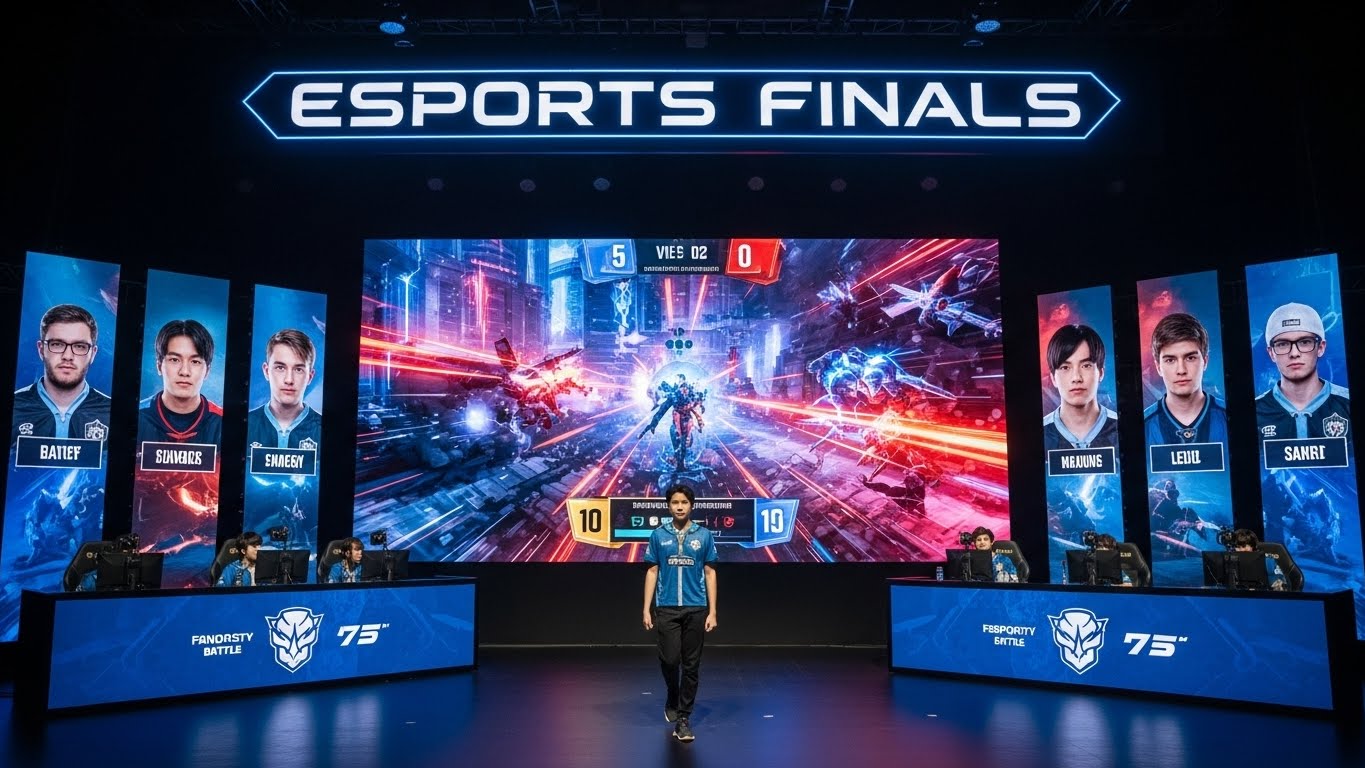
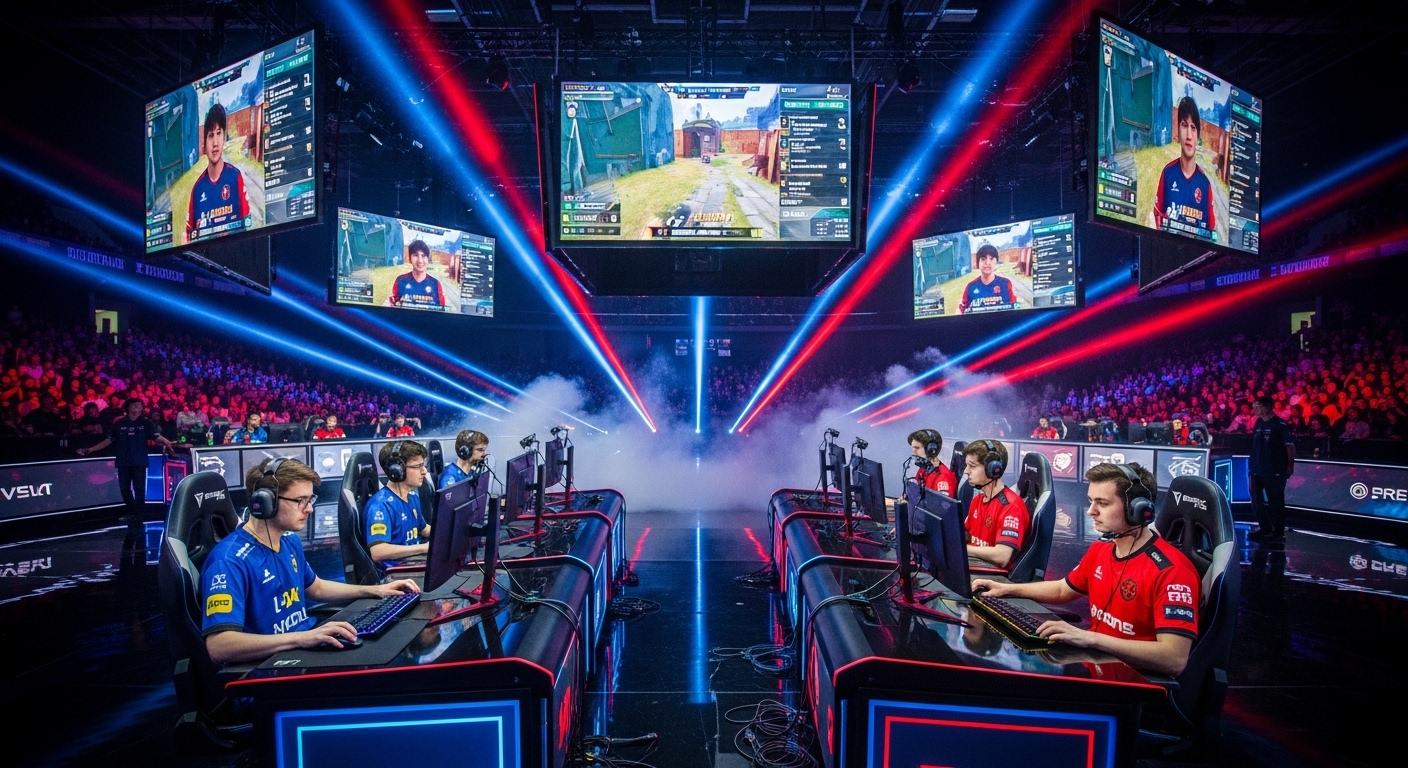
Esports tournaments have become grand spectacles, attracting thousands of live attendees and millions of online viewers. Events like The International (Dota 2), League of Legends World Championship, and Fortnite World Cup exemplify the scale and excitement of competitive gaming. These tournaments often feature dramatic storylines, rivalries between teams, and high-stakes prize pools, capturing the attention of audiences worldwide.
The broadcast quality of esports events rivals that of traditional sports, with professional commentators, live analysis, player interviews, and immersive visuals. Streaming platforms and social media amplify the reach, allowing fans from different continents to engage in real-time. This global accessibility and interactivity have fueled the growth of esports fandom, creating a sense of community and shared experience among viewers.
The Role of Streaming in Esports Growth
Streaming platforms have played a critical role in the expansion of esports. Platforms like Twitch, YouTube Gaming, and others allow players to broadcast gameplay to global audiences, build personal brands, and interact with fans. Streamers have become influential figures, often rivaling traditional celebrities in popularity.
Streaming is not limited to professional esports players. Amateur gamers, content creators, and casual players can gain recognition through entertaining gameplay, tutorials, or commentary. This democratization of content creation has strengthened the esports ecosystem, creating diverse opportunities for engagement, income, and creative expression.
Cultural Impact of Esports
Esports has reshaped popular culture, influencing fashion, language, and social trends. Gaming references, memes, and inside jokes have become part of everyday conversation, while esports personalities influence youth culture and media consumption patterns. Cosplay, fan art, and fan-driven events demonstrate the deep connection between communities and the games they love.
Additionally, esports has challenged traditional notions of sports and competition. It emphasizes mental agility, teamwork, strategy, and dexterity over physical strength. This has led to debates about whether esports should be included in mainstream sports competitions and even considered for inclusion in global events such as the Olympics.
Esports and Education
Esports has begun to make its mark in educational institutions as well. Schools and universities worldwide are establishing esports programs, scholarships, and competitive teams. These initiatives encourage teamwork, problem-solving, and leadership skills among students while offering pathways to professional careers in gaming, event management, and content creation.
Educational esports programs also focus on healthy gaming habits, including balancing practice with academics, maintaining physical fitness, and understanding sportsmanship. By integrating esports into education, institutions acknowledge its legitimacy and potential to equip students with skills applicable in broader professional contexts.
Economic Impact of Esports
The economic impact of esports extends far beyond prize pools and salaries. It encompasses game development, hardware production, streaming technology, marketing, event management, and merchandise. The industry has created jobs for developers, commentators, analysts, marketers, and event organizers.
Sponsorship deals and advertising revenues continue to grow, reflecting the massive reach of esports audiences. Brands recognize the engagement and loyalty of esports fans, often targeting younger demographics that are more difficult to reach through traditional media. The economic ecosystem surrounding esports demonstrates its transformative influence on technology, media, and commerce.
Health and Lifestyle in Esports
Despite misconceptions, professional esports players follow rigorous routines to maintain mental and physical well-being. Reaction time, focus, and strategic thinking are essential skills that require regular training and rest. Many teams employ physical trainers, nutritionists, and psychologists to optimize performance.
Gaming marathons and prolonged screen time can pose health risks, including eye strain, repetitive strain injuries, and mental fatigue. Awareness and education on healthy gaming practices are vital for both professional and amateur players. The growing emphasis on wellness within esports reflects the industry’s maturity and commitment to sustainable careers.
Women and Diversity in Esports
Historically, esports has been male-dominated, but recent years have seen efforts to increase inclusion and diversity. Female gamers, LGBTQ+ players, and individuals from underrepresented backgrounds are gaining visibility, challenging stereotypes, and expanding the audience for competitive gaming.
Organizations and tournaments dedicated to promoting inclusivity have emerged, creating safe spaces for diverse participation. Representation matters, and by welcoming a broader range of players, esports fosters a richer, more dynamic community that reflects the global population.
Challenges Facing Esports
While esports has flourished, it faces challenges that threaten sustainable growth. Issues such as player burnout, mental health pressures, cheating, and toxic behavior in online communities require ongoing attention. Regulatory frameworks for contracts, player rights, and tournament standards are still evolving, which can lead to disputes and inconsistencies.
Additionally, technological disparities, internet access, and hardware affordability create barriers for potential players in certain regions. Addressing these challenges is critical for ensuring that esports remains inclusive, ethical, and accessible while maintaining the excitement and competitiveness that have driven its growth.
The Future of Esports
The future of esports is bright, with continued growth expected across multiple dimensions. Virtual reality and augmented reality gaming may revolutionize how competitions are played and viewed, creating more immersive experiences. Artificial intelligence could be used to enhance training, strategy analysis, and game design, elevating competitive standards.
Esports is likely to strengthen its connections with mainstream media, traditional sports, and entertainment industries, creating hybrid events that blend gaming, music, and live performances. Educational programs, professional pathways, and community initiatives will further solidify esports as a legitimate, long-term global industry. As technology and creativity evolve, the line between reality and the virtual competitive world will blur, giving rise to new possibilities for players, fans, and stakeholders.
Conclusion: Esports as a Cultural Revolution
Esports is more than a competitive gaming platform; it is a cultural, social, and economic revolution. It has challenged conventional definitions of sports, entertainment, and community while opening avenues for creativity, professional development, and global connectivity. From its humble origins in arcades and LAN parties to its current status as a multi-billion-dollar industry, esports reflects the power of digital culture to shape human interaction and aspiration.
As audiences, players, and institutions continue to embrace esports, its influence will only grow, redefining entertainment, competition, and identity in the digital age. In a world where skill, strategy, and creativity converge in virtual arenas, esports represents the future of competition, community, and culture—a world where anyone, anywhere, can level up their reality.