Introduction: The Digital Rise of Competitive Play
For decades, competitive gaming was seen as a niche hobby, tucked away in small arcades or living rooms. Today, it stands as one of the fastest-growing entertainment industries in the world. Esports has evolved from casual multiplayer matches into a professional arena filled with athletes, coaches, analysts, and millions of passionate fans. The sound of a roaring crowd no longer belongs solely to traditional stadiums; it now echoes through digital arenas across the globe. This transformation didn’t happen overnight. It grew from a blend of technological progress, cultural shifts, and a new generation hungry for interactive entertainment.
The Evolution of Esports Culture
Early video game competitions were simple and local. Players gathered around bulky arcade machines or early computers to challenge one another in games that were often more about bragging rights than about prize pools. As the internet expanded, so did the concept of competition. Suddenly, distance no longer mattered. A player in one country could test their skills against someone thousands of miles away. Living rooms turned into battlegrounds, and online communities became the new social hubs.
With the rise of high-speed connections, global tournaments emerged. Player versus player games rapidly became spectator events, transforming the act of watching gameplay from a casual pastime into a mainstream form of entertainment. Where spectators once watched for strategy tips, they now tuned in for their favorite teams, iconic players, and the thrill of witnessing extraordinary skill.
The Professional Athlete of the Digital Age
One of the most fascinating aspects of esports is the development of the professional gamer. This is a role that requires discipline, tactical awareness, lightning-fast reflexes, and relentless mental focus. Contrary to outdated stereotypes, professional esports players train with the intensity of Olympic athletes. They follow strict schedules, analyze data, and work closely with coaches who specialize in strategy and performance psychology.
Teams structure their days around scrimmages, mechanical drills, and review sessions. Analysts break down matches frame by frame, searching for minor advantages or mistakes. Nutritionists and fitness trainers help players maintain energy and reduce physical strain, as repetitive motions and long hours can lead to injuries. Behind every star player stands a support system similar to that of traditional sports, proving that esports demands just as much dedication and professionalism.
Esports Titles That Shaped the Industry
Esports is not defined by a single game. It is a mosaic of genres, each with its own culture, community, and competitive scene. First-person shooters, multiplayer online battle arenas, sports simulations, and strategy games all contribute to the ecosystem.
Some games have left particularly deep imprints. They helped form the competitive structure, built global followings, and pushed the industry into mainstream recognition. Each title, regardless of genre, shares one common trait: the ability to create high-stakes, emotionally charged competition. Whether it is the precision of tactical shooters or the strategic depth of team-based arenas, these games translate perfectly into spectator entertainment.
The Influence of Streaming and Content Creation
Without streaming platforms, esports would not have reached its current height. Streaming brought players, fans, and creators into the same digital space. Instead of just watching tournaments, fans could tune into their favorite players’ daily live sessions. This accessibility created a sense of connection, as if fans were sitting beside their favorite players during each match.
Content creation also birthed a new generation of personalities. Not every influential figure in esports is a professional athlete. Many are streamers who entertain through humor, storytelling, or impressive skill. These creators attract massive audiences, turning gaming into a lifestyle rather than simply a hobby. Their presence helps fuel the esports ecosystem, pulling in viewers who might not follow competitive matches but stay for the personalities and culture.
Esports Arenas and the Spectacle of Live Events
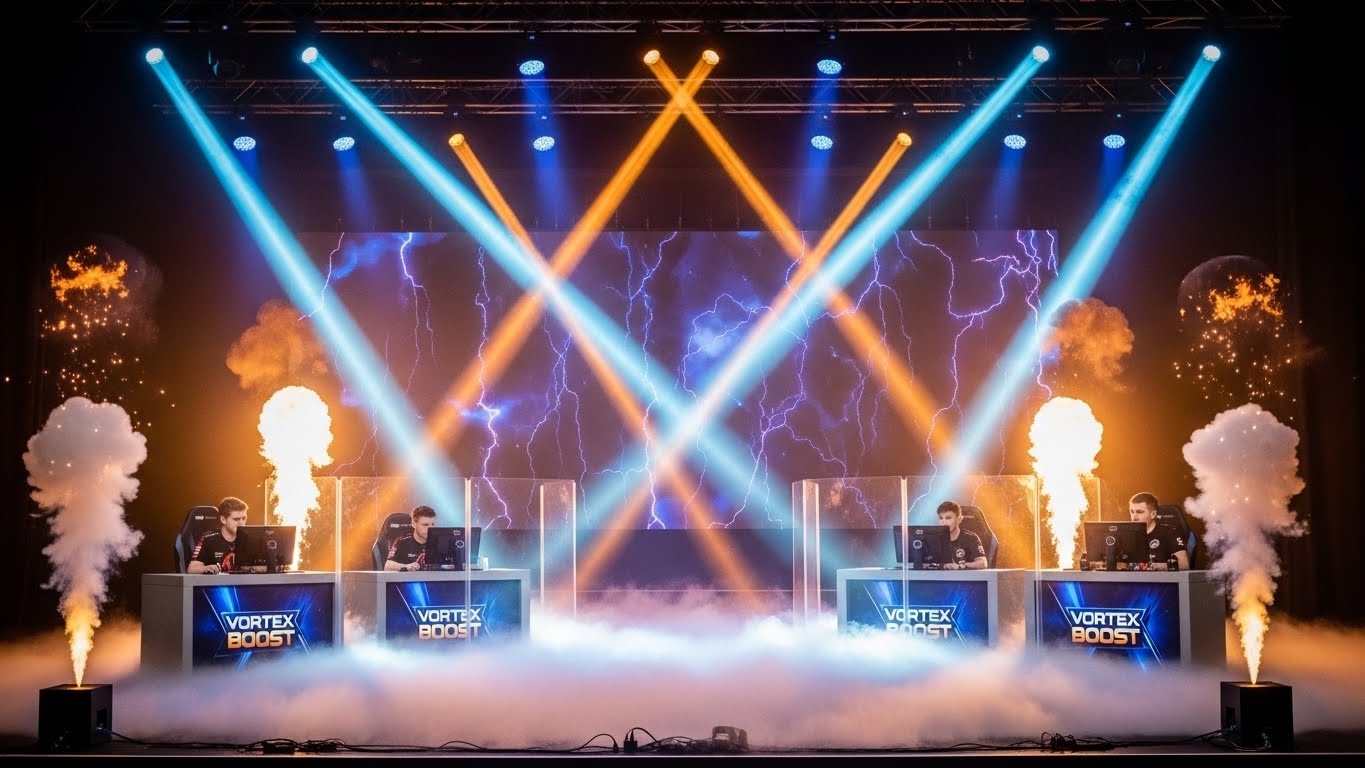
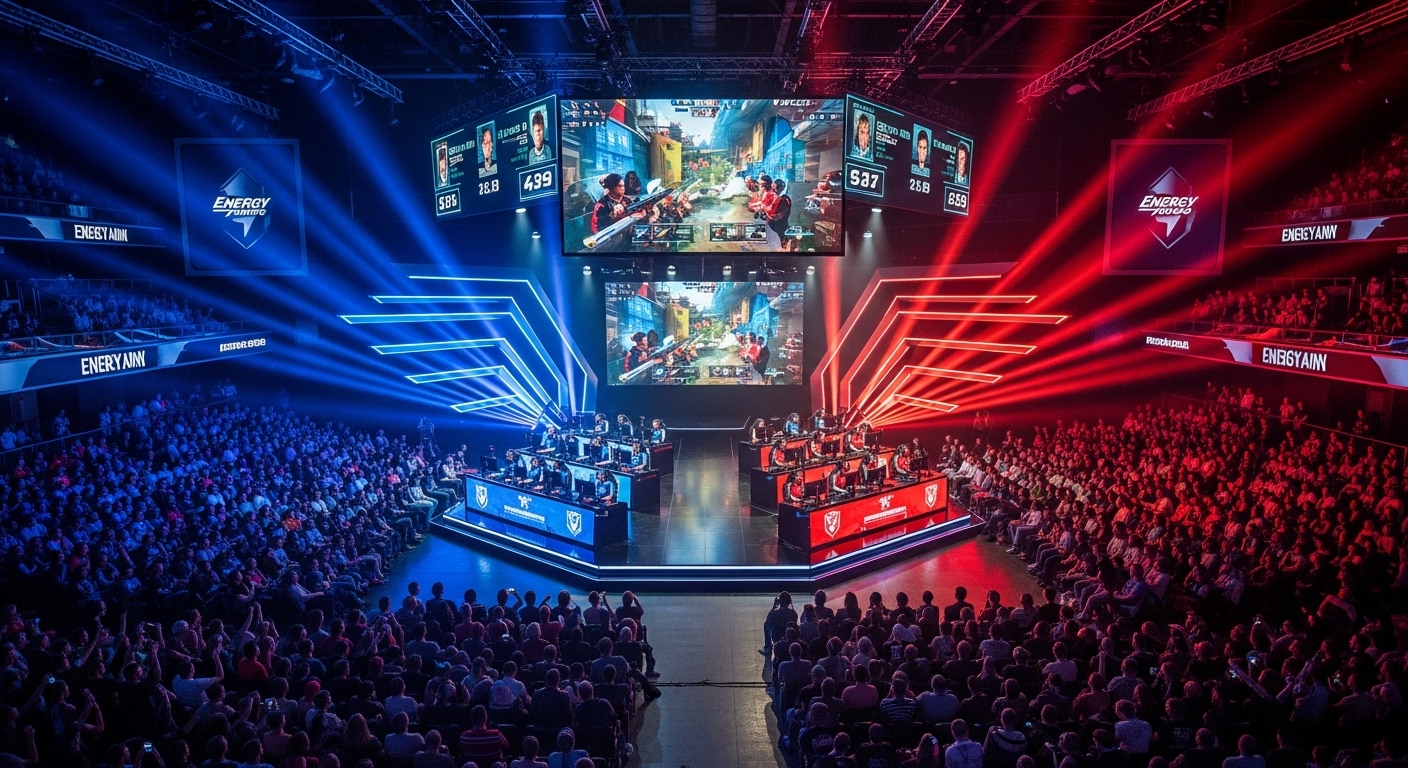
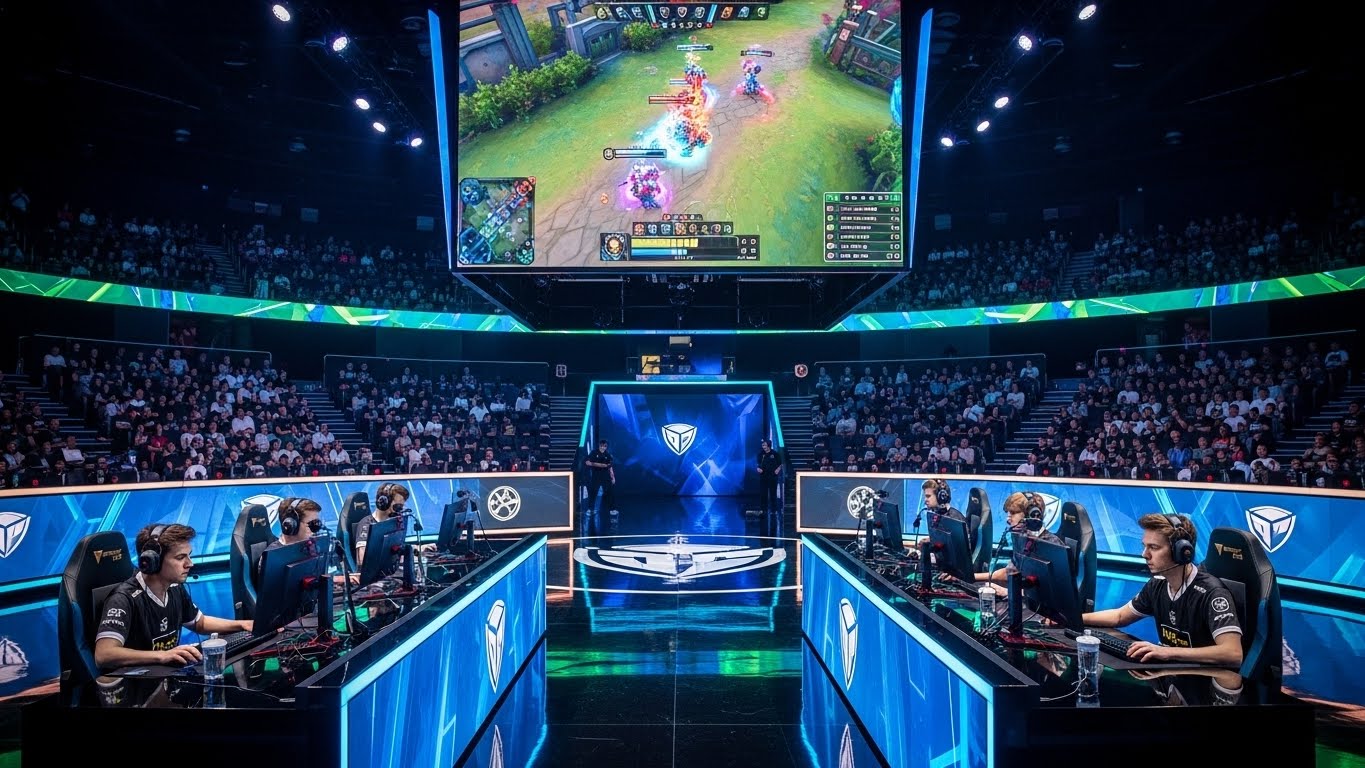
Although esports is digital at its core, its live events have become some of the most impressive spectacles in modern entertainment. Entire arenas fill with fans cheering for their favorite teams, waving banners, and reacting to every clutch play. Light shows, stage effects, and creative productions transform each match into a full theatrical experience.
These events blend the energy of concerts with the intensity of championship sports. Families attend together. Fans dress as their favorite characters. Teams meet their supporters, sign autographs, and build lasting relationships. The atmosphere is electric and unlike anything else, proving that esports can deliver communal excitement on a global scale.
The Global Reach of Competitive Gaming
What makes esports especially powerful is its universal accessibility. Many traditional sports require expensive equipment or specialized facilities, but esports can begin with just a console or computer. This low barrier to entry allows players from diverse backgrounds to participate and rise based on skill.
Countries across Asia, Europe, and North America have surged into the competitive scene, each bringing their own style and culture. International tournaments showcase this diversity, creating rivalries and storylines that unite fans worldwide. The ability for anyone to rise to stardom through pure dedication resonates deeply with younger generations, who see esports as a realistic career path.
Esports and Education
A surprising but significant change has been the integration of esports into education. Schools and universities are establishing esports programs, treating competitive gaming with the same respect as traditional athletics. Students receive training, coaching, and even scholarships to play at collegiate levels.
These programs teach teamwork, communication, leadership, and strategic thinking. They also open opportunities in game design, event management, marketing, and analytics. For many students, esports provides an avenue to explore their interests in technology and creativity while also engaging in structured competition.
The Economics Behind the Industry
The financial impact of esports is enormous. Prize pools can reach millions, sponsorships come from major brands, and teams operate like professional businesses. Revenue flows from merchandise, broadcasts, partnerships, and live events. As the industry grows, so does its influence on global markets.
Organizations now invest heavily in player development and technology. Training facilities resemble those of professional sports teams, complete with analysts, nutritionists, and advanced equipment. Companies outside the gaming world see esports as a prime opportunity to reach younger audiences, fueling even more growth and innovation.
The Social Impact and Sense of Community
While the competitive side of esports is thrilling, its social impact is equally meaningful. For many, gaming communities offer friendship, belonging, and creative expression. Players form long-lasting bonds with teammates they may never meet in person. Fans unite over shared passions, creating a sense of global community.
Esports events often support charities, advocate for inclusivity, and promote mental health awareness. The industry’s openness to different backgrounds creates an environment where diverse voices can be heard and celebrated. This sense of unity is one of the strongest pillars of esports culture.
Challenges and the Road Ahead
Despite its success, esports faces challenges. Player burnout is a concern due to grueling schedules. Online toxicity remains a problem that communities continue to address. Regulation varies across regions, and the industry must balance rapid growth with stability.
Yet these challenges also present opportunities. With improved support systems, stronger guidelines, and continued innovation, esports is poised to mature into an even more powerful global force. Its trajectory suggests a future where competitive gaming stands shoulder to shoulder with the most respected sports in the world.
Conclusion: The Future Is Built on Play
Esports is more than a trend. It is a cultural shift, a technological triumph, and a new form of global connection. Its arenas may be virtual, but the passion behind them is real. Whether you are a player, a fan, or a casual observer, esports invites you into a world where strategy meets creativity and where competition becomes a bridge between cultures.
As digital entertainment continues to evolve, esports will remain at the center of the transformation. It symbolizes a future where play becomes performance, where talent knows no borders, and where the stadium of tomorrow is as close as your screen.