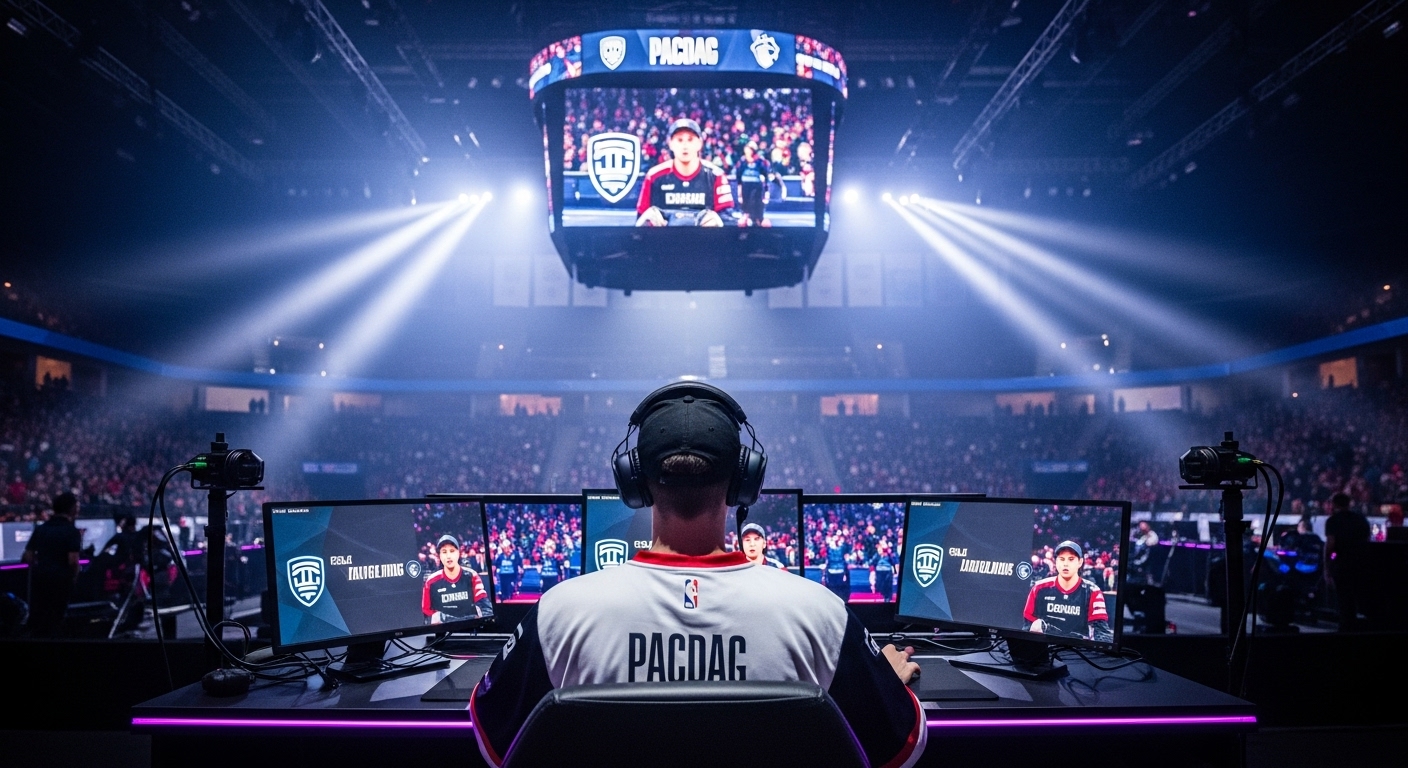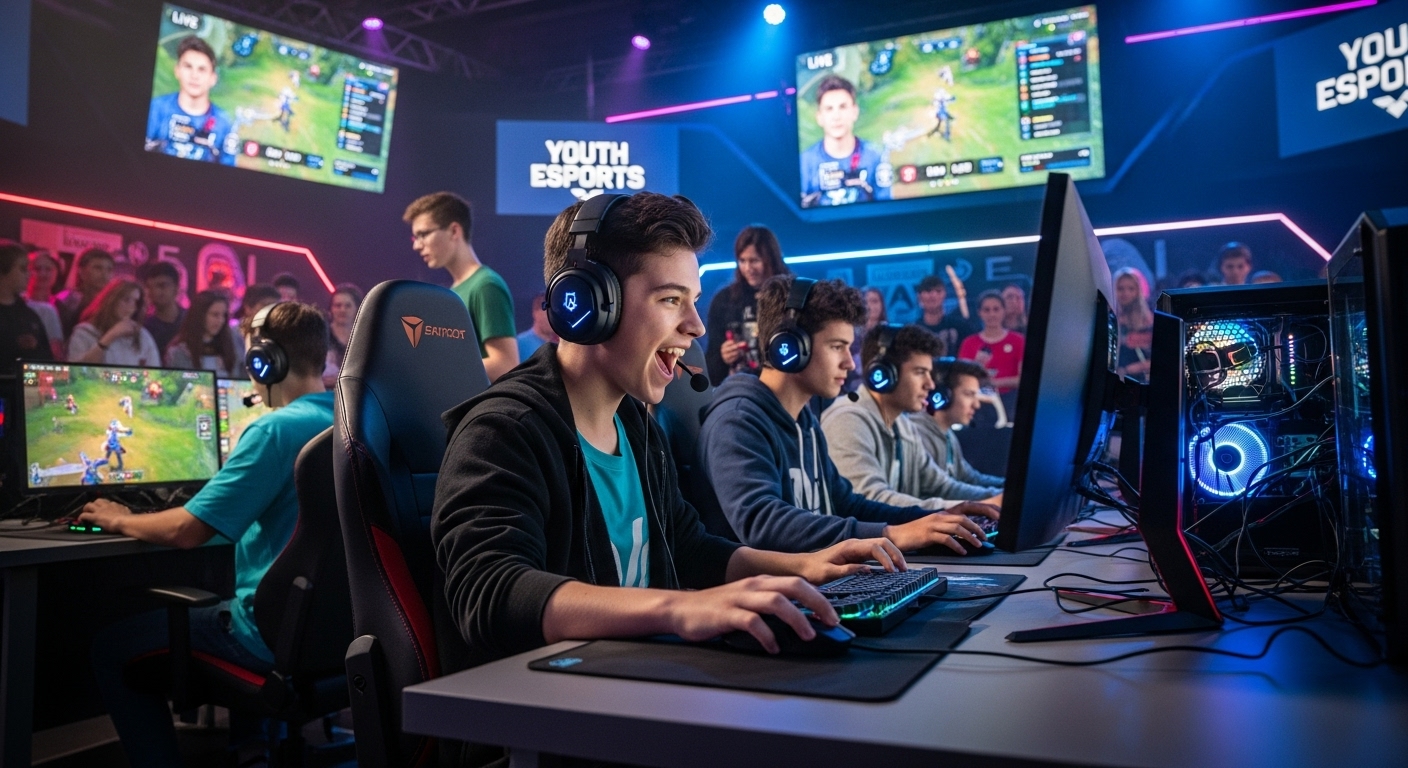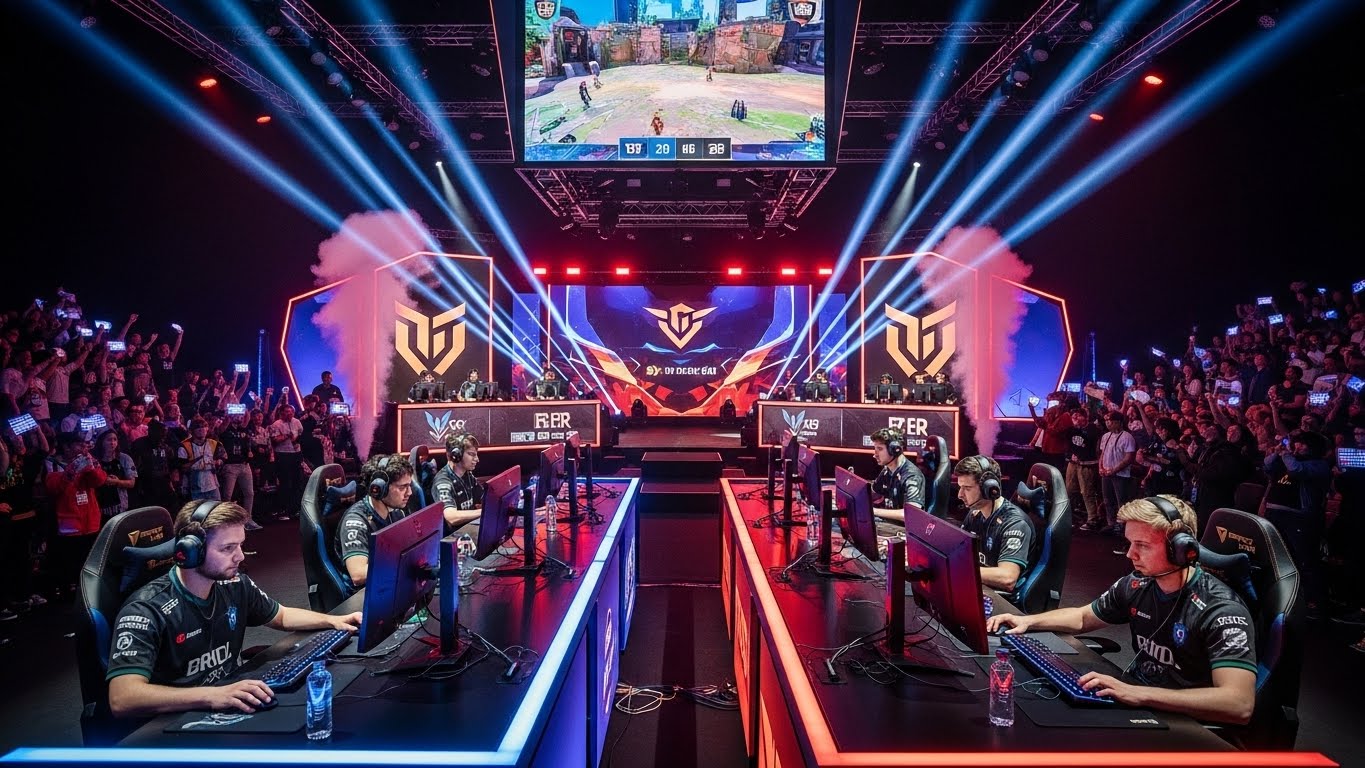
Esports has emerged as one of the most influential forms of modern entertainment, redefining how people perceive competition, sportsmanship, and digital interaction. What once began as casual video game contests among friends has evolved into a global industry with professional players, massive tournaments, and millions of dedicated fans. Esports now stands at the intersection of technology, culture, and competition, shaping a new era where digital skills rival physical athleticism. This blog explores the journey of esports, its impact on society, and its promising future.
Understanding the Concept of Esports
Esports, short for electronic sports, refers to organized competitive video gaming where individuals or teams compete in structured matches. These competitions take place in various genres, including strategy games, first-person shooters, sports simulations, and multiplayer online battle arenas. Unlike casual gaming, esports involves rigorous training, professional coaching, and formal tournaments. Matches are often broadcast to live audiences, both online and in physical arenas, making esports a spectator-driven form of entertainment comparable to traditional sports.
The Early Beginnings of Competitive Gaming
The roots of esports can be traced back to the late twentieth century when video games first gained popularity. Early competitions were small-scale events held in arcades or local venues, where players competed for high scores or bragging rights. As gaming consoles and personal computers became more accessible, competitive gaming communities began to form. These early players laid the groundwork for what would eventually become a structured and global esports ecosystem. The rise of internet connectivity played a crucial role, allowing players to compete beyond geographic boundaries.
Growth into a Global Industry
Over time, esports evolved from grassroots competitions into a professional industry. Game developers began supporting competitive play by designing games with balanced mechanics and spectator-friendly features. Tournament organizers created leagues with standardized rules and prize pools, attracting skilled players from around the world. Esports organizations emerged, signing players to contracts and providing training facilities, analysts, and support staff. This professional structure transformed esports into a sustainable industry with clear career pathways.
Esports as a Career Opportunity
For many, esports is no longer just a hobby but a full-time profession. Professional players dedicate long hours to practice, strategy development, and team coordination. Beyond playing, the esports ecosystem offers careers in coaching, commentary, event management, production, marketing, and content creation. Universities and institutions have begun recognizing esports by offering scholarships and academic programs related to gaming and digital media. This recognition has helped legitimize esports as a viable and respected career choice.
The Skill and Discipline Behind Esports
Contrary to common misconceptions, esports requires immense skill, discipline, and mental endurance. Players must develop quick reflexes, strategic thinking, and precise coordination. Competitive matches demand constant focus, adaptability, and teamwork. Professional players follow structured training schedules similar to traditional athletes, including practice sessions, performance reviews, and mental conditioning. The level of preparation highlights that esports is not merely about playing games but mastering complex systems under pressure.
Mental and Cognitive Benefits of Esports
Esports contributes significantly to cognitive development. Competitive gaming enhances problem-solving abilities, decision-making speed, and spatial awareness. Strategy-based games improve planning and resource management, while team games strengthen communication and leadership skills. Players learn to analyze opponents, predict outcomes, and adjust tactics in real time. These mental skills often translate into real-world benefits, supporting academic performance and professional growth outside gaming.
The Role of Streaming and Media
Media and streaming platforms have been instrumental in the rise of esports. Live broadcasts allow fans to watch matches, follow their favorite teams, and engage with the esports community. Viewers can experience the excitement of competitions through expert commentary and immersive visuals. Streaming has also enabled players to build personal brands, connect with fans, and generate income through content creation. This close interaction between players and audiences has made esports highly engaging and community-driven.
Esports and Community Culture
One of the defining features of esports is its strong sense of community. Fans, players, and creators interact through online platforms, forming networks based on shared interests. Local gaming events, amateur tournaments, and fan gatherings foster real-world connections. Esports communities are often inclusive, bringing together people from different cultures, backgrounds, and age groups. This sense of belonging helps combat isolation and demonstrates the social power of competitive gaming.
Economic Influence of Esports
The economic impact of esports is substantial and continues to grow. Revenue streams include sponsorships, advertising, merchandise, ticket sales, and media rights. Large tournaments generate economic activity by attracting tourism, creating jobs, and supporting local businesses. Brands outside the gaming industry have also recognized the value of esports audiences, investing in partnerships and sponsorships. This financial growth reflects esports’ increasing importance within the global entertainment economy.
Technological Innovation in Esports
Technology lies at the heart of esports development. Advancements in gaming hardware, internet infrastructure, and software design have enabled high-level competition. Data analytics tools help teams evaluate performance and refine strategies. Emerging technologies such as virtual reality and artificial intelligence are expected to further enhance training and viewing experiences. As technology evolves, esports will continue to push the boundaries of what digital competition can achieve.
Cultural Impact and Mainstream Acceptance
Esports has significantly influenced modern culture. Professional players are now seen as celebrities, inspiring fans and shaping trends in fashion, language, and online behavior. Esports tournaments attract viewership comparable to traditional sporting events, signaling mainstream acceptance. In some countries, esports athletes are recognized at a national level, representing their regions in international competitions. This cultural integration highlights esports’ role in shaping contemporary entertainment and identity.
Challenges Within the Esports Ecosystem
Despite its success, esports faces several challenges. Player burnout and mental health concerns are growing due to intense competition and demanding schedules. Issues such as cheating, unfair play, and lack of unified regulation threaten the integrity of competitions. Additionally, misconceptions about gaming persist, sometimes limiting broader acceptance. Addressing these challenges requires cooperation between developers, organizations, and communities to ensure a healthy and sustainable environment.
Inclusivity and Diversity in Esports
Esports has made progress toward inclusivity, though challenges remain. Historically dominated by men, the industry is gradually embracing diversity through initiatives that support women and underrepresented groups. Female players, commentators, and leaders are gaining visibility and recognition. Inclusivity efforts help create a more balanced and innovative competitive environment, proving that talent and dedication transcend gender and background.
The Future of Esports
The future of esports is filled with potential. As technology advances, competitions will become more immersive and accessible. Educational institutions are likely to further integrate esports into curricula, fostering talent from a young age. Global connectivity will continue to expand participation, allowing new regions to emerge as competitive hubs. Esports is poised to remain a central force in digital culture, continuously evolving alongside technological and social change.
Conclusion: Esports as a Modern Competitive Movement
Esports represents a powerful shift in how competition and entertainment are experienced in the digital age. It combines skill, strategy, technology, and community into a dynamic global phenomenon. Beyond games, esports offers opportunities for careers, creativity, and connection. As it continues to grow, esports challenges traditional definitions of sports and proves that virtual arenas can inspire real passion, discipline, and achievement. The rise of esports is not a trend but a lasting transformation in the world of competition.