Introduction
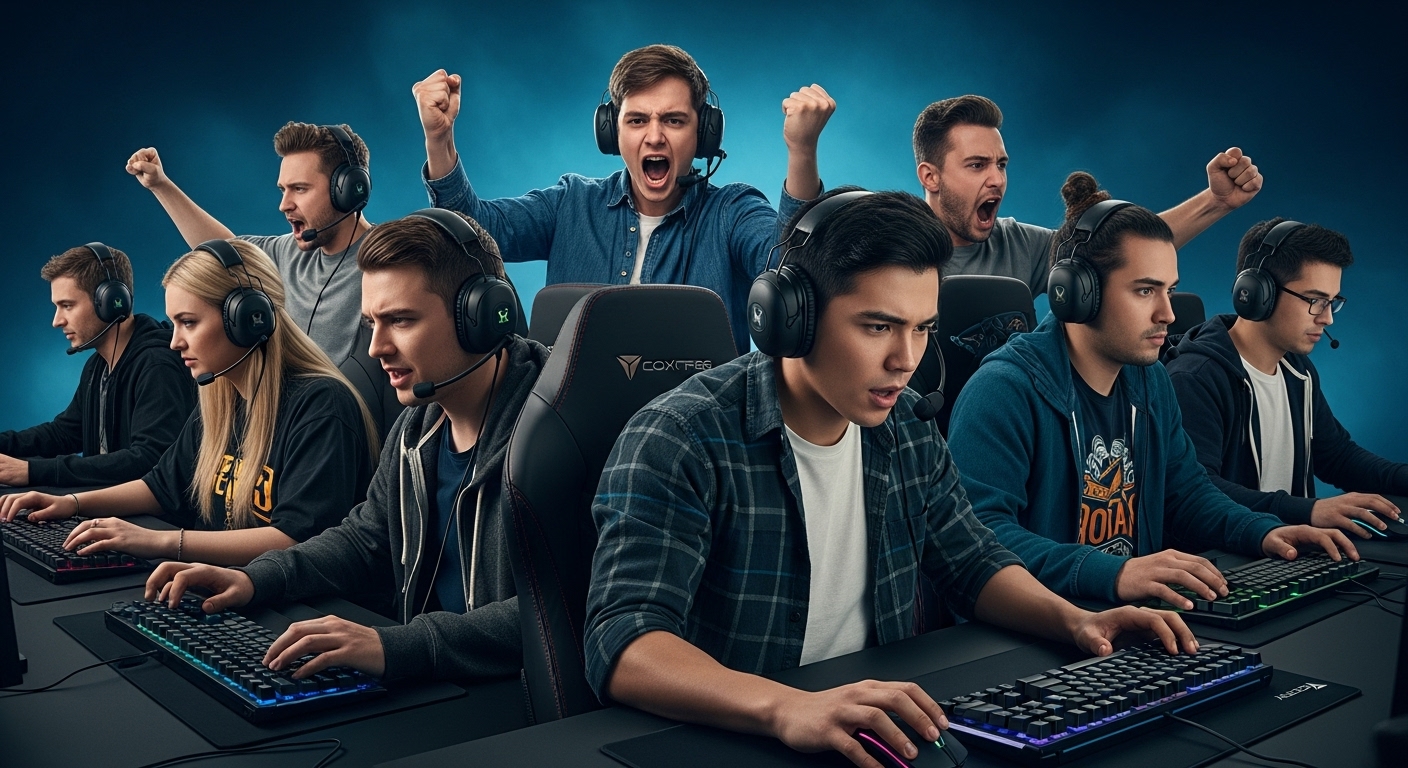
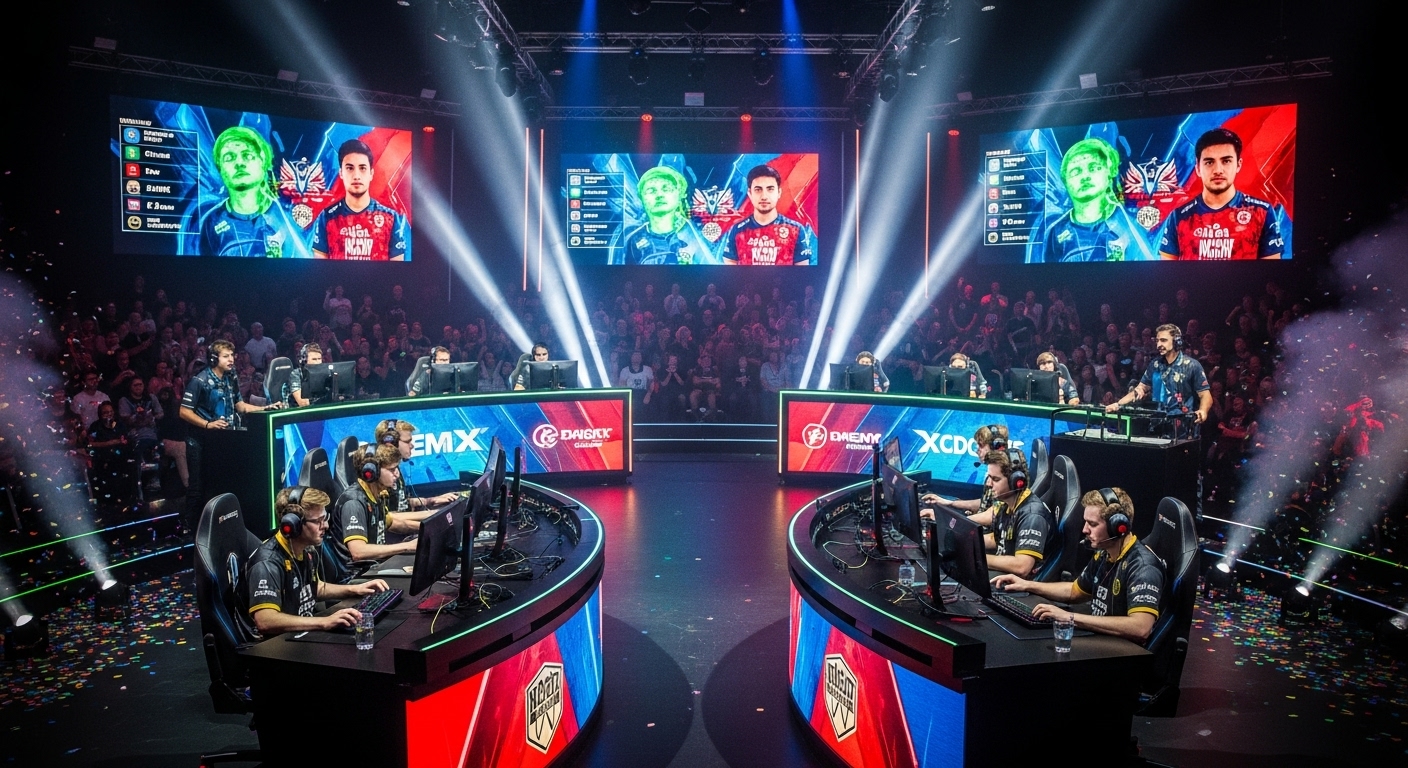
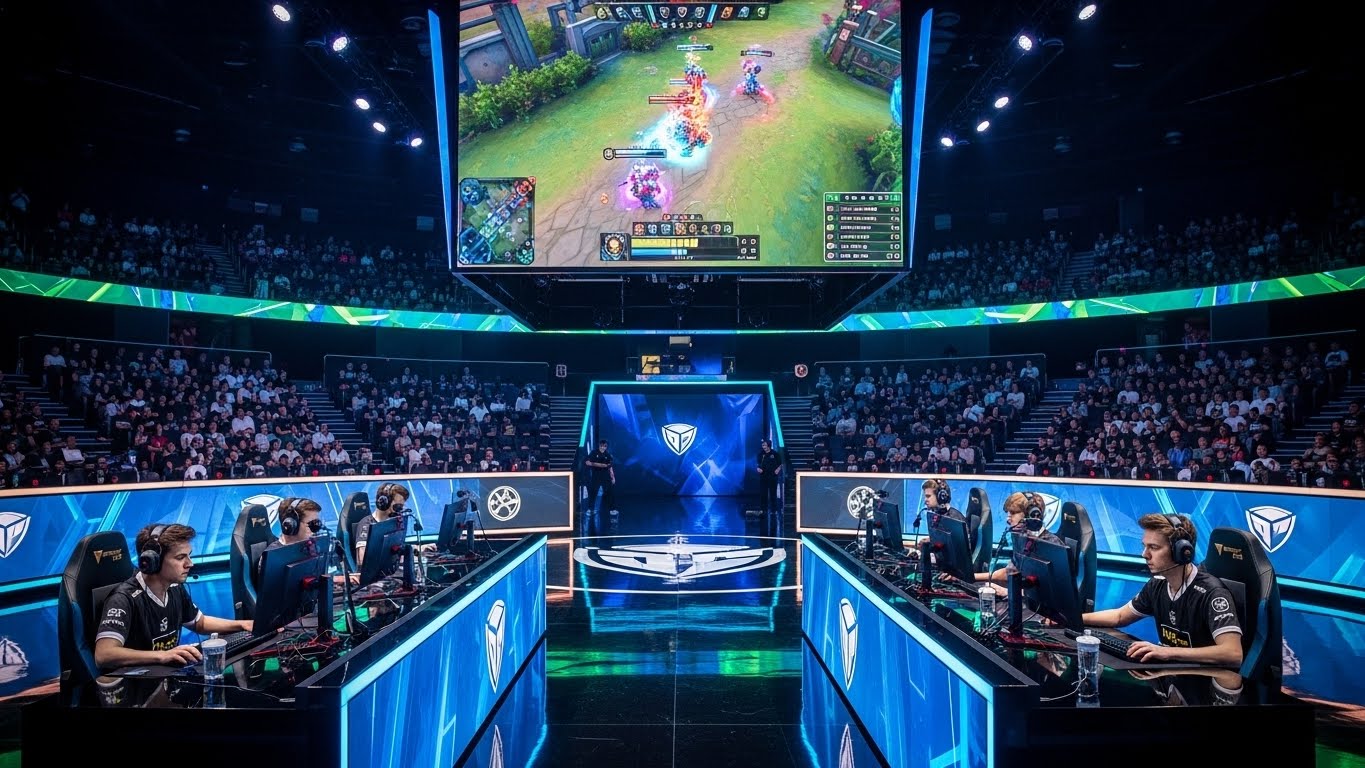
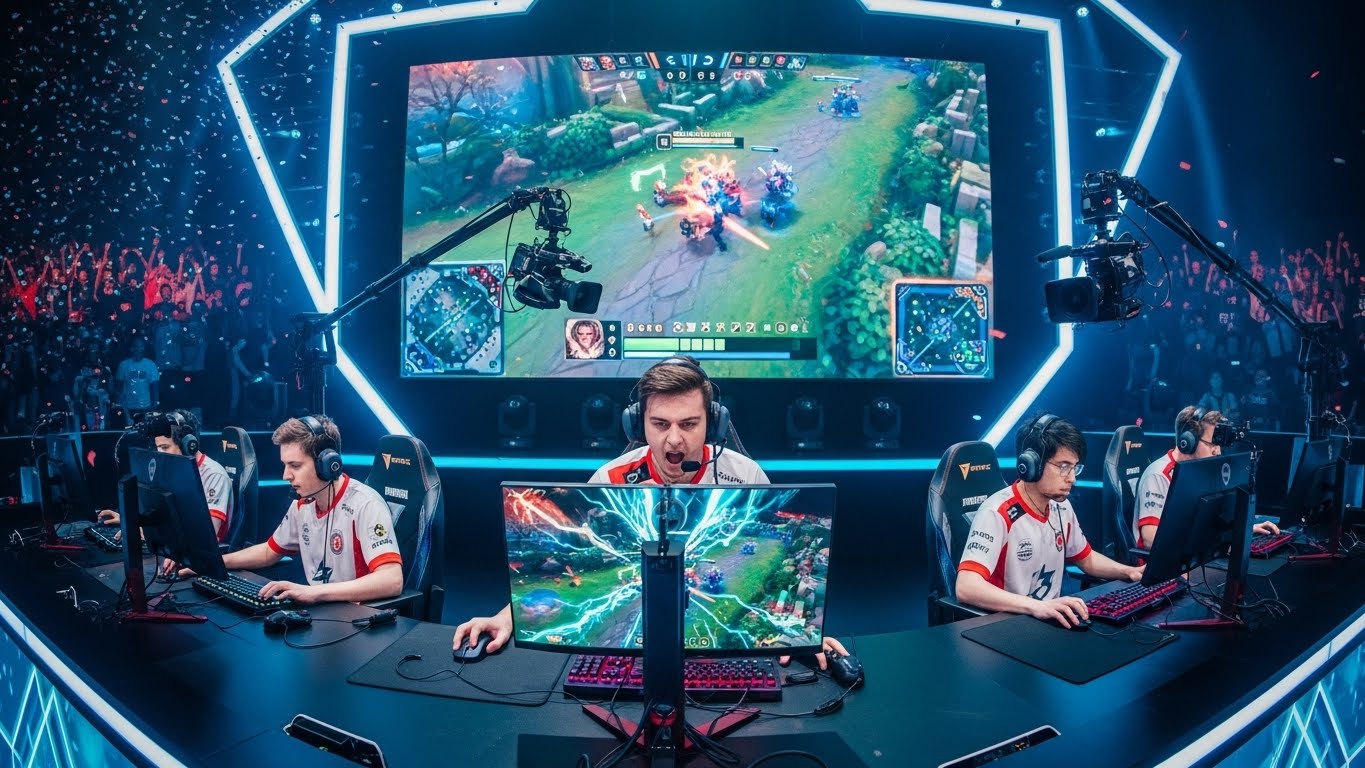
Over the past decade, esports has transformed from a niche hobby into a multi-billion-dollar global industry. What was once considered a pastime for teenagers has evolved into a legitimate career path, attracting professional players, massive audiences, and corporate sponsorships. Competitive gaming now rivals traditional sports in viewership and influence, with professional leagues, tournaments, and international championships drawing millions of fans worldwide. This blog explores the growth of esports, its cultural impact, the opportunities it presents, and the challenges it faces in the modern world.
The Evolution of Esports
The origins of esports can be traced back to the early 1970s, when competitive gaming began with simple arcade competitions. The 1980s and 1990s saw the rise of PC gaming and early consoles, providing platforms for multiplayer competitions. Games like Street Fighter, Mortal Kombat, and StarCraft began building communities around competitive play. However, the real turning point for esports came with the proliferation of the internet in the late 1990s, allowing players from different regions to compete in real-time. By the 2000s, organized tournaments, professional teams, and online streaming platforms laid the foundation for modern esports.
Popular Esports Games and Genres
Esports encompasses a variety of game genres, each with its own dedicated fan base. Multiplayer online battle arena (MOBA) games like League of Legends and Dota 2 emphasize teamwork and strategy. First-person shooters (FPS) such as Counter-Strike: Global Offensive and Call of Duty focus on precision, reflexes, and tactical decision-making. Fighting games like Tekken and Super Smash Bros. showcase individual skill and timing. Additionally, sports simulation games such as FIFA and NBA 2K have carved a niche within esports, attracting fans of traditional sports. Each game genre brings unique challenges and excitement, contributing to the broad appeal of competitive gaming.
Esports as a Career Path
For many young gamers, esports has become more than just a hobby—it is a viable career option. Professional esports players earn salaries, sponsorships, and prize money through tournaments. Top players often secure deals with gaming brands, streaming platforms, and merchandise collaborations. Beyond professional play, careers in esports include coaching, team management, event organization, content creation, and game development. The rise of esports academies and training programs has further legitimized it as a career path, offering structured guidance to aspiring professionals.
The Global Audience and Community
Esports has a vast and engaged global audience. Millions of fans tune in to watch live tournaments on streaming platforms, often interacting through chats and social media. Major events such as The International, the League of Legends World Championship, and the Fortnite World Cup attract viewers in the tens of millions, rivaling the Super Bowl in viewership. Esports communities thrive both online and offline, fostering collaboration, competition, and shared passion. The sense of belonging and identity within these communities has helped esports grow beyond just gameplay, becoming a cultural movement.
Streaming and Content Creation
Streaming platforms have played a pivotal role in the rise of esports. Platforms such as Twitch, YouTube Gaming, and Facebook Gaming allow players to broadcast live gameplay, interact with fans, and build personal brands. Streamers and content creators have become influential figures, shaping gaming culture and trends. Content creation also opens new revenue streams through subscriptions, donations, sponsorships, and ad revenue. Many professional players supplement their earnings by streaming, providing fans with behind-the-scenes access to practice sessions and personal lives. The interplay between streaming and esports has created a dynamic ecosystem that fuels engagement and growth.
The Business of Esports
Esports is no longer just about the games; it is a booming business industry. Organizations and teams operate like professional sports franchises, securing sponsorships from global brands, negotiating media rights, and merchandising products. Investors are increasingly recognizing esports as a lucrative opportunity, with funding pouring into teams, tournaments, and technology platforms. Major corporations, including tech companies, apparel brands, and beverage companies, actively sponsor events and athletes. This commercialization has enabled esports to scale rapidly, attracting mainstream attention and legitimizing it as a professional endeavor.
Esports and Education
The educational sector has also recognized the potential of esports. Universities and colleges worldwide are introducing esports programs, offering scholarships and degrees in gaming-related fields. These programs cover areas such as game design, event management, marketing, and player development. Academic institutions are increasingly partnering with professional esports organizations to provide hands-on experience, fostering the next generation of industry leaders. Beyond formal education, esports teaches valuable skills such as teamwork, strategic thinking, communication, and problem-solving, making it a meaningful tool for personal development.
Cultural Impact of Esports
Esports has profoundly influenced popular culture, blending entertainment, technology, and sports. Its impact can be seen in fashion, music, and digital media, with collaborations between gaming brands and mainstream artists becoming common. Cosplay, fan art, and community events celebrate gaming culture, creating vibrant subcultures. Esports has also challenged traditional perceptions of sports, broadening the definition to include virtual competition. The cultural significance of esports reflects its role as a global connector, bringing together people from diverse backgrounds around a shared passion.
Challenges Facing Esports
Despite its rapid growth, esports faces several challenges. Player burnout and mental health issues are prevalent due to intense training schedules and competitive pressure. Cheating, hacking, and unfair play threaten the integrity of competitions. Additionally, the industry grapples with issues of inclusivity and diversity, with underrepresentation of women and marginalized groups. Monetization and sustainability are ongoing concerns for smaller teams and organizations. Addressing these challenges is critical for the long-term viability of esports and requires collaboration among players, organizers, sponsors, and policymakers.
The Future of Esports
The future of esports looks promising, with technological advancements shaping new possibilities. Virtual reality and augmented reality could redefine gameplay experiences, creating immersive competitions that blend the physical and digital worlds. Artificial intelligence and data analytics are increasingly used to enhance player performance and spectator engagement. Esports is also poised to expand into new regions, reaching untapped markets and diverse audiences. As mainstream recognition grows, esports may become a staple of global entertainment, bridging the gap between traditional sports, digital culture, and interactive technology.
Conclusion
Esports has evolved from a hobby into a cultural and economic powerhouse, redefining entertainment and competition in the digital age. Its growth reflects the convergence of technology, creativity, and human passion, attracting millions of fans and professionals worldwide. While challenges remain, the opportunities for players, businesses, and communities are immense. As esports continues to expand, it will shape the future of gaming, entertainment, and even education, solidifying its place as a global phenomenon. Competitive gaming is no longer just a pastime; it is a transformative force, connecting people and redefining what it means to compete and succeed in the modern world.