Introduction
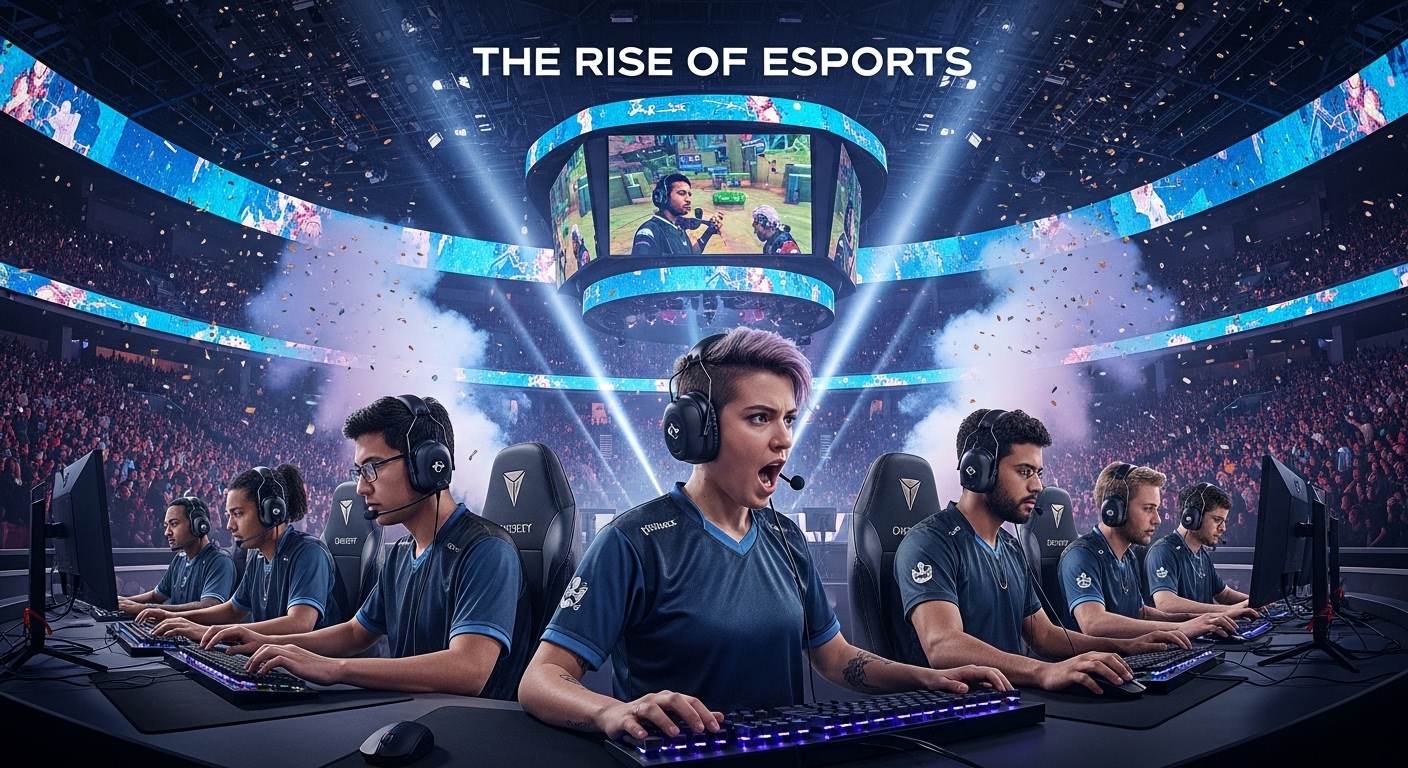
In the world of modern entertainment, few phenomena have risen as rapidly and powerfully as esports. What began as friendly competitions among gamers has evolved into a global industry worth billions, uniting players, fans, and sponsors from every corner of the world. Esports, or electronic sports, refers to organized competitive gaming where individuals or teams compete in video games at a professional level. From massive tournaments filling stadiums to millions of viewers tuning in online, esports has become one of the most influential forms of entertainment in the twenty-first century.
This blog explores the evolution of esports, its global impact, technological backbone, cultural significance, and the future that awaits this ever-growing digital phenomenon.
The Origins of Esports
The concept of competitive gaming is not new. It dates back to the early days of video games in the 1970s and 1980s. One of the first recorded video game competitions took place in 1972 at Stanford University, where students competed in the game “Spacewar.” During the 1980s, arcade games like “Pac-Man” and “Donkey Kong” fueled a competitive spirit among players eager to achieve the highest scores.
However, esports as we know it began to take shape in the 1990s with the rise of personal computers and local area network (LAN) gaming. Titles like “Quake,” “StarCraft,” and “Counter-Strike” became the cornerstones of early esports, allowing players to test their skills against one another in real-time multiplayer environments. The advent of broadband internet in the 2000s transformed these local competitions into global ones, giving birth to professional gaming leagues and international tournaments.
The Growth of a Global Industry
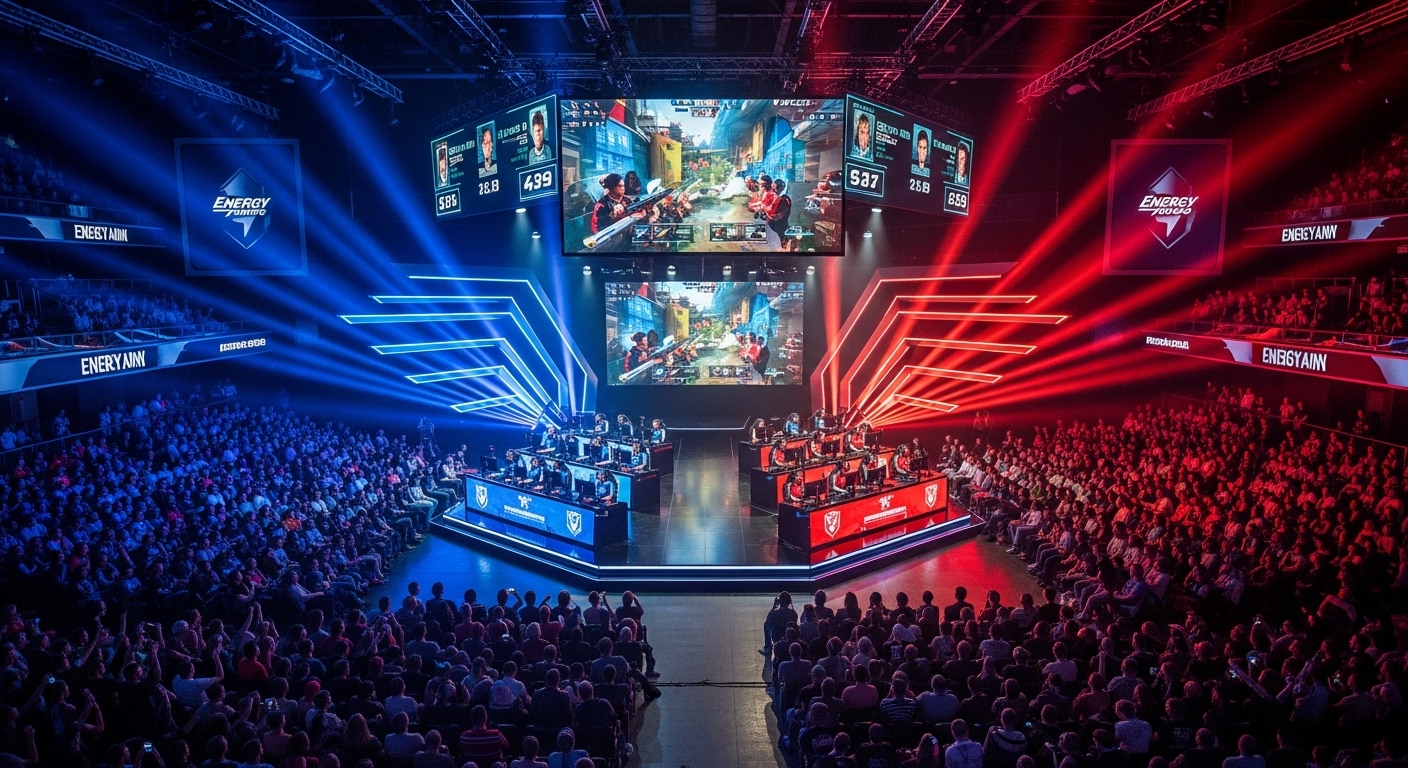
Esports has experienced exponential growth over the past two decades. Today, it is a massive global industry that rivals traditional sports in popularity and influence. Major tournaments such as those for “League of Legends,” “Dota 2,” and “Counter-Strike: Global Offensive” attract millions of viewers and offer prize pools worth millions of dollars. Esports organizations have professional teams, coaches, analysts, and even nutritionists, treating their players with the same seriousness and professionalism as athletes in traditional sports.
The rapid expansion of the internet, along with platforms that allow live broadcasting, has made esports easily accessible to fans worldwide. Viewers can watch tournaments, follow their favorite teams, and interact with players in real time. This accessibility has created a deeply engaged community that supports esports both emotionally and financially.
Technology: The Foundation of Esports
Technology lies at the heart of esports’ success. High-performance gaming hardware, advanced graphics, and ultra-fast internet connections have made online competitions smooth and reliable. The rise of cloud computing and game streaming technology continues to eliminate barriers to participation, enabling players from all backgrounds to compete globally.
Artificial intelligence is also making an impact, enhancing gameplay experiences and providing data-driven insights for teams. AI systems analyze player behavior, game strategies, and opponent weaknesses, helping teams refine their performance.
Moreover, virtual reality and augmented reality promise to redefine the esports experience in the near future. These technologies will allow players and audiences alike to engage with games in new immersive ways, making competition even more dynamic and captivating.
The Rise of Professional Players and Teams
Professional esports athletes are the new generation of digital competitors. Their training routines mirror those of physical athletes, requiring focus, coordination, communication, and discipline. Players practice for hours daily to master in-game mechanics, develop strategies, and work on teamwork dynamics.
Teams are often managed by professional organizations that handle contracts, sponsorships, and branding. Popular esports franchises such as “Team Liquid,” “Cloud9,” and “Fnatic” are recognized worldwide, much like football or basketball clubs. They participate in various leagues, compete in major tournaments, and build fan bases across continents.
Just like traditional athletes, esports players enjoy fame, sponsorship deals, and substantial prize earnings. Some players even transition into careers as coaches, analysts, or content creators after retiring from professional competition.
Esports as a Spectator Sport
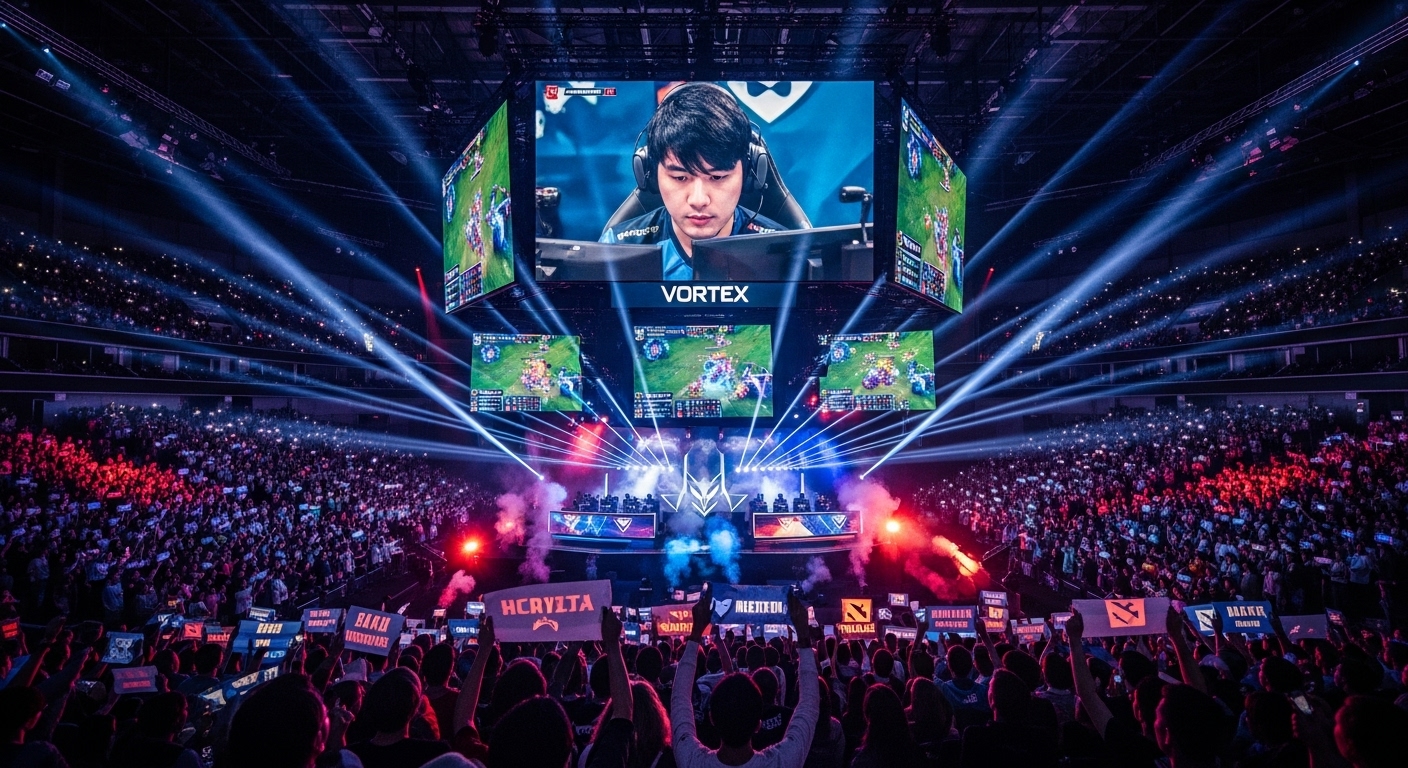
What truly sets esports apart is its ability to engage massive audiences. Esports events regularly draw millions of viewers online and fill stadiums in major cities. The excitement, commentary, and production value rival that of traditional sports events. Fans cheer for their favorite teams, discuss tactics, and celebrate victories just as passionately as fans of football or basketball.
Commentary and analysis play a crucial role in esports entertainment. Skilled commentators explain gameplay mechanics, strategies, and pivotal moments, helping both casual viewers and hardcore fans understand the depth of competition. Esports broadcasts often include detailed graphics, statistics, and replays, creating an immersive viewing experience.
The digital nature of esports also allows for global accessibility. Fans from Asia, Europe, North America, and beyond can tune in simultaneously, creating a shared global culture of digital competition.
Economic Impact of Esports
Esports is not just entertainment—it is a thriving economic ecosystem. Revenue streams come from sponsorships, advertising, ticket sales, merchandise, and digital purchases. Global brands have recognized the marketing power of esports, partnering with teams, players, and events to reach younger, tech-savvy audiences.
Esports tournaments now attract sponsorships from companies ranging from tech giants to automobile and beverage brands. These partnerships contribute to the industry’s financial sustainability and help it continue expanding into mainstream markets.
Furthermore, esports creates employment opportunities beyond professional gaming. The industry supports careers in event management, broadcasting, marketing, content creation, software development, and more. Entire cities have begun hosting esports arenas and conventions, boosting tourism and local economies.
The Role of Esports in Education
Esports has also found its place in the world of education. Many universities now offer esports scholarships and academic programs focusing on game design, broadcasting, and management. Competitive gaming encourages teamwork, strategic thinking, and communication—skills that are valuable both inside and outside of the gaming world.
Educational institutions recognize that esports can foster leadership, discipline, and creativity among students. School-level esports leagues are on the rise, providing young players with opportunities to develop their talents while pursuing academic goals. This growing integration of esports into education demonstrates its potential as a legitimate and influential discipline.
Cultural Influence and Community Building
Esports has become a cultural phenomenon that brings together people from diverse backgrounds. It bridges gaps between languages and nations, creating a universal community centered around shared passion. The inclusivity of esports allows anyone with a computer or console and internet access to participate, removing many of the barriers found in traditional sports.
Cultural representation in esports is also expanding. Different regions have developed their own gaming cultures, from Korea’s dominance in strategy games to Europe’s expertise in tactical shooters. Global tournaments showcase this diversity and encourage cross-cultural exchange.
Esports has also played a role in redefining perceptions of gaming. Once seen as an isolated activity, gaming is now celebrated as a collaborative and competitive pursuit that demands intelligence, creativity, and discipline.
Challenges Facing the Esports Industry
Despite its success, esports faces several challenges. One major issue is player burnout. The intense training schedules, frequent travel, and pressure to perform can take a toll on players’ physical and mental health. As a result, many professional gamers retire early compared to traditional athletes.
Another challenge is maintaining fair competition. Cheating, hacking, and match-fixing have occasionally surfaced in the industry, threatening its integrity. However, regulatory bodies and organizations continue to implement strict rules, anti-cheat systems, and monitoring to ensure fairness.
The esports industry also grapples with maintaining financial stability for smaller teams and independent players. While top organizations thrive, others struggle to secure funding and sponsorship. Establishing sustainable career paths and fair revenue distribution remains an ongoing goal.
The Future of Esports
The future of esports is filled with endless possibilities. As technology advances, new genres, platforms, and experiences will emerge. The integration of virtual reality, artificial intelligence, and blockchain technology may redefine how competitions are conducted and how fans interact with their favorite teams.
Esports is likely to become even more mainstream, with potential inclusion in global sporting events. Discussions have already begun about recognizing esports as an official discipline in international competitions. With growing legitimacy, more institutions and governments are supporting its development through policies, infrastructure, and education.
Furthermore, the rise of mobile esports ensures that competitive gaming will reach an even broader audience. In many regions, mobile devices are the primary means of accessing games, allowing millions of new players to join the competitive scene.
Esports and Society
Esports reflects the digital transformation of modern society. It highlights how technology can bring people together, create new forms of art, and foster economic growth. Beyond competition, esports represents creativity, innovation, and collaboration. It empowers individuals to pursue their passion, build communities, and achieve success in a rapidly changing world.
The sense of belonging that esports fosters cannot be overstated. Fans form lasting friendships, share experiences, and celebrate victories together. Esports has proven that meaningful social connections can thrive in digital spaces.
Conclusion
Esports stands as one of the most remarkable developments in modern entertainment. It blends competition, technology, and culture into a dynamic and inclusive global movement. From small LAN parties to sold-out arenas, esports has redefined what it means to compete and entertain in the digital age.
As it continues to evolve, esports will remain a powerful symbol of human innovation and connectivity. It represents a new era of play—one that transcends borders, challenges conventions, and inspires future generations. The digital arena has only just begun its journey, and its potential to shape the future of global entertainment is limitless.