Introduction: The Rise of Esports in the Modern World
In the last decade, esports has evolved from a niche hobby into a global phenomenon. What started as friendly competitions between gamers has transformed into an industry worth billions of dollars, captivating millions of fans worldwide. Esports, or competitive video gaming, now spans across various platforms and genres, ranging from multiplayer online battle arena games like League of Legends to first-person shooters like Counter-Strike: Global Offensive and Overwatch. With high-profile tournaments, massive streaming audiences, and professional teams that rival traditional sports in terms of organization and popularity, esports has become one of the most exciting and fast-growing sectors in the entertainment industry.
Esports is no longer just for the passionate gamer. It has captured the attention of global corporations, media networks, and even governments, all of whom are beginning to recognize the immense value of competitive gaming as a business and cultural force. In this blog post, we will explore the evolution of esports, its current landscape, the impact it has had on society, and what the future holds for this dynamic industry.
The Evolution of Esports: From Arcade Games to Global Tournaments
The origins of esports can be traced back to the 1970s, when competitive gaming began taking shape in arcades. The first recognized esports event was the Space Invaders Championship, held in 1980 by Atari. This was the beginning of what would eventually evolve into a massive, global industry. Throughout the 1980s and 1990s, various arcade games and early console systems saw the emergence of local tournaments, albeit on a much smaller scale.
However, it wasn’t until the late 1990s and early 2000s that esports truly began to take off, particularly with the rise of online multiplayer games. StarCraft, a real-time strategy game released in 1998, became one of the first games to foster a competitive gaming community. It sparked the creation of professional leagues, notably in South Korea, where esports gained substantial popularity. The South Korean government recognized the potential of esports, and by the early 2000s, the country had established dedicated gaming channels and organized tournaments, marking the first steps towards professional esports.
The early 2000s also saw the rise of first-person shooters like Counter-Strike and Quake, which attracted a dedicated following of players and fans. These games introduced a new level of competition, with professional teams forming around them, competing for large cash prizes and sponsorships. Streaming platforms like Twitch and YouTube provided the infrastructure for players to broadcast their gameplay to a global audience, creating an interconnected esports ecosystem that would later fuel the industry’s explosive growth.
The Growth of Esports: From Hobby to Multi-Billion Dollar Industry
Esports truly hit the mainstream in the 2010s, with the proliferation of digital platforms, social media, and increased investment from global brands. Major gaming titles such as League of Legends, Dota 2, Overwatch, and Fortnite helped solidify esports as a professional sport. League of Legends (LoL), developed by Riot Games, became one of the most prominent games in the esports world, with its competitive league—the League of Legends Championship Series (LCS)—growing into one of the most-watched and commercially successful esports events globally. The success of LoL helped demonstrate that esports could be as commercially viable as traditional sports.
The increase in sponsorships, media rights deals, and advertising has led to exponential growth in the esports industry. By 2021, the global esports market was valued at over $1 billion, with projections to reach $1.62 billion by 2024. Brands across various industries, from technology and automotive to food and beverage, began investing in esports sponsorships, recognizing the opportunity to engage with a young, tech-savvy, and highly engaged audience.
The rise of esports broadcasting and streaming platforms has also been a significant factor in the growth of the industry. Platforms like Twitch, YouTube Gaming, and Facebook Gaming provide a space for gamers to stream their content, interact with fans, and grow their following. Esports events, once confined to small arenas, are now broadcast live to millions of viewers worldwide, with major tournaments being aired on national television in certain regions. The Fortnite World Cup in 2019, for instance, boasted a prize pool of $30 million and attracted over 2 million viewers on Twitch, highlighting the potential for esports to rival traditional sports in terms of viewership.
Esports as a Profession: The Rise of Professional Gamers
One of the most transformative aspects of the esports boom has been the emergence of professional gamers as legitimate athletes in their own right. Players in top-tier teams now earn salaries comparable to professional athletes in traditional sports. Successful players can sign multi-year contracts with esports organizations, receive sponsorships, and generate income through streaming, social media, and merchandise sales.
Esports players also benefit from training regimens and support systems akin to traditional sports teams. Many esports organizations employ coaches, analysts, and psychologists to help players improve their skills, develop strategies, and maintain mental health. Just like professional athletes in sports such as basketball or football, esports players have to hone their skills, maintain peak performance, and travel the world to compete in various tournaments.
One notable example of a professional esports player is Faker, a South Korean League of Legends player widely regarded as one of the greatest gamers of all time. Faker’s success, coupled with his endorsement deals and the fame he has achieved, has made him a global icon in the esports community. He has earned millions through sponsorships, tournament prizes, and streaming revenue, cementing his place in the esports hall of fame.
The financial success of esports players has also led to the development of esports agencies and management firms, which represent gamers in sponsorship negotiations and other business ventures. This professionalization of the esports industry mirrors the structure of traditional sports, where players’ careers are managed by agents and advisors to maximize their earnings potential.
Esports Tournaments: The Grand Spectacles of Competitive Gaming
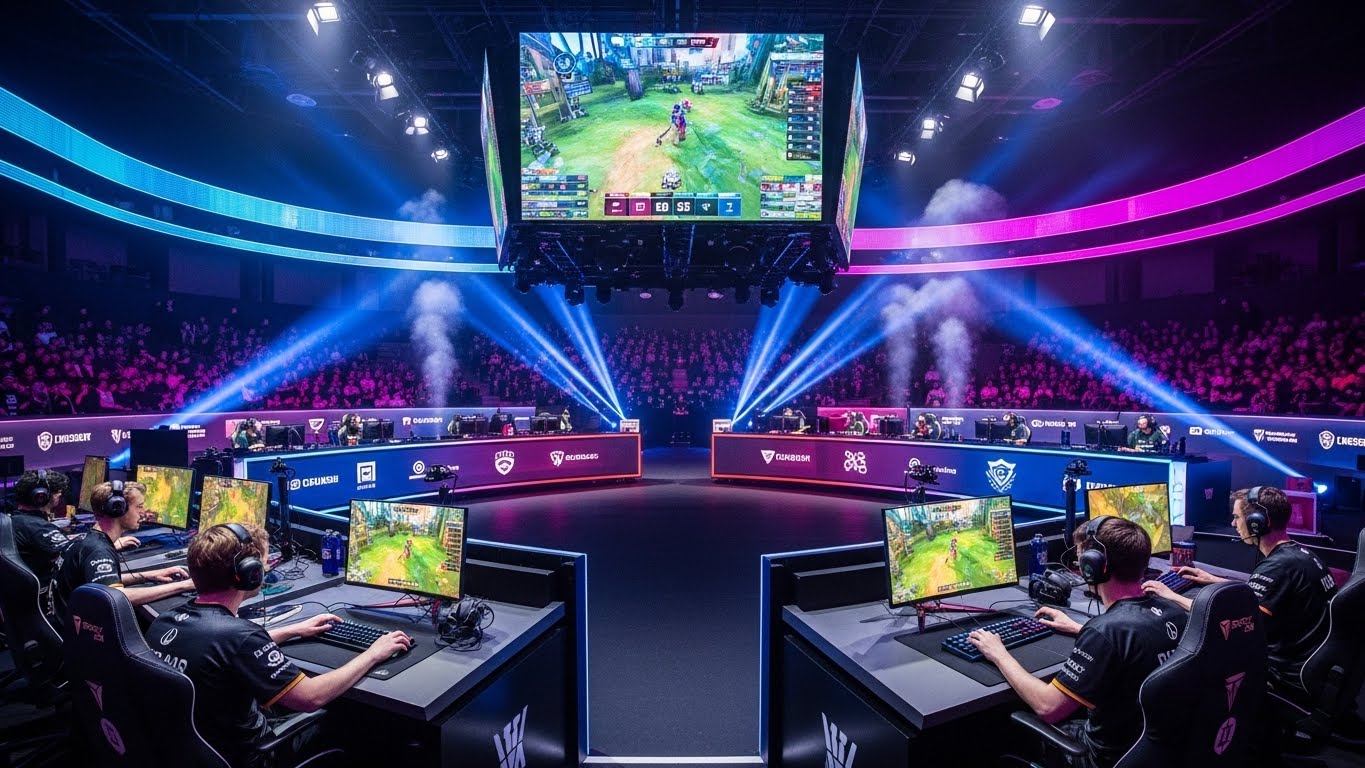
Esports tournaments have become the crown jewels of the gaming industry. Major tournaments such as The International (for Dota 2), The League of Legends World Championship, and The Overwatch League now attract millions of viewers worldwide. These tournaments are held in massive arenas, with thousands of fans attending in person to watch the action unfold live. Online streaming platforms, particularly Twitch, ensure that even more viewers can participate in the event remotely, often leading to real-time fan engagement through live chats and social media.
The prize pools for these tournaments have grown to staggering levels, with The International offering prize pools that exceed $40 million, making it one of the most lucrative gaming events in the world. This immense prize pool has helped elevate the level of competition, attracting top-tier players from around the globe, all vying for a share of the winnings. These high-stakes tournaments have elevated esports to a level of professional competition on par with traditional sports.
Beyond the tournaments themselves, esports events have become full-scale entertainment spectacles. Major esports events are often accompanied by elaborate opening ceremonies, live performances, and even celebrity appearances. This blending of gaming with mainstream entertainment has helped solidify esports as a legitimate form of entertainment that appeals to a wide range of audiences, from hardcore gamers to casual viewers.
Esports and the Community: A Global, Inclusive Culture
One of the most compelling aspects of esports is its global and inclusive nature. Unlike traditional sports, which are often confined to specific geographical regions, esports can be played by anyone with an internet connection. This has allowed the esports community to flourish worldwide, with competitive gaming leagues, tournaments, and fanbases emerging in every corner of the globe. Whether it’s the League of Legends European Championship, the Call of Duty League in North America, or the PUBG Mobile tournaments in Southeast Asia, esports provides a platform for players from all walks of life to compete on a global stage.
Esports also fosters a sense of inclusivity and accessibility. Unlike traditional sports, where athletes are often limited by physical requirements or regional resources, esports allows players from diverse backgrounds, abilities, and regions to participate. The barrier to entry is relatively low, with many players starting out in their bedrooms with nothing more than a computer or gaming console. This makes esports one of the most inclusive and diverse spaces in the entertainment industry.
Furthermore, the culture surrounding esports is built on collaboration and community. Gamers often form friendships, networks, and support systems through online gaming platforms, where they can interact with other players, join teams, and discuss strategies. This sense of camaraderie has helped create a strong esports community that is both global and deeply connected, with fans and players alike sharing a common passion for gaming.
The Future of Esports: What Lies Ahead
As esports continues to grow, the future looks incredibly promising. The increasing mainstream recognition of esports, particularly among younger audiences, suggests that it will continue to thrive. The development of new gaming technologies, such as virtual reality (VR) and augmented reality (AR), has the potential to further enhance the gaming experience, opening up new possibilities for immersive competitions and fan engagement.
The potential for esports to become an Olympic event has also been a topic of much discussion. While esports has yet to be included in the Olympic Games, the growing recognition of esports as a legitimate sport may lead to its eventual inclusion. Several national sporting bodies are already taking steps to recognize esports as an official sport, and many see the integration of esports into the Olympics as an inevitable step in the future.