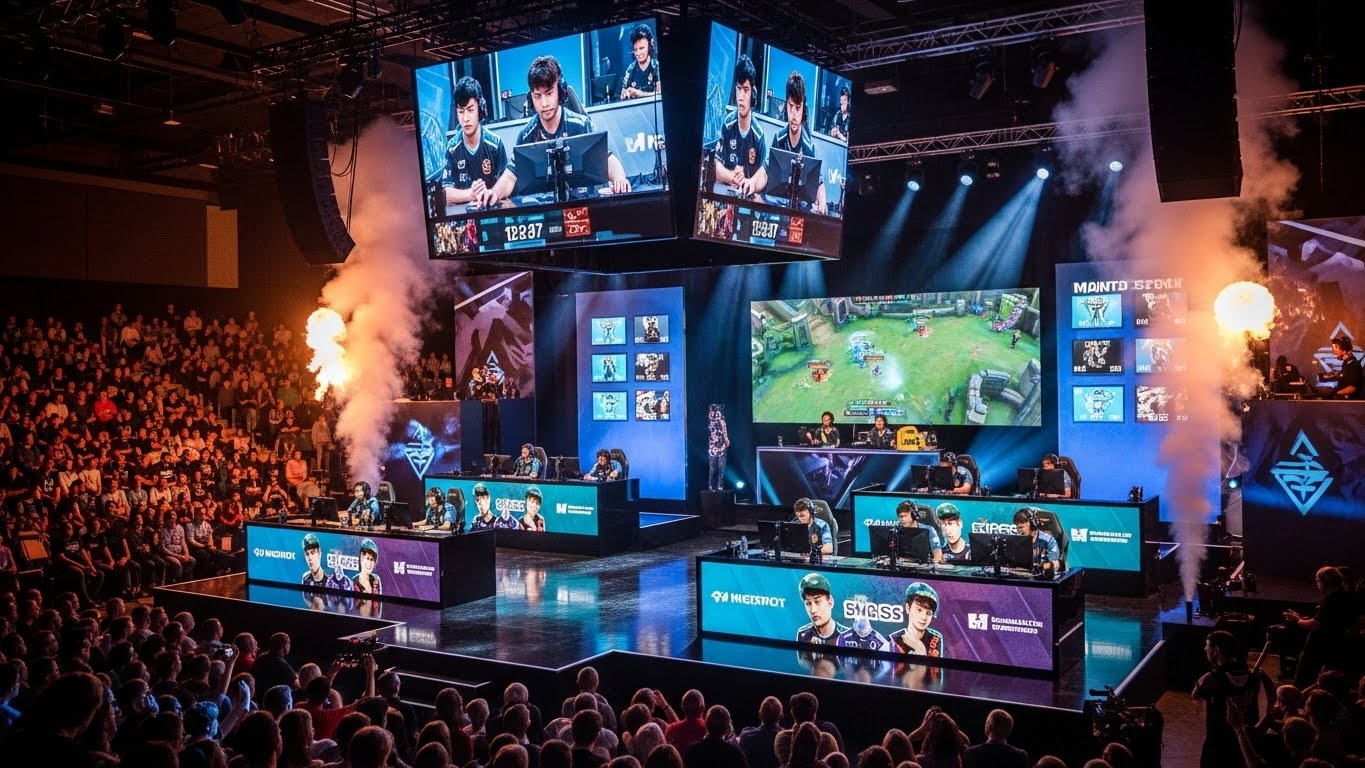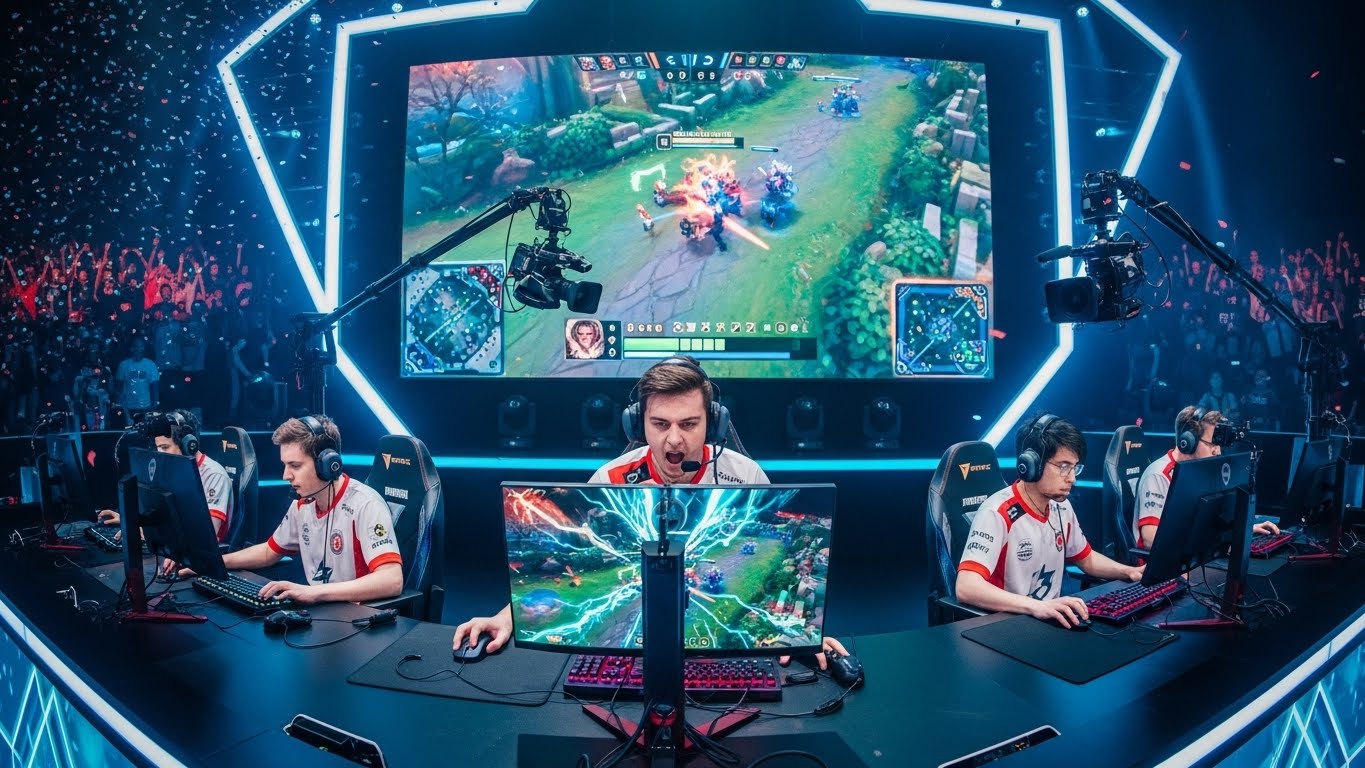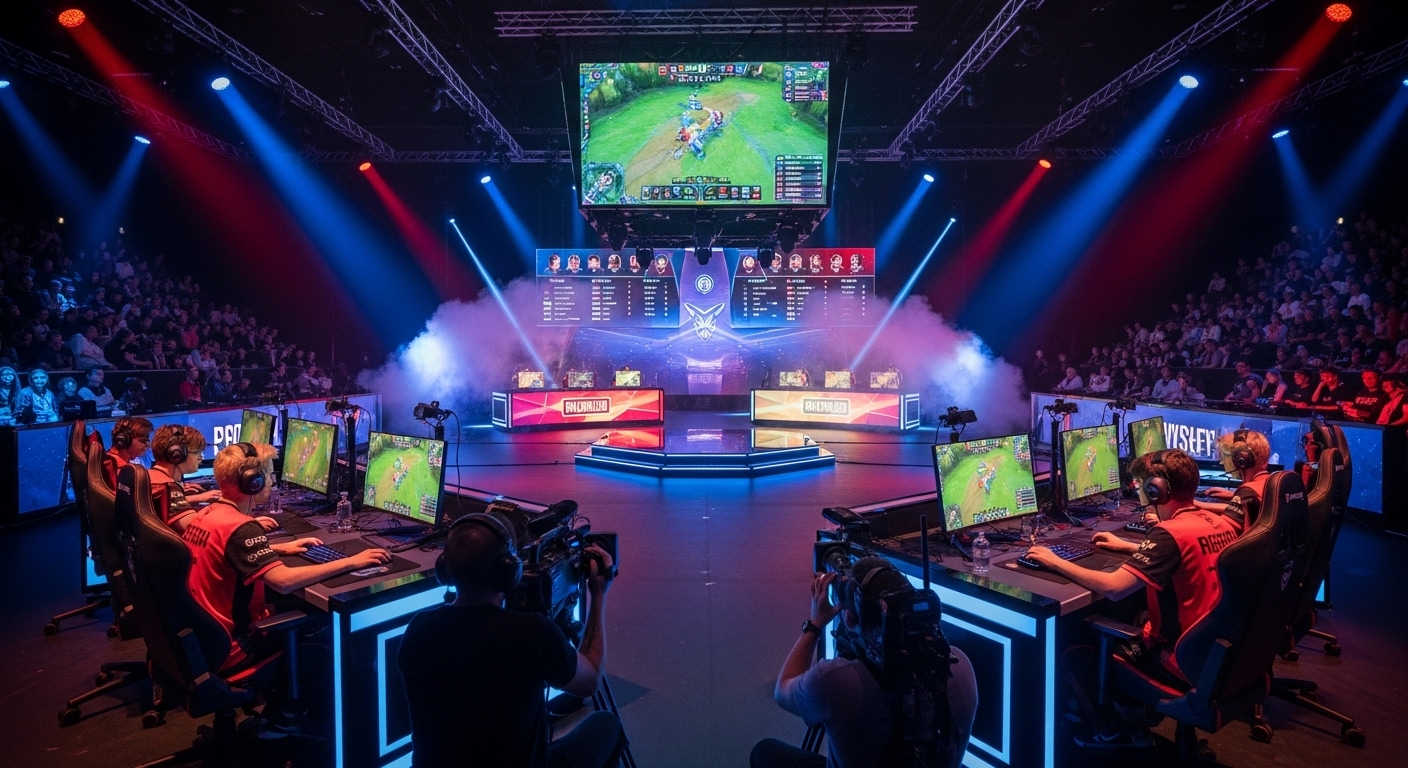
Esports, short for electronic sports, has emerged as one of the most dynamic and rapidly growing industries in the entertainment sector. What began as a niche community of competitive gamers has transformed into a global phenomenon, drawing millions of viewers, massive sponsorships, and even recognition as a professional sport. From competitive video gaming tournaments to live streaming and esports leagues, the evolution of esports has been nothing short of extraordinary. In this blog post, we will explore the rise of esports, its impact on the gaming community, and the broader entertainment industry, as well as where it might be headed in the future.
The Origins of Esports: From Arcade Games to Online Competitions
The history of esports can be traced back to the early days of video gaming. In the 1970s and 1980s, arcades were the primary location for gaming enthusiasts to come together and test their skills. Games like Space Invaders, Pac-Man, and Donkey Kong were wildly popular, and local competitions were often organized in arcades. However, it wasn’t until the 1990s that competitive gaming began to take shape in a more formalized way.
As home computers and consoles became more powerful, online multiplayer games emerged, allowing players to compete with one another from the comfort of their own homes. Titles like Quake and StarCraft helped set the stage for what would become the modern esports scene. In the late 1990s and early 2000s, the rise of online gaming platforms like Battle.net and the launch of competitive games like Warcraft III and Counter-Strike paved the way for larger-scale online tournaments.
One of the earliest milestones for esports was the formation of tournaments and leagues that offered cash prizes. The Red Annihilation tournament in 1997, which was held for the game Quake, is often considered one of the first true esports events. This competition garnered significant attention and marked the beginning of a movement that would eventually lead to the professionalization of esports.
The Growth of Esports: Establishing Global Competitions
As the internet grew more accessible and high-speed connections became more common, esports began to expand beyond local competitions to global events. The early 2000s saw the creation of major esports tournaments such as The World Cyber Games and ESL (Electronic Sports League), both of which attracted professional players and large audiences. These competitions featured popular games such as Warcraft III, Counter-Strike, and StarCraft: Brood War.
By the mid-2000s, esports began to gain mainstream recognition, especially in South Korea, where gaming was already deeply integrated into the culture. In fact, South Korea is widely regarded as the birthplace of professional esports, with games like StarCraft becoming national pastimes. Korean esports leagues, such as the Proleague, began to draw huge crowds, and players became celebrities, with some even achieving the status of national heroes.
The rise of streaming platforms like Twitch in the early 2010s provided a massive boost to the esports industry. Twitch, which allows gamers to broadcast their gameplay live to audiences around the world, played a pivotal role in turning esports into a spectator sport. Esports tournaments began to be streamed online, attracting millions of viewers who tuned in to watch their favorite players compete in real time.
By the 2010s, esports had solidified its place as a mainstream form of entertainment. Major tournaments, such as The International for Dota 2, the League of Legends World Championship, and the Overwatch League, began to draw audiences in the tens of millions. These tournaments featured multi-million-dollar prize pools, sponsorships from major global brands, and extensive media coverage. Esports had officially entered the global spotlight.
The Economics of Esports: Sponsorships, Prize Money, and Media Rights
One of the driving forces behind the rise of esports has been its economic growth. The esports industry generates billions of dollars annually, driven by sponsorships, media rights, advertising, merchandise sales, and ticket sales for live events. As esports became more organized, it attracted investments from major corporations, including traditional sports franchises, tech companies, and global brands.
Sponsorships are a key source of revenue for esports teams and events. Major companies such as Intel, Coca-Cola, Nike, and Red Bull have all sponsored esports tournaments and teams, further legitimizing the industry. These sponsorships allow teams to pay players salaries and create world-class facilities for training and practice.
Prize money is another significant driver of esports’ growth. The prize pools for major esports tournaments can reach staggering amounts, with The International, an annual Dota 2 tournament, offering one of the largest prize pools in all of esports—often surpassing $30 million. These large cash prizes incentivize players to compete at the highest levels and attract new talent to the industry.
Media rights have also played a huge role in the economic expansion of esports. As streaming platforms like Twitch and YouTube Gaming gained prominence, esports organizations realized the potential to monetize their content through advertising and exclusive streaming deals. Large-scale tournaments have signed lucrative broadcasting contracts, with some events being broadcast on traditional television networks, expanding the reach of esports even further.
The sale of team franchises has become another major revenue stream in esports. Leagues like the Overwatch League and League of Legends have adopted franchise models, where teams purchase a spot in the league for a significant sum. In turn, these teams benefit from the league’s media deals and sponsorships, while also gaining access to a loyal fanbase.
Esports as a Professional Career: The Rise of Pro Gamers
One of the most significant shifts in esports over the last decade has been the rise of professional gamers. In the early days of esports, gaming was often seen as a hobby or a casual pursuit. However, as the industry has matured, playing video games at a professional level has become a legitimate career option for many young gamers.
Professional esports players, or “pro gamers,” now make a living by competing in tournaments, streaming their gameplay, and signing sponsorship deals. The most successful pro players can earn substantial salaries, with top-tier players making millions of dollars in prize money, sponsorships, and streaming revenue. For example, players like Johan “N0tail” Sundstein from Dota 2 and Tyler “Ninja” Blevins from Fortnite have achieved global fame and accumulated significant wealth through their esports careers.
While the financial rewards are substantial, the life of a pro gamer is not without its challenges. Professional gamers must dedicate countless hours to practice and training, often in high-pressure environments. Many players are expected to stay in peak mental and physical shape, as esports competitions require fast reflexes, strategic thinking, and teamwork. The pressure to perform at the highest level can be overwhelming, and the careers of professional players are often short-lived, with most players retiring by their mid-20s.
As esports has become a viable career, it has also attracted a more diverse range of participants. Women, who were once underrepresented in competitive gaming, are now gaining visibility in the esports scene. Professional esports organizations and tournaments have begun to make efforts to promote inclusivity and diversity, creating more opportunities for women and players from diverse backgrounds.
Esports as a Global Phenomenon: Regional Leagues and International Tournaments
One of the unique aspects of esports is its global appeal. Unlike traditional sports, which are often regionally constrained, esports has a truly international fanbase. Major esports tournaments attract viewers from all over the world, and games like League of Legends, Dota 2, and Counter-Strike have communities spanning continents. This global reach has led to the creation of regional leagues and international competitions, where the best players from different countries face off for supremacy.
The League of Legends World Championship, held annually, is one of the most-watched esports events in the world, drawing millions of viewers from diverse regions. The tournament features top teams from North America, Europe, China, South Korea, and other parts of the world, with the final matches often held in iconic stadiums. Similarly, The International for Dota 2 has become a spectacle in its own right, with its championship matches broadcast to millions of fans across the globe.
Esports’ international nature also fosters a sense of community among fans and players alike. Online platforms allow fans to connect with one another, share their love for specific games, and support their favorite teams. This sense of belonging has helped build a strong, loyal fanbase that continues to fuel the growth of esports as a form of entertainment.
The Future of Esports: Innovation, Integration, and Mainstream Recognition
Looking forward, the future of esports appears bright, with continued growth and innovation on the horizon. Technological advancements, such as virtual reality (VR), augmented reality (AR), and 5G connectivity, have the potential to transform the esports experience. VR and AR could offer new ways to interact with games and enhance spectator engagement, while 5G could make online gaming even more seamless, reducing lag and improving the overall gaming experience.
Esports is also expected to continue its integration with traditional sports. Many traditional sports teams and organizations have already entered the esports market, either by acquiring esports teams or by creating their own gaming divisions. This crossover could lead to greater mainstream recognition and acceptance of esports as a legitimate form of entertainment.
In addition, esports may see continued efforts to become more inclusive and diverse. As more women and underrepresented groups enter the scene, esports organizations will likely focus on creating opportunities for all players, regardless of gender or background. Inclusivity in esports will be key to the industry’s future success, as it strives to reach new audiences and build an even more diverse community.