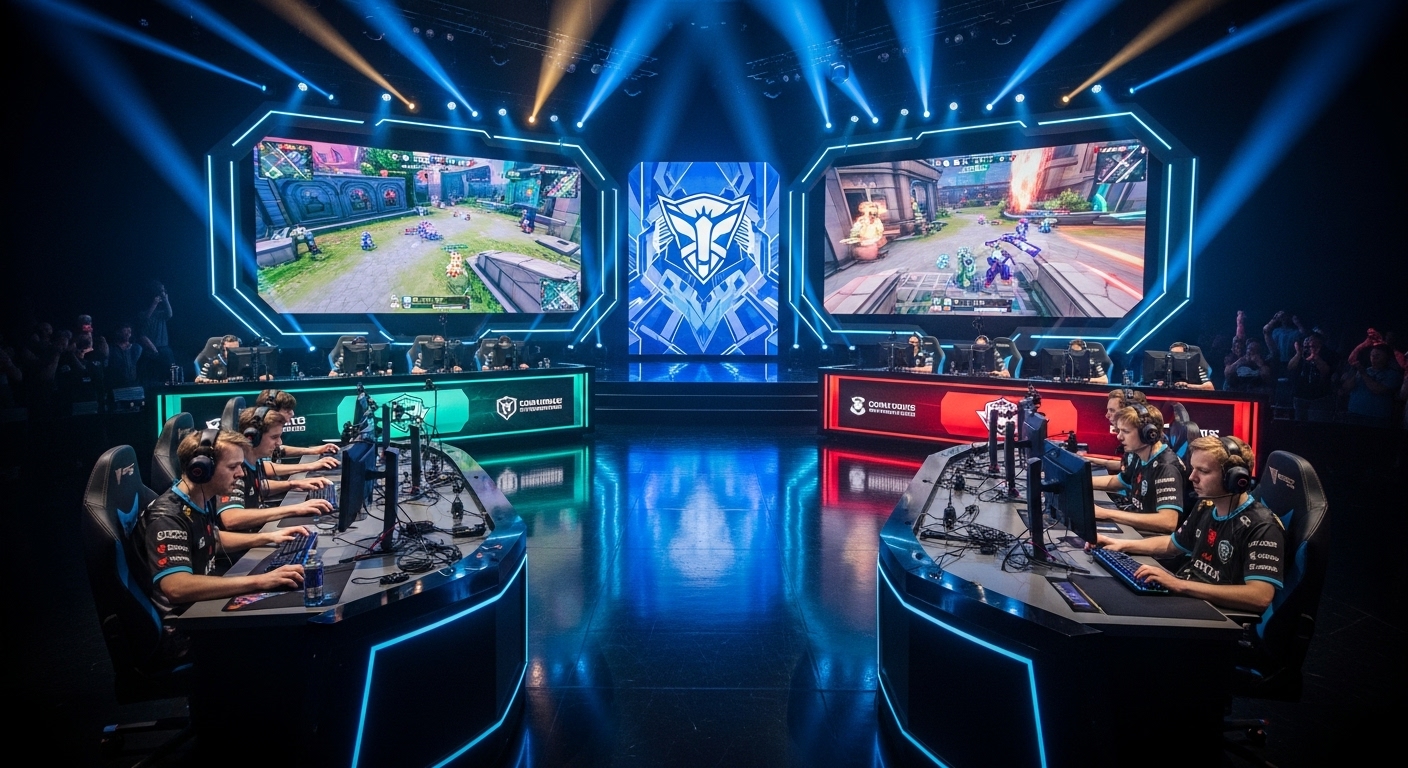
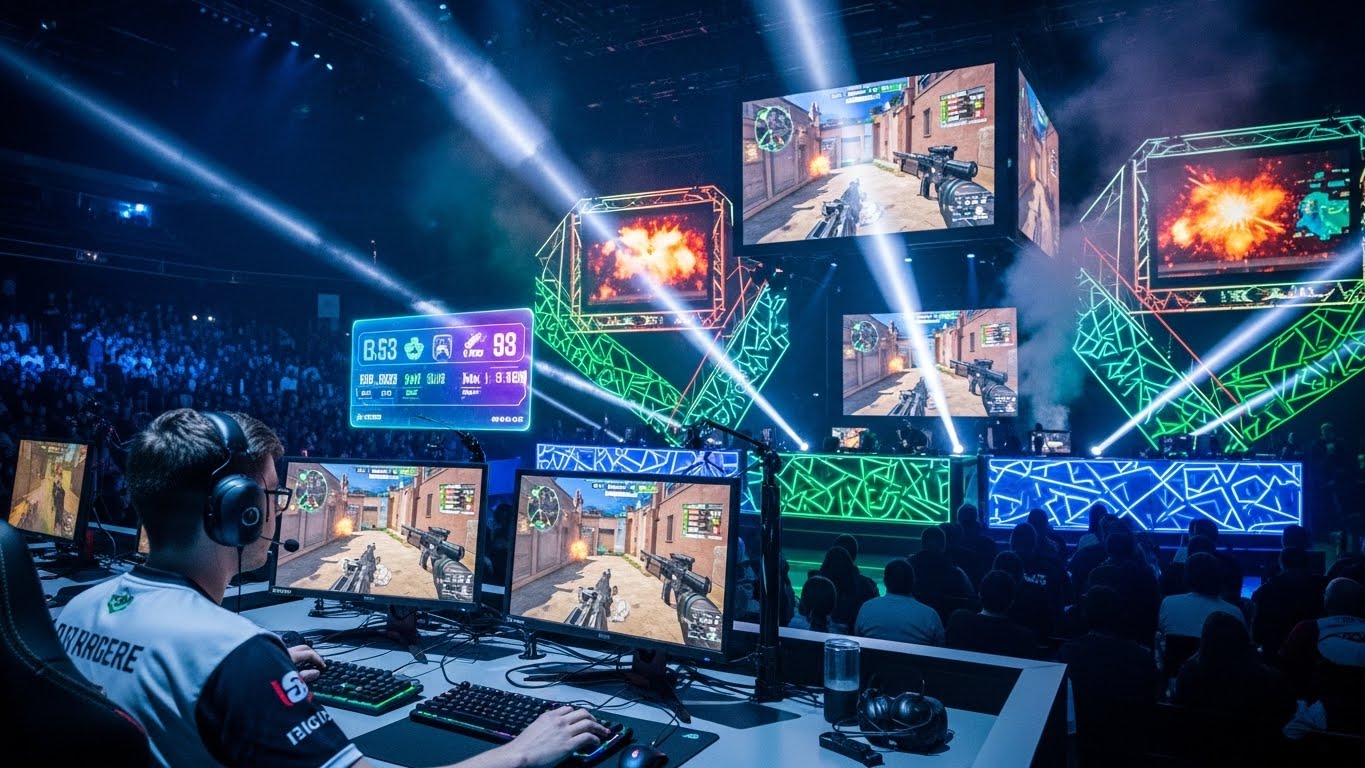
In the past two decades, competitive gaming has evolved from a niche hobby into a global phenomenon, captivating millions of fans and players alike. Known as esports, this dynamic world of digital competition has reshaped the definition of sports, entertainment, and professional careers. Esports is no longer confined to casual gaming; it has become a thriving industry with professional leagues, sponsorships, international tournaments, and a passionate community. In this blog post, we explore the history, impact, and future of esports, highlighting how it has transformed the gaming landscape and culture.
The Origins of Esports
Competitive gaming has its roots in the early days of video games. In the 1970s and 1980s, arcade tournaments and early home console competitions laid the foundation for organized gaming. One of the earliest recorded esports events took place in 1980 at Stanford University, where players competed in the game Space Invaders. Over the years, as gaming technology advanced, competitive communities formed around titles like Street Fighter, Quake, and StarCraft, giving rise to structured competitions and leagues. By the 2000s, online gaming platforms and broadband internet allowed players from around the world to compete in real-time, propelling esports into the modern era.
The Popularity Surge of Esports
Esports has witnessed unprecedented growth in recent years. Major titles such as League of Legends, Dota 2, Counter-Strike, and Fortnite have attracted millions of players and viewers globally. Unlike traditional sports, esports allows for rapid adaptation, with new games and formats constantly emerging. Streaming platforms like Twitch and YouTube Gaming have made it possible for fans to watch live competitions, interact with players, and follow tournaments from anywhere in the world. This accessibility has fueled the popularity of esports, creating a digital community where gaming is both a spectator sport and a participatory culture.
Professionalization and Career Opportunities
Esports has grown into a viable career path for many individuals. Professional players dedicate hours of practice, honing their skills, teamwork, and strategies, often competing in regional and international leagues. Beyond players, the industry offers roles in coaching, broadcasting, content creation, event management, game development, and marketing. Sponsorships and endorsements have also created financial opportunities, allowing top-tier players to earn substantial incomes. Universities and educational institutions now offer scholarships for esports athletes, further solidifying its status as a legitimate profession.
The Mental and Cognitive Benefits of Esports
While esports is sometimes criticized for being sedentary, it offers numerous mental and cognitive benefits. Competitive gaming requires high levels of concentration, strategic thinking, and problem-solving skills. Players develop quick decision-making abilities, hand-eye coordination, and multitasking capabilities. Team-based games also enhance communication, leadership, and collaboration skills. Moreover, esports can boost mental resilience, teaching players how to handle pressure, setbacks, and high-stakes situations. For many, esports is more than entertainment—it is a platform for personal growth and cognitive development.
Esports and Community Building
One of the most compelling aspects of esports is its ability to create strong, engaged communities. Online forums, social media groups, and streaming platforms enable players and fans to connect, share experiences, and collaborate. Community-driven events, fan meetups, and local tournaments strengthen social bonds and foster a sense of belonging. Esports also encourages inclusivity, as players of different ages, genders, and backgrounds can compete on equal footing. The collaborative nature of gaming communities highlights the social value of esports, promoting teamwork, friendship, and cross-cultural connections.
The Economic Impact of Esports
The esports industry has become a multi-billion-dollar ecosystem, contributing significantly to the global economy. Revenue streams include sponsorship deals, media rights, ticket sales, merchandise, and digital content. Large-scale tournaments such as The International, the League of Legends World Championship, and Fortnite World Cup offer prize pools in the millions, attracting international attention. The economic impact extends beyond the tournaments themselves, as local businesses, technology providers, and advertising agencies benefit from the growth of esports. This financial momentum demonstrates that esports is a sustainable and rapidly expanding sector of the entertainment industry.
The Role of Technology in Esports
Technology has been a driving force behind the rise of esports. High-speed internet, advanced gaming hardware, and sophisticated software platforms enable competitive gameplay at professional levels. Streaming technology allows fans to watch live matches with high-quality graphics, real-time commentary, and interactive features. Artificial intelligence and data analytics are increasingly used to analyze player performance, optimize strategies, and enhance training. Virtual reality and augmented reality are also beginning to influence esports, creating immersive experiences that blur the line between physical and digital competition. Technology ensures that esports continues to innovate, providing new opportunities for players and audiences alike.
Esports and Cultural Influence
Esports has become an influential cultural phenomenon, shaping trends in entertainment, fashion, and media. Popular players are recognized as celebrities, influencing fan culture and popular discourse. Esports tournaments attract audiences comparable to major traditional sporting events, and in some regions, gaming has become a symbol of national pride. The industry also intersects with music, film, and social media, creating a hybrid cultural ecosystem that appeals to younger generations. Esports has transformed gaming from a solitary activity into a global cultural movement, redefining the concept of competitive entertainment.
Challenges Facing the Esports Industry
Despite its rapid growth, esports faces several challenges. Player burnout, mental health issues, and the pressures of constant performance are significant concerns. Regulatory frameworks and standardized governance are still developing, creating inconsistencies in competition rules and player rights. Cheating, match-fixing, and ethical dilemmas pose threats to the integrity of the industry. Additionally, the stereotype that gaming is unproductive or socially isolating continues to affect public perception. Addressing these challenges requires collaboration among developers, organizers, players, and communities to ensure sustainable growth and maintain the credibility of esports.
Women in Esports
Historically, esports has been male-dominated, but female participation is growing steadily. Initiatives to promote gender inclusivity, create women-only leagues, and provide mentorship opportunities are helping bridge the gap. Female players are breaking barriers, demonstrating skill and resilience at professional levels. The increasing visibility of women in esports inspires new generations of players, challenging traditional stereotypes and emphasizing the importance of diversity. Gender inclusivity not only enriches the competitive landscape but also strengthens the cultural and social impact of esports.
The Future of Esports
The future of esports promises continued growth, innovation, and cultural integration. As technology evolves, esports will likely expand into virtual reality competitions, AI-assisted training, and interactive fan experiences. Educational institutions are expected to further embrace esports, offering academic programs and research opportunities. Global connectivity will enable more diverse participation, bringing players from different regions into the competitive arena. Most importantly, esports will continue to redefine the boundaries of competition, entertainment, and community, proving that digital gaming is not just a pastime but a transformative social and cultural force.
Conclusion: Esports as a Modern Phenomenon
Esports represents more than just competitive gaming—it is a reflection of technological advancement, cultural evolution, and human ingenuity. It combines the thrill of competition with the creativity of digital innovation, providing a platform for personal development, professional careers, and global community engagement. As esports continues to grow and evolve, it challenges traditional notions of sports and entertainment, offering new possibilities for players and fans alike. In the modern era, esports is not just a game; it is a vibrant, dynamic, and unstoppable force shaping the future of global competition and culture.