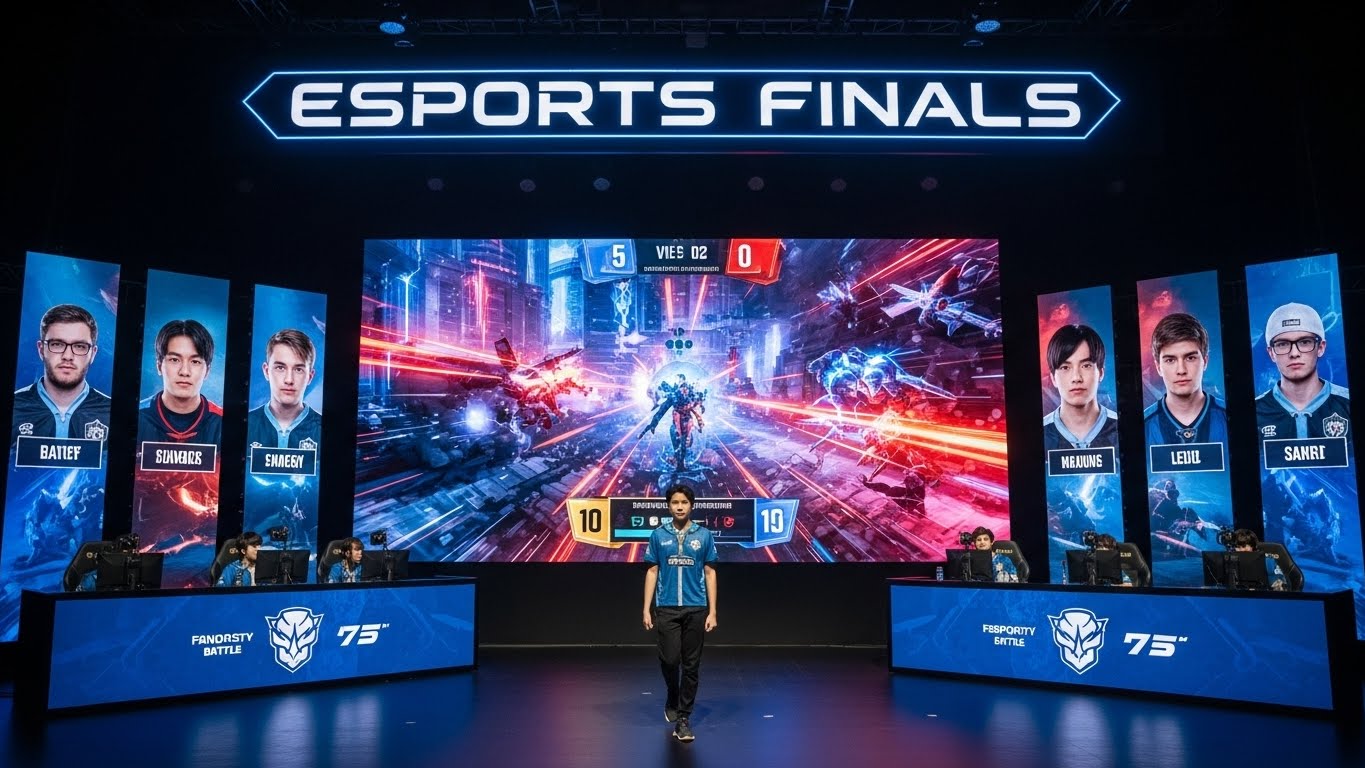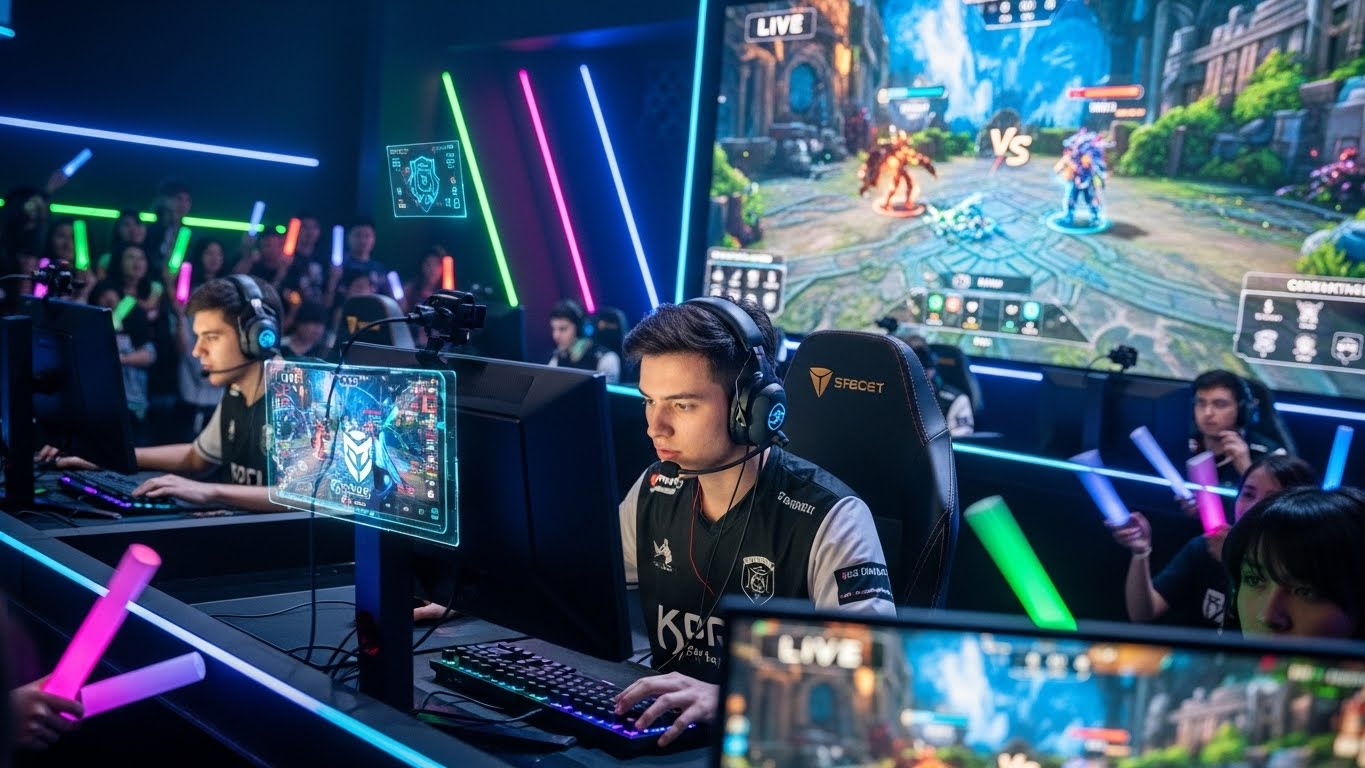
In the last two decades, competitive gaming, commonly known as eSports, has evolved from a niche hobby into a global cultural and economic powerhouse. What started as small tournaments among friends or local gaming communities has transformed into a billion-dollar industry with professional leagues, international championships, and a dedicated fanbase that rivals traditional sports. eSports has reshaped how we view gaming, entertainment, and competition. This blog explores the history, growth, and impact of eSports, along with the trends shaping its future.
The Origins of Competitive Gaming
The roots of eSports can be traced back to the 1970s and 1980s when early arcade tournaments began to appear. Games like Space Invaders and Pac-Man were the first to attract competitive players, often showcasing their scores on leaderboards at arcades. In 1980, the Atari Video Computer System introduced a nationwide tournament known as the Space Invaders Championship, which drew thousands of participants and demonstrated the potential for organized competitive gaming.
Throughout the 1990s, competitive gaming gained momentum with the rise of PC games such as Quake, Doom, and StarCraft. These games introduced complex mechanics and multiplayer modes that encouraged skill, strategy, and collaboration. LAN (Local Area Network) tournaments became popular, allowing players to compete against each other in real-time, often leading to the formation of dedicated gaming communities. This era laid the foundation for the professional eSports scene we see today.
The Evolution of eSports into a Professional Industry
The 2000s marked the beginning of eSports as a professional endeavor. Games like Counter-Strike, Warcraft III, and Dota became staples in competitive play, with organized leagues and tournaments emerging worldwide. Companies and sponsors began recognizing the marketing potential of eSports, providing funding, equipment, and exposure for players and teams.
With the introduction of live streaming platforms, eSports entered a new era of visibility. Services that allowed players to broadcast matches online made it possible for audiences to watch competitions in real-time from anywhere in the world. This accessibility fueled rapid growth, expanding the reach of eSports far beyond traditional gaming communities.
Popular eSports Titles and Their Impact
Different genres of games have shaped the eSports landscape, each attracting unique audiences and competitive styles. Multiplayer online battle arena (MOBA) games like League of Legends and Dota 2 require teamwork, strategy, and communication. First-person shooters (FPS) such as Counter-Strike: Global Offensive and Call of Duty emphasize reflexes, precision, and tactical thinking. Real-time strategy (RTS) games like StarCraft demand careful resource management and long-term planning.
Each genre offers a distinct competitive experience and community, but all share one common factor: a passionate fanbase. The popularity of these games has led to major tournaments with prize pools in the millions, drawing attention from sponsors, media, and even traditional sports organizations. eSports titles are no longer just games—they are platforms for career opportunities, entertainment, and international recognition.
The Role of Streaming in eSports Growth
Streaming platforms have played a pivotal role in eSports’ global expansion. Platforms that allow gamers to broadcast their matches live have made competitive gaming accessible to audiences worldwide. Fans can watch professional players, learn strategies, and engage with communities in real-time. Streamers themselves have become influential figures, creating content, hosting tournaments, and driving engagement.
The combination of live streaming, interactive chat, and social media integration has transformed eSports into an entertainment spectacle. Viewers are not passive observers; they participate in discussions, vote on outcomes, and engage with their favorite players and teams. Streaming has helped eSports transcend traditional gaming, creating a dynamic ecosystem where competition, entertainment, and community intersect.
eSports as a Career Path
Professional eSports players are no longer just hobbyists—they are athletes in their own right. Top-tier players often train for several hours a day, following strict practice schedules, analyzing opponents’ strategies, and maintaining physical and mental fitness. Teams provide coaching, nutrition, and mental health support, reflecting the professionalization of the industry.
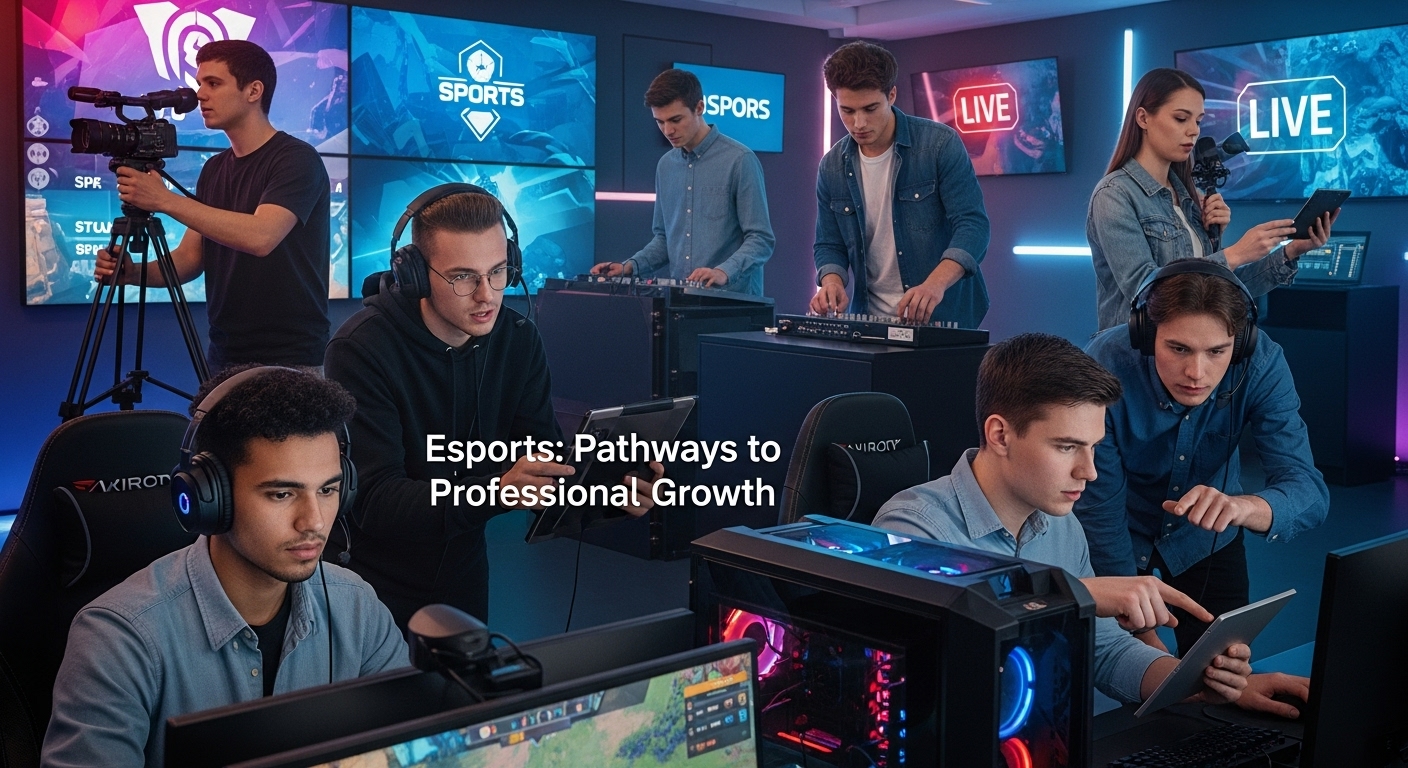
Salaries, sponsorships, and tournament winnings have made eSports a viable career option for talented players. Beyond playing, careers in eSports extend to content creation, coaching, event management, marketing, and broadcasting. This professional ecosystem mirrors traditional sports, providing opportunities for individuals with diverse skills and interests.
The Global Impact of eSports
eSports has had a significant cultural and economic impact worldwide. International tournaments attract millions of viewers, both online and in stadiums, generating revenue from ticket sales, sponsorships, merchandise, and advertising. Countries like South Korea, China, and the United States have embraced eSports as both an entertainment industry and a source of national pride.
eSports also fosters community and inclusivity. Online tournaments allow players from different regions, backgrounds, and skill levels to compete on equal footing. Fan communities provide social interaction, mentorship, and a sense of belonging. For many, eSports is more than a game—it is a shared cultural experience that connects people across borders.
Challenges in the eSports Industry
Despite its growth, eSports faces several challenges. Player burnout is a significant concern due to rigorous training schedules and high expectations. Maintaining fair competition is another challenge, as cheating, hacking, and performance-enhancing substances can undermine integrity. The industry also grapples with issues of accessibility and inclusivity, striving to ensure opportunities for players regardless of gender, socioeconomic background, or geographic location.
Additionally, regulatory frameworks are still evolving. Sponsorship transparency, labor rights for players, and content moderation on streaming platforms are areas that require careful attention. Addressing these challenges is essential to ensure the long-term sustainability and credibility of eSports as a professional and cultural industry.
The Future of eSports
The future of eSports is incredibly promising. Advancements in technology, such as virtual reality, augmented reality, and artificial intelligence, will create new forms of competitive gaming and immersive experiences. Cloud gaming and mobile platforms will make eSports accessible to even larger audiences, breaking down barriers to participation and viewership.
Education and training programs are emerging to support aspiring eSports professionals, offering specialized courses in game design, strategy, and management. Traditional sports organizations are investing in eSports teams, blending conventional sports culture with digital competition. As the lines between gaming, entertainment, and social interaction continue to blur, eSports will remain a key driver of innovation, culture, and global connection.
eSports and Society: Beyond Competition
eSports is more than just a competitive activity; it is shaping culture, education, and social interaction. Competitive gaming promotes strategic thinking, teamwork, communication, and adaptability. It encourages creativity, problem-solving, and resilience, skills that are valuable beyond the gaming world.
The social aspects of eSports foster global friendships, cultural exchange, and community building. Online tournaments and fan events provide opportunities for people to connect over shared interests, transcending geographical and cultural barriers. In many ways, eSports represents a new form of social interaction, where digital platforms serve as spaces for collaboration, entertainment, and human connection.
Conclusion: eSports as a Global Phenomenon
eSports has grown from humble beginnings into a multi-billion-dollar global industry that rivals traditional sports in popularity and influence. It is more than just playing video games—it is a professional pursuit, a cultural movement, and a source of connection and entertainment for millions worldwide.
From its early arcade tournaments to massive international championships, eSports has demonstrated the power of technology, community, and competition. The industry faces challenges, but its trajectory points toward continued growth, innovation, and cultural significance. As eSports evolves, it will continue to redefine what it means to compete, entertain, and connect in the digital age, cementing its place as one of the most influential forms of entertainment in the modern world.