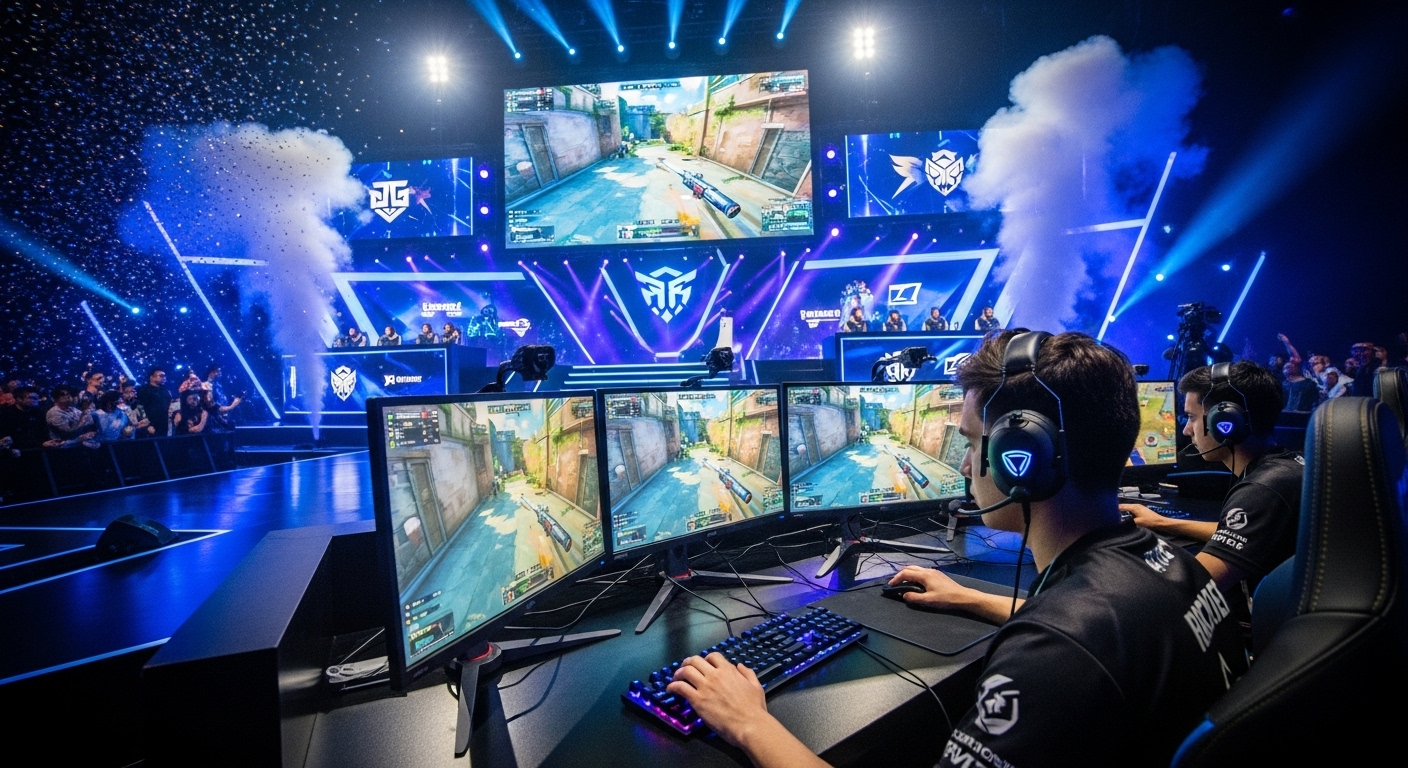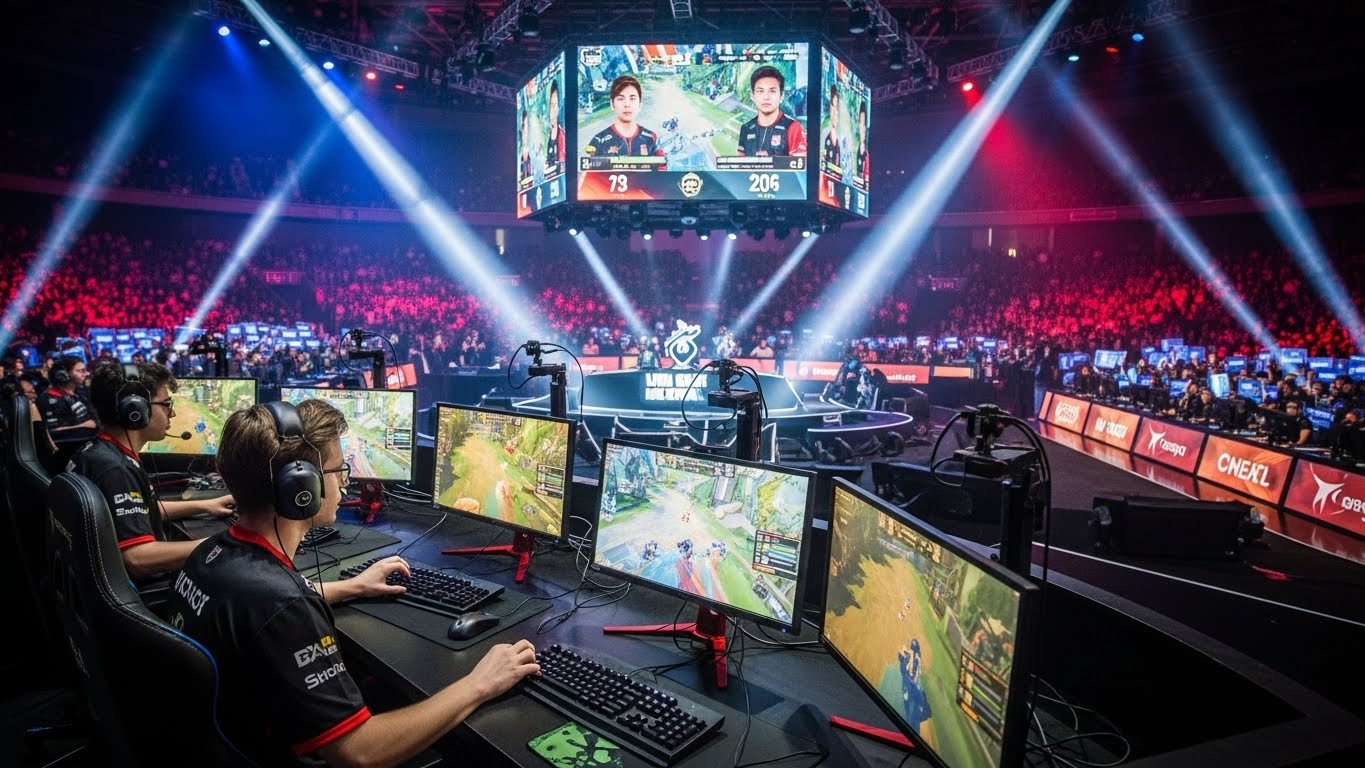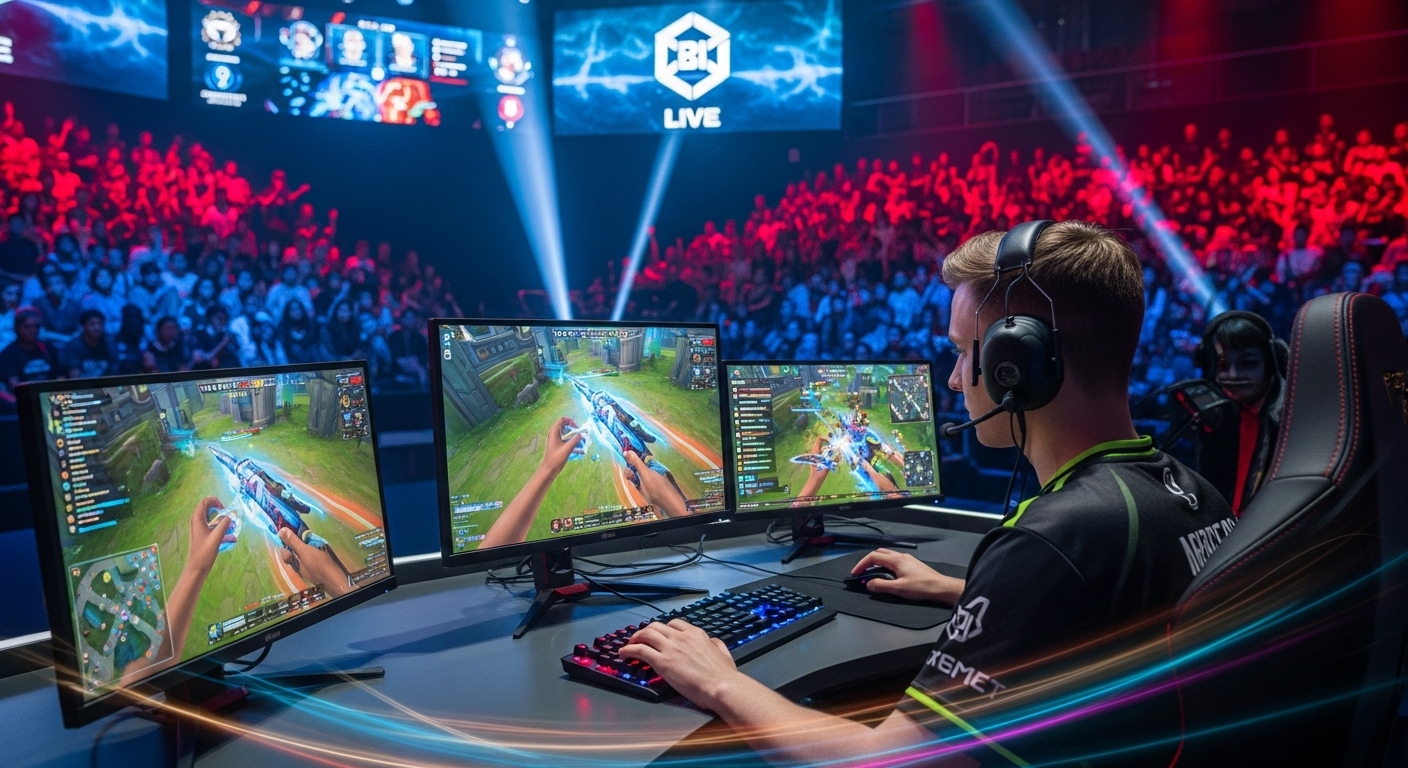
Esports, or electronic sports, has transformed from a niche hobby into a global competitive industry over the last two decades. What began as casual video game competitions has evolved into a multi-billion-dollar ecosystem that includes professional players, teams, tournaments, sponsorships, streaming platforms, and passionate fanbases. This growth has reshaped the way we view sports, entertainment, and digital culture, creating new opportunities and challenges for players, organizers, and audiences alike.
Origins of Esports: From Arcades to Online Arenas
The concept of competitive gaming is almost as old as video games themselves. In the 1970s and 1980s, arcades provided spaces for players to compete in games like Pong, Space Invaders, and Pac-Man. Early competitions, though small in scale, laid the foundation for competitive gaming culture. Tournaments like the Space Invaders Championship in 1980 attracted thousands of participants and demonstrated the potential for organized gaming competitions.
With the advent of home consoles and personal computers, the 1990s saw a shift from local arcade competitions to online multiplayer games. Titles like StarCraft, Quake, and Counter-Strike became the first games to develop organized competitive scenes. Players formed teams, leagues began to emerge, and tournaments were held both online and in-person. These early days highlighted the passion and skill of players, setting the stage for what esports would become in the 21st century.
The Growth of Esports in the 2000s
The 2000s were a transformative period for esports. High-speed internet became more widely available, enabling smoother online gameplay and creating opportunities for global competitions. Games like Warcraft III, Counter-Strike 1.6, and DotA began to attract dedicated communities. Professional players started gaining recognition, and the idea of esports as a career began to take shape.
Streaming platforms and video-sharing websites allowed fans to watch games, learn strategies, and follow their favorite players. The visibility of esports increased, drawing sponsorships and investment from traditional sports organizations and corporations. Leagues such as the Cyberathlete Professional League and the World Cyber Games offered structured competitive frameworks, further legitimizing esports as an organized, professional activity.
The Role of Technology in Esports
Technology has been a driving force behind the rise of esports. Faster internet, better graphics, and more sophisticated hardware have made games more immersive and competitive. Gaming peripherals like mechanical keyboards, high-DPI mice, and specialized controllers have allowed professional players to push the limits of precision and skill.
Streaming platforms and social media have also played a pivotal role in connecting players and fans. Platforms like Twitch, YouTube Gaming, and Facebook Gaming have made it possible for millions to watch esports live, creating a shared experience that rivals traditional sports broadcasts. Virtual reality and augmented reality technologies are beginning to create new possibilities for immersive esports experiences, hinting at a future where fans might interact with games in entirely new ways.
Popular Esports Titles and Genres
Esports encompasses a wide range of genres, each attracting different types of players and audiences. Multiplayer Online Battle Arenas (MOBAs) like League of Legends and Dota 2 are among the most popular esports titles, offering deep strategy and teamwork-driven gameplay. First-Person Shooters (FPS) such as Counter-Strike: Global Offensive, Call of Duty, and Valorant emphasize reflexes, precision, and tactical coordination.
Battle Royale games like Fortnite and PUBG introduced large-scale, survival-oriented competitions with massive audiences. Fighting games like Street Fighter and Tekken have cultivated passionate competitive communities for decades. Each genre contributes to the diversity of esports, ensuring that there is something for every type of gamer and fan.
Esports as a Career
The professionalization of esports has created new career paths for players, coaches, analysts, and content creators. Top players can earn substantial incomes from tournament winnings, sponsorships, and streaming revenue. Teams recruit players based on skill, personality, and marketability, and organizations invest in training facilities, coaching staff, and support teams to maximize performance.
Beyond players, esports careers include shoutcasters, analysts, content creators, and event organizers. Streaming personalities can leverage their audiences to build personal brands, while esports journalists cover competitions, trends, and industry news. The diversity of roles within the esports ecosystem demonstrates that it is not only about playing games but also about building communities and generating entertainment content.
The Global Esports Ecosystem
Esports is a truly global phenomenon. South Korea is often credited with pioneering professional esports culture, with StarCraft competitions in the late 1990s and early 2000s gaining mainstream attention. China has emerged as a major hub for esports investment, boasting massive audiences and well-funded leagues. North America and Europe have developed competitive scenes across multiple genres, with organizations like Team Liquid, Fnatic, and Cloud9 becoming household names within the gaming community.
Tournaments like The International, League of Legends World Championship, and EVO attract millions of viewers worldwide and offer prize pools in the millions of dollars. International competitions have also fostered cultural exchange, as fans and players from different countries interact through shared gaming experiences.
The Impact of Esports on Culture
Esports has influenced popular culture in profound ways. Video games have shifted from niche entertainment to mainstream media, with esports stars becoming influencers and celebrities. Merchandising, fan events, and cosplay have all been integrated into esports culture, blurring the line between gaming and entertainment.
The rise of esports has also changed perceptions of skill and competition. Professional gamers are recognized for their strategic thinking, reflexes, and teamwork, similar to traditional athletes. Schools and universities are increasingly offering esports programs, scholarships, and academic research opportunities, acknowledging gaming as a legitimate field of study and professional pursuit.
Economic and Business Aspects
The esports industry is a multi-billion-dollar market with revenue streams from tournament prizes, sponsorships, advertising, media rights, and merchandise. Corporations invest in teams and tournaments to tap into the young, tech-savvy audience that esports attracts. Sponsorship deals often include endorsements, branded content, and exclusive event access, creating mutually beneficial partnerships.
Media rights and streaming revenue are crucial, as millions of viewers tune in to watch events live. Ticket sales for live events, merchandise, and in-game purchases also contribute to the financial ecosystem. Investors and traditional sports organizations see esports as a growth market, leading to mergers, acquisitions, and strategic partnerships that further solidify its commercial viability.
Challenges Facing the Esports Industry
Despite its rapid growth, esports faces several challenges. Player burnout and mental health issues are significant concerns, as professional gamers often endure intense training schedules and high-pressure competitions. The lack of standardized regulations across leagues can lead to inconsistent competitive integrity, and issues like cheating or doping have emerged in some cases.
The industry also faces the challenge of sustainability. While top-tier esports players earn substantial incomes, lower-tier players and support staff often struggle with job security and long-term career prospects. Additionally, balancing monetization with fan engagement requires careful management, as audiences demand high-quality content without feeling exploited by commercialization.
The Future of Esports
The future of esports looks bright, with continued growth expected across all aspects of the industry. Advances in technology, including virtual reality, artificial intelligence, and cloud gaming, are likely to create new types of competitions and immersive experiences. Mobile esports is also expanding rapidly, particularly in regions like Southeast Asia and India, where smartphones are the primary gaming devices.
Esports is expected to integrate further with mainstream sports and entertainment, with collaborations between traditional sports leagues, media networks, and game developers. Universities and educational institutions will continue to offer esports programs, legitimizing gaming as both a professional and academic pursuit. Overall, esports is poised to continue evolving as a major cultural and economic force, shaping the way we play, watch, and interact with digital games.
Conclusion
Esports has come a long way from humble arcade competitions to a global digital phenomenon. Its growth has been fueled by technology, innovation, and the passion of players and fans around the world. As a cultural, economic, and professional force, esports continues to redefine the boundaries of sports, entertainment, and gaming. With expanding audiences, new technological possibilities, and increasing mainstream recognition, esports is not just a trend—it is a lasting transformation in the way we compete, connect, and experience digital culture.