Introduction
In the last two decades, esports has evolved from a niche hobby into one of the most dynamic and profitable entertainment industries in the world. Once dismissed as casual gaming, esports has now become a competitive and organized spectacle watched by millions of fans across the globe. With professional players, international tournaments, and huge prize pools, esports represents the future of both sports and technology-driven entertainment. This transformation is not merely about playing video games—it’s about innovation, culture, community, and global recognition.
The Birth of Esports: From Arcades to Arenas
The origins of esports date back to the early 1970s, when gaming competitions were small and localized. Early contests such as those held in arcades or universities were mostly about bragging rights among friends. However, the concept of competitive gaming quickly gained popularity as technology advanced. The 1990s marked a turning point when multiplayer PC games like Doom, Quake, and StarCraft allowed players to face off in virtual battles through local networks. This paved the way for global competitions and the eventual rise of esports leagues.
By the early 2000s, countries like South Korea began to embrace esports as a legitimate profession. Televised matches, sponsorships, and professional teams emerged, laying the foundation for what would become a global sensation. Esports was no longer a casual pastime; it had become a new form of competitive sport that demanded skill, dedication, and strategic thinking.
The Growth of a Global Industry
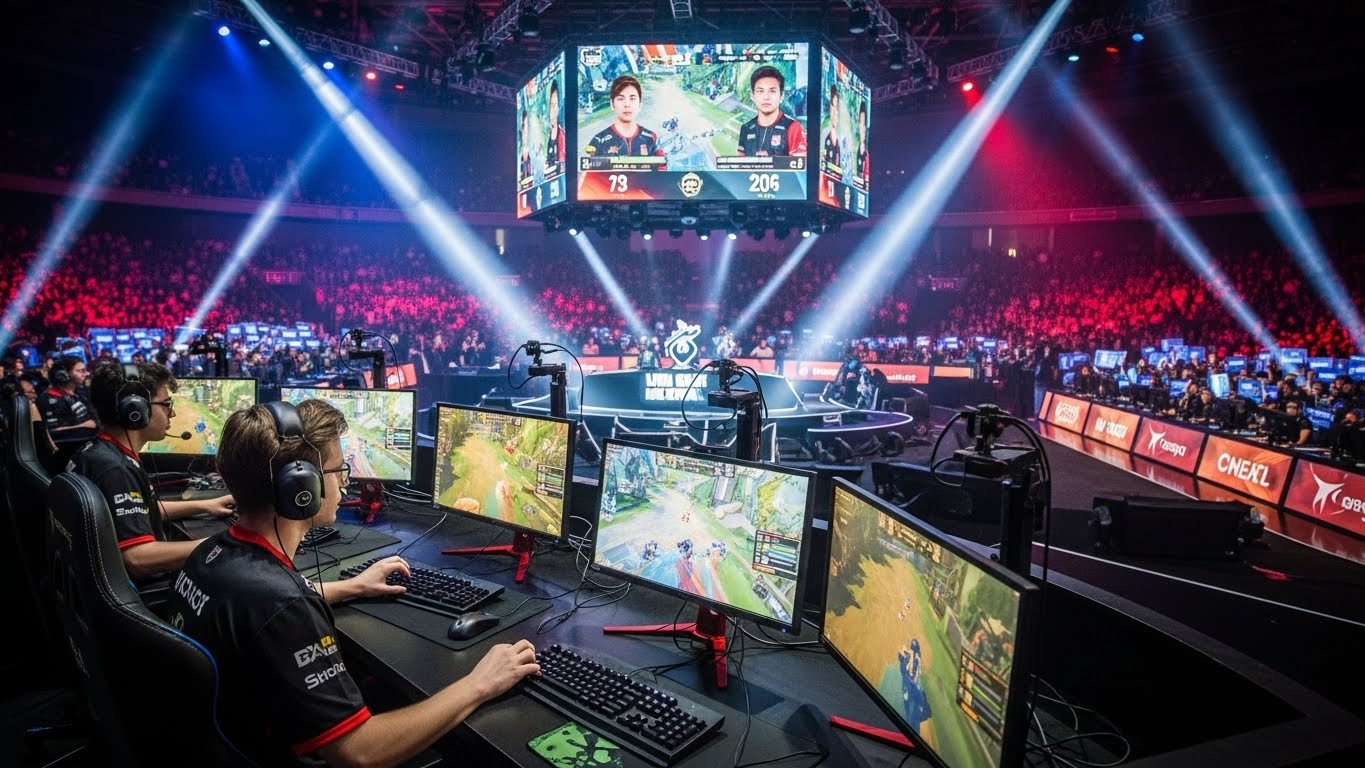
Today, esports has grown into a billion-dollar industry that rivals traditional sports in terms of audience size and revenue. Major tournaments attract millions of online viewers, with stadiums packed full of fans cheering for their favorite teams and players. Games like League of Legends, Dota 2, and Counter-Strike: Global Offensive have become household names, each with their own professional leagues and world championships.
The growth of streaming platforms and digital broadcasting has further accelerated esports’ expansion. Fans can now watch their favorite matches live from anywhere in the world, interact with players through chats, and even participate in fantasy leagues. Sponsorship deals, advertising, and merchandise have turned esports into a thriving commercial ecosystem that supports not only players but also content creators, analysts, and event organizers.
The Professionalization of Esports Players
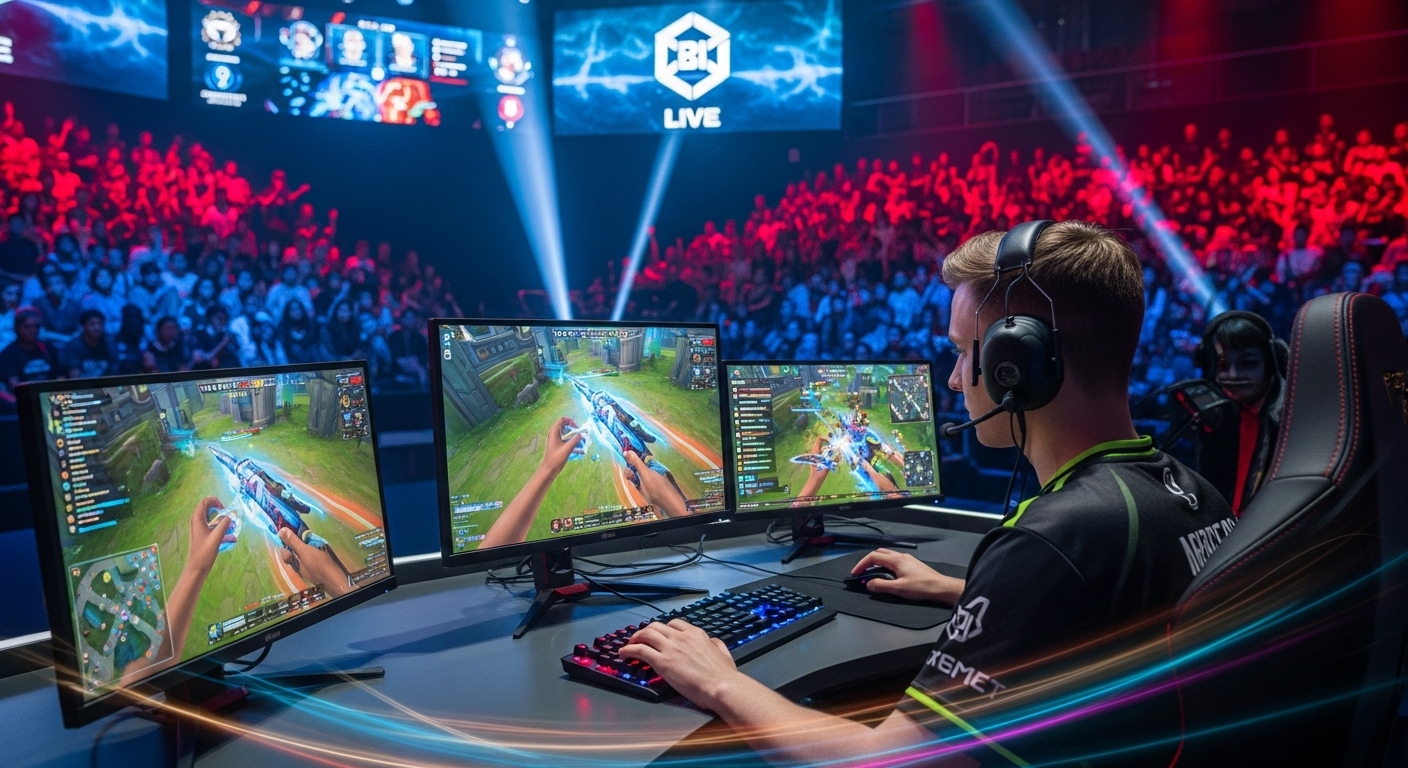
What sets modern esports apart from casual gaming is its level of professionalism. Today’s top esports players are athletes in every sense of the word. They undergo rigorous training, follow strict schedules, and maintain a balanced lifestyle to ensure peak performance. Many esports organizations provide their players with nutritionists, coaches, and psychologists to help them handle both the physical and mental demands of the competition.
A player’s reaction time, decision-making ability, and strategic understanding are crucial in determining success. The mental pressure is immense, as one small mistake can cost a team millions of dollars in prize money or the chance to win a championship. As a result, esports has developed a culture of discipline and teamwork that mirrors traditional sports.
Esports and Technology: A Perfect Partnership
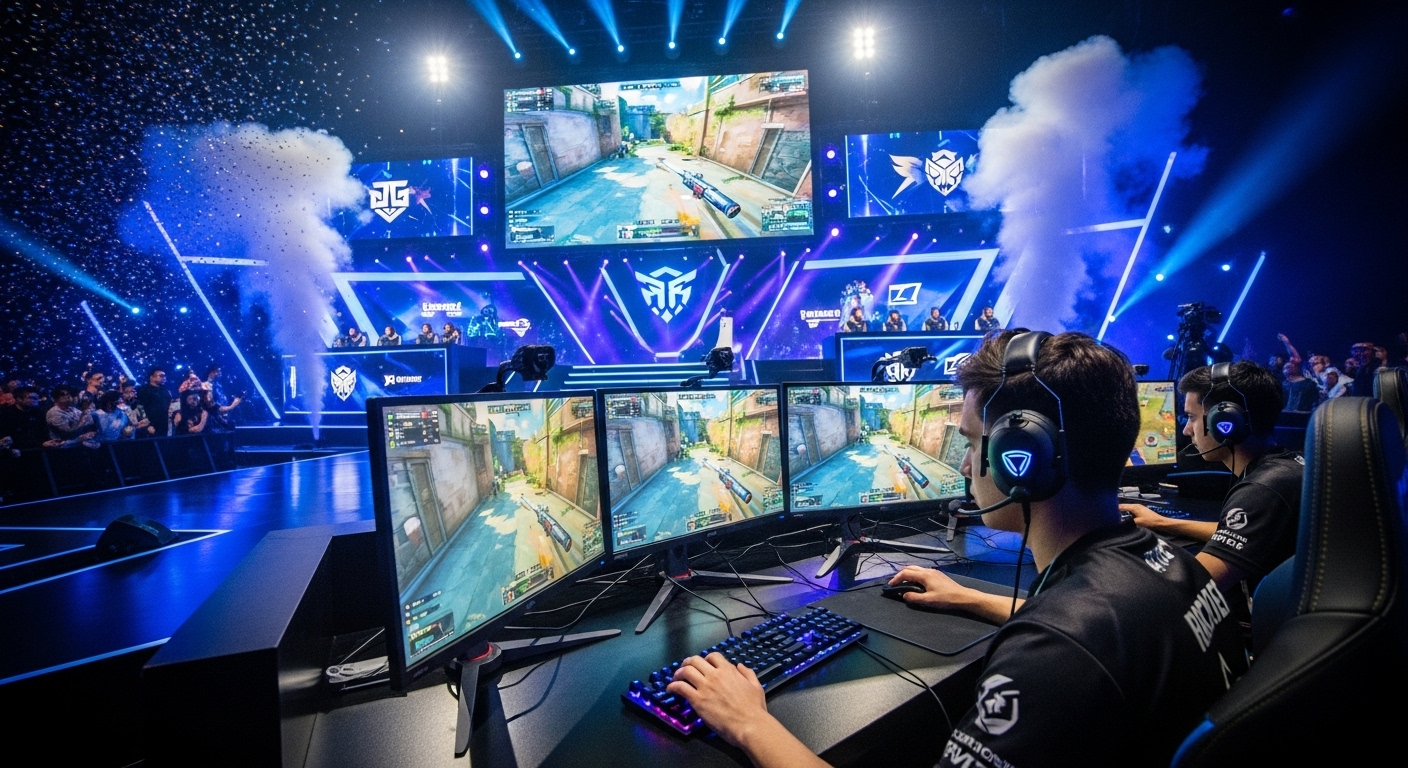
The success of esports is deeply connected to technological innovation. High-speed internet, advanced gaming hardware, and immersive graphics have all contributed to a better competitive experience. Cloud gaming, virtual reality, and artificial intelligence are now reshaping the esports landscape by offering new levels of interactivity and realism.
Technology has also made esports more accessible to aspiring players. Affordable gaming setups and online platforms allow anyone with talent and determination to compete at a professional level. This democratization of competition ensures that esports continues to grow and evolve with each new generation of gamers.
Esports as a Career Path
For many young people, esports offers not only entertainment but also career opportunities. Players can earn substantial income through tournament winnings, sponsorships, and streaming. Beyond professional gaming, the esports industry offers a wide range of roles such as coaching, event management, marketing, broadcasting, and game design.
Universities around the world have begun offering esports scholarships and degree programs focused on gaming and digital media. This recognition has helped break down the stereotypes surrounding gaming as an unproductive activity. Parents and educators now see esports as a legitimate career path that combines passion with practical skills.
The Cultural Impact of Esports
Esports has created a new global culture that transcends borders, languages, and backgrounds. It brings people together through a shared love of competition, teamwork, and digital creativity. Fans form communities online, supporting their favorite players and discussing strategies. Gaming events often feature music, fashion, and art, turning esports tournaments into cultural festivals.
The influence of esports can be seen in mainstream media as well. Movies, documentaries, and television shows have begun exploring the world of professional gaming. Fashion brands and technology companies collaborate with esports organizations, merging the worlds of style and digital entertainment. This fusion of culture and technology has positioned esports as a central pillar of modern youth identity.
Challenges Facing the Esports Industry
Despite its success, esports faces several challenges. One major issue is player burnout, as the intense competition and demanding schedules can take a toll on physical and mental health. Another concern is the lack of standardized regulations across different games and tournaments. Issues such as cheating, match-fixing, and player exploitation require better governance and transparency.
Gender diversity remains another area of concern. Although female gamers are a growing part of the community, they are often underrepresented in professional leagues. Encouraging inclusivity and creating safe environments for all players are essential for the long-term sustainability of the industry.
Additionally, as esports continues to expand, maintaining fair play and competitive integrity is crucial. Developers and organizers must work together to ensure that the spirit of competition remains at the heart of every event.
The Role of Education and Community Development
Esports is not just about competition; it also plays a role in education and community development. Schools and universities have begun using esports programs to teach teamwork, leadership, and problem-solving skills. Gaming clubs and community events provide a positive outlet for young people to connect, learn, and develop confidence.
Furthermore, esports can be a powerful tool for bridging social and economic divides. Online gaming allows individuals from different regions and backgrounds to interact and collaborate, fostering global understanding and cultural exchange. As technology continues to advance, esports has the potential to inspire new forms of digital learning and innovation.
The Future of Esports: What Lies Ahead
The future of esports looks incredibly promising. As technology continues to evolve, so too will the way we experience competitive gaming. The integration of virtual reality and augmented reality could bring fans even closer to the action, offering immersive experiences that rival physical sports. Blockchain technology may introduce new ways to reward players and manage digital assets, while artificial intelligence could enhance training and strategy development.
Traditional sports organizations have already started investing in esports, creating hybrid events and cross-industry partnerships. Governments and educational institutions are also recognizing esports as a legitimate industry that can drive economic growth and technological advancement. The line between traditional sports and esports is becoming increasingly blurred, suggesting a future where both coexist and complement each other.
Conclusion
Esports is more than a trend; it is a revolution in the world of entertainment and competition. From humble beginnings in arcades to massive global arenas, it has redefined what it means to be an athlete in the digital age. The combination of skill, strategy, technology, and community has turned esports into a cultural and economic powerhouse that shows no signs of slowing down.
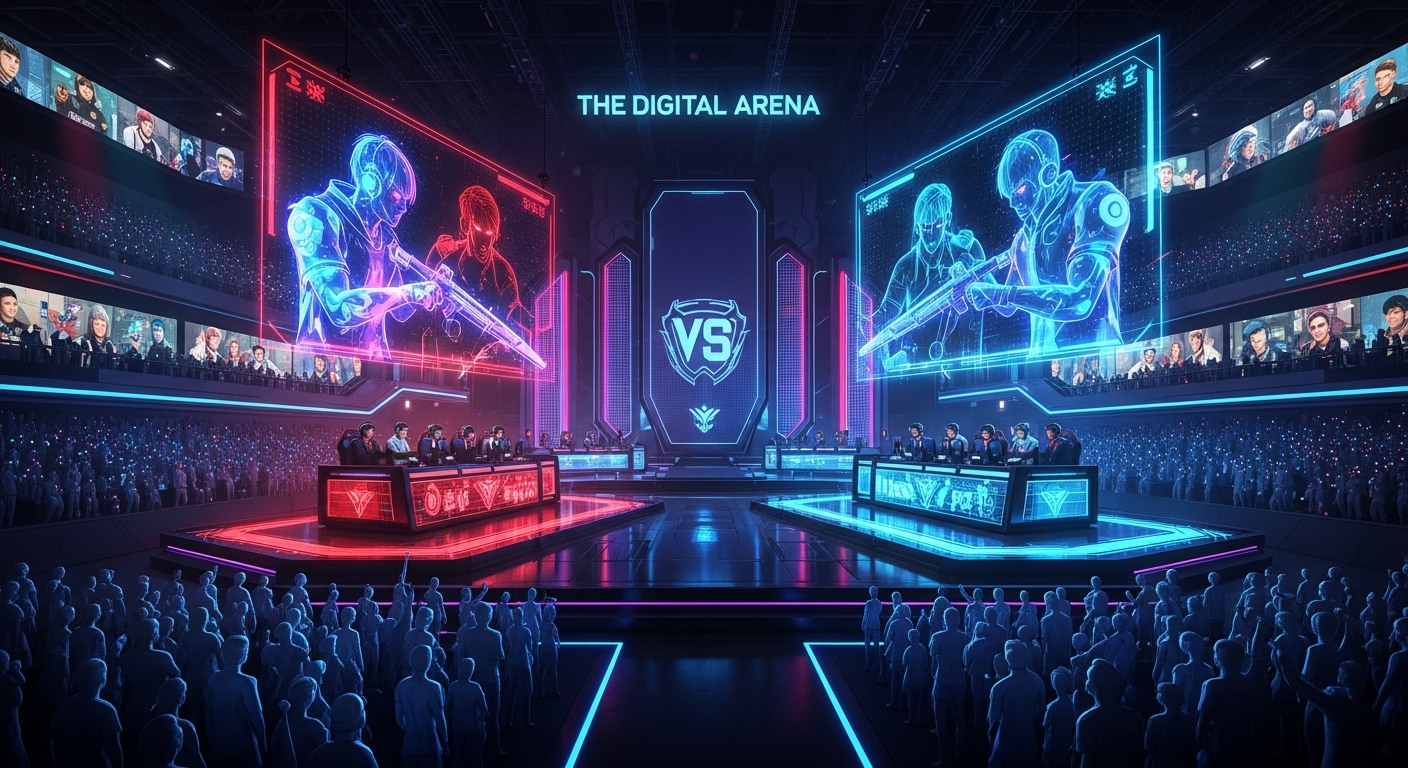
As we move forward, esports will continue to influence how we play, connect, and compete. It represents the spirit of innovation, creativity, and perseverance that defines the modern world. Whether you are a casual gamer, a dedicated fan, or an aspiring professional, the world of esports welcomes you to the digital arena—where passion meets performance, and gaming becomes greatness.