Introduction
Esports has exploded into one of the most influential entertainment industries of the modern era. What began as small gaming contests among hobbyists has transformed into a global empire filled with professional teams, roaring fans, dazzling tournaments, and a digital culture unlike anything the entertainment world has seen before. Esports has not only changed the way people play games but has also reshaped technology, sports culture, careers, education, and the entertainment landscape as a whole. As it continues to grow, esports proves that competition in the digital world can be just as thrilling, emotional, and intense as competition on any physical field.
The Origins of Competitive Gaming
Competitive gaming dates back to arcade machines and local computer clubs. Early tournaments were simple gatherings where players tested their skills for high scores and bragging rights. These events, though small, hinted at the vast potential of gaming competition.
With the rise of the internet, gaming communities expanded beyond physical spaces. Suddenly, gamers could compete with opponents across cities, countries, and continents. Multiplayer games evolved, tournaments multiplied, and online platforms created opportunities for players to prove their skill on a global stage. What once looked like a niche hobby had begun its journey into becoming a massive professional industry.
Games That Shaped the Esports Landscape
Various genres contribute to the rich diversity of esports, each attracting millions of fans and professional players.
First-person shooters became popular due to their intense action and fast-paced style. These games demand precision, communication, and quick thinking. Spectators enjoy the intensity and unpredictability that each match brings.
Multiplayer online battle arenas have some of the largest esports communities in the world. These strategic and teamwork-focused games require players to master dozens of characters, abilities, and tactics. They are mentally demanding and highly competitive, making them thrilling for both players and viewers.
Real-time strategy games test players’ planning skills and multitasking abilities. These games often feature complex strategies and precise timing, appealing to fans who enjoy thoughtful and tactical gameplay.
Sports simulation games mirror traditional sports, attracting fans who enjoy both gaming and athletic competition. They blend realism with strategic decision-making, offering a hybrid experience.
Battle royale games introduced an entirely new form of competition, where survival and adaptability are the keys to victory. Their unpredictable nature keeps matches exciting and viewers fully engaged.
The Emergence of Professional Esports Organizations
Today, esports organizations resemble traditional sports teams. They recruit talented players, sign them to contracts, and provide salaries, training facilities, and coaching staff. Many teams operate as full businesses with marketing departments, content creators, analysts, and support staff.
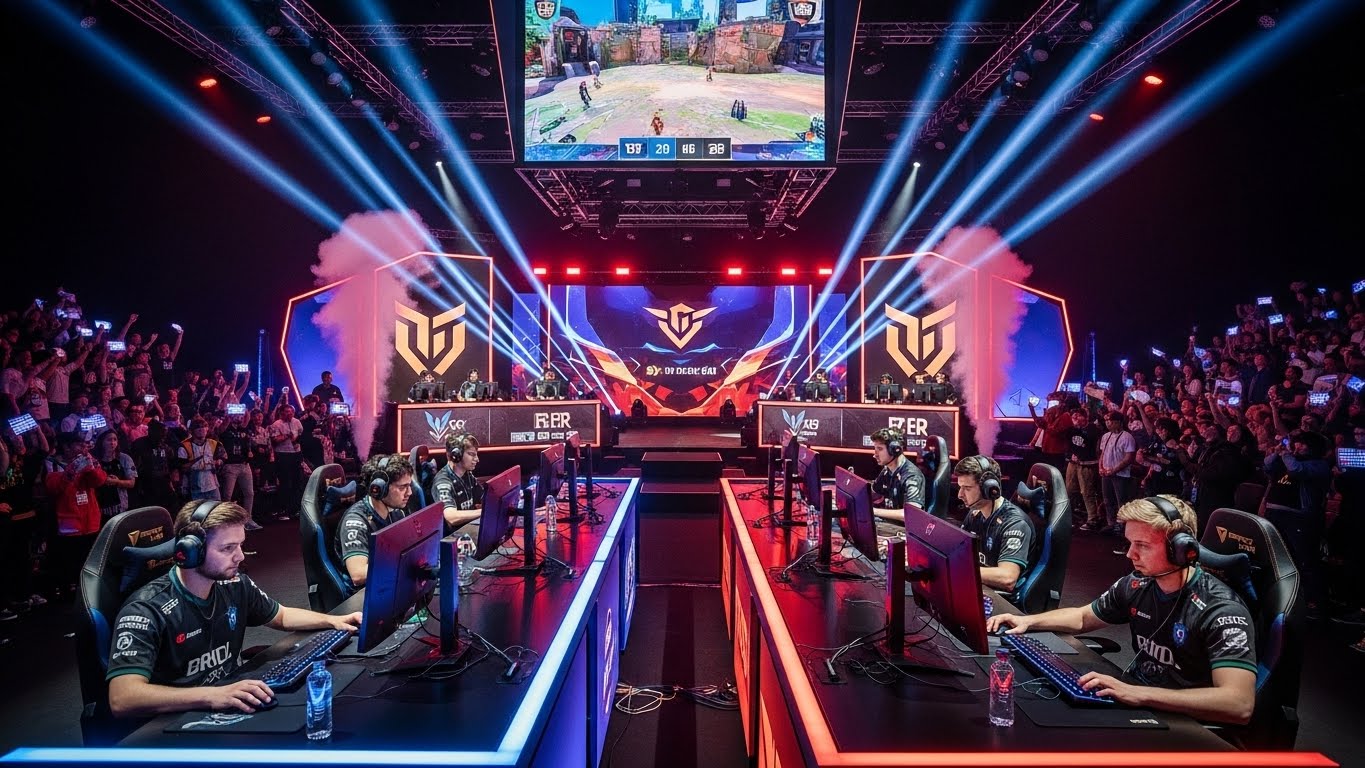
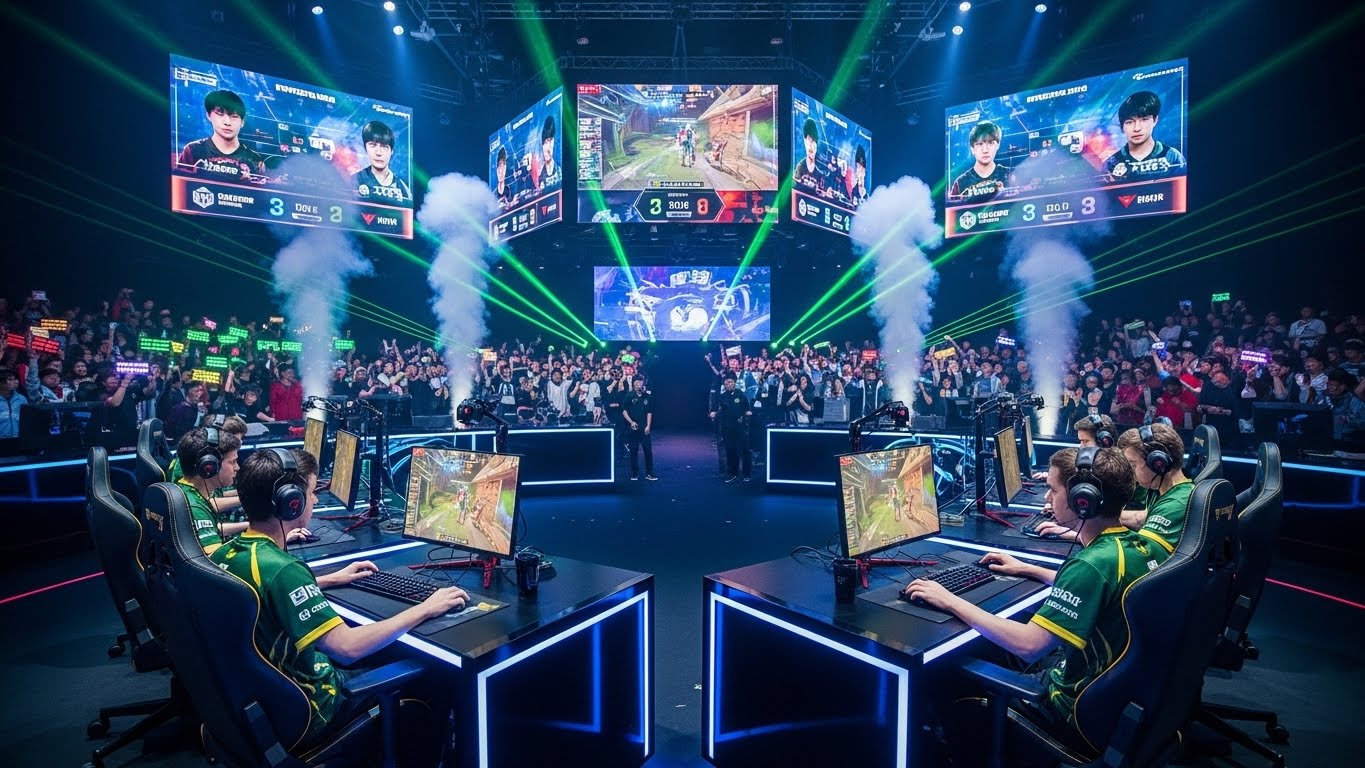
Major tournaments attract global audiences and turn players into digital celebrities. Stadiums fill with cheering fans, while millions more watch online. These events feature impressive production, commentary crews, immersive visuals, and high-stakes competition. Esports has evolved into a structured industry with leagues, seasons, playoffs, and championships, creating a predictable and engaging experience for fans.
The Daily Life of an Esports Athlete
The life of a professional esports player demands dedication and discipline. A typical day may include hours of practice, team strategy meetings, scrimmages against other professional squads, physical exercise, and mental training. Despite misconceptions, competitive gaming is not simply casual play. It requires intense focus, fast reflexes, emotional stability, and constant improvement.
Players review game footage, study opponents, and learn intricate strategies to stay ahead in the competitive scene. Many also interact with fans through streaming and content creation, further building their public presence. As the industry matures, athletes receive support from coaches, nutritionists, physical trainers, and psychologists to ensure long-term performance and well-being.
The Growth of Esports Viewership
Esports viewership has skyrocketed over the past decade. Millions tune in to watch tournaments, follow their favorite teams, and engage with the community. Unlike traditional sports, esports offers more accessibility. Fans can interact directly with players through social media, chatrooms, and livestreams.
This level of interaction creates a sense of community and closeness that many fans appreciate. Major events often feel like global gatherings, where supporters from different countries share excitement, celebrate victories, and experience unforgettable moments together. The digital nature of esports allows fans to stay connected regardless of geographic boundaries.
How Streaming Fuels the Esports Ecosystem
Streaming platforms played a transformative role in making esports mainstream. They allow skilled players to showcase their gameplay and personalities to huge audiences. For many esports stars, streaming is a second career that provides income, exposure, and brand-building opportunities.
Streamers also help build interest in competitive games. By broadcasting practice sessions, sharing tips, or simply entertaining fans, they contribute to the growth of the gaming community. This synergy between streaming and competition creates a full-circle ecosystem that keeps esports thriving and constantly expanding.
Esports in Schools and Universities
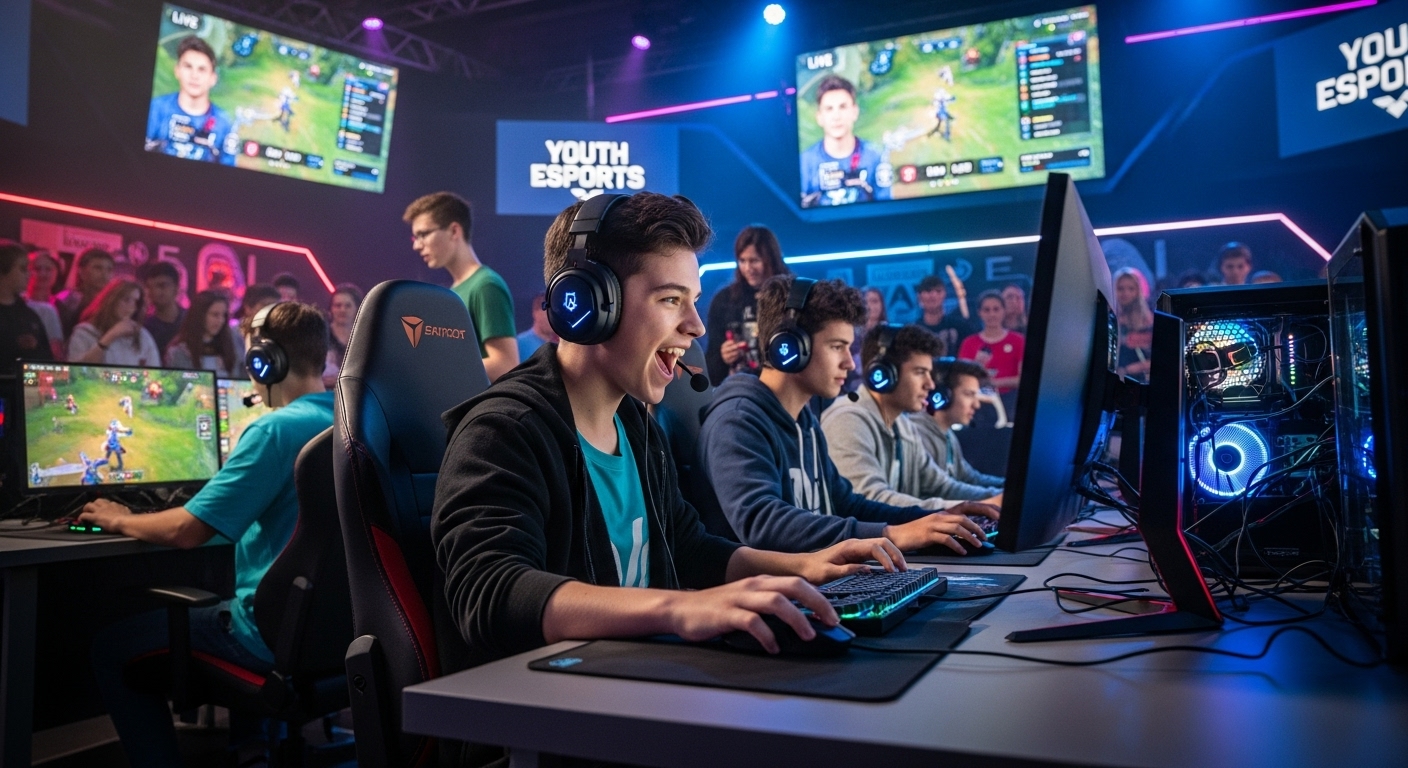
Esports is increasingly recognized as an academic and professional pursuit. Educational institutions now offer esports scholarships, varsity teams, and career-oriented programs. Students learn valuable skills such as leadership, teamwork, strategic thinking, and communication.
Esports clubs and programs provide opportunities for students to explore careers beyond competition. These include game design, programming, broadcasting, marketing, event planning, and team management. By integrating esports into education, schools open doors for students to enter one of the fastest-growing industries in the world.
Health and Wellness in Esports
Professional gaming requires a balanced approach to physical and mental health. Sitting for long periods and intense concentration can take a toll on the body. As a result, teams and players emphasize regular exercise, healthy diets, and proper rest.
Mental health is equally important. The pressure of competition, public attention, and high expectations can lead to stress. Many organizations employ sports psychologists to help players manage emotions, remain focused, and avoid burnout. The increasing focus on wellness ensures that esports athletes perform at their best while maintaining long-term health.
The Role of Women in Esports
Women are becoming increasingly influential in esports. They participate as professional players, commentators, coaches, analysts, hosts, and creators. Their contributions strengthen the industry and inspire new generations of female gamers to pursue their ambitions.
While esports has faced challenges related to inclusivity, progress continues. Supportive communities, inclusive tournaments, and leadership roles are helping create a more diverse environment. As representation increases, esports becomes more welcoming and better reflects its global audience.
The Economic Impact of Esports
Esports has grown into a global economic powerhouse. Multiple industries benefit from this growth, including gaming companies, technology brands, event organizers, apparel manufacturers, and media networks. Sponsorships, merchandise sales, advertising, ticket sales, and broadcasting rights generate massive revenue.
Cities are investing in esports arenas, and companies continue developing technology aimed at improving gaming performance. The economic impact extends to job creation, entrepreneurship, and technological innovation. Esports has become an essential part of the global digital economy.
Challenges Faced by the Esports Industry
Rapid growth brings challenges. Ensuring fair competition, preventing burnout, managing team sustainability, and addressing toxic behavior are ongoing concerns. There is also a need for clearer regulations and better player protections.
Balancing commercialization with authenticity is another challenge. As esports continues to expand, maintaining the passion and community spirit that built the industry will be essential. Addressing these issues will help the industry grow sustainably and retain its core identity.
The Future of Esports
The future of esports is filled with exciting possibilities. Advancements in virtual reality, augmented reality, and artificial intelligence will create new types of gaming experiences. Mobile esports will continue expanding, reaching audiences in regions where traditional hardware is less accessible.
Esports may also gain more recognition from traditional sports organizations and global institutions. As technology evolves, competitions will become more immersive, interactive, and visually stunning. Esports is positioned to remain a dominant force in modern entertainment for decades to come.
Conclusion
Esports is far more than a trend. It is a cultural movement that blends passion, technology, creativity, and competition into an electrifying global experience. From casual beginnings to stadium-sized tournaments, esports has shown that digital competition can inspire millions, create careers, and shape communities.
It represents a future where entertainment is limitless, where talent can come from any corner of the world, and where players and fans unite in a shared love for gaming. As esports continues its remarkable growth, it stands proudly as one of the most exciting and transformative phenomena of the digital age.