Introduction: Esports as a Modern Movement
Esports has rapidly evolved from casual video game competitions into a global entertainment and professional industry. What was once seen as a hobby for gamers has grown into a structured ecosystem involving professional players, teams, tournaments, fans, sponsors, and media coverage. Esports now fills stadiums, attracts millions of online viewers, and offers legitimate career opportunities to skilled individuals.
This transformation reflects changes in technology, culture, and how younger generations engage with competition and entertainment. Esports is no longer just about games; it represents ambition, discipline, community, and innovation in the digital age.
The Early Days of Competitive Gaming
The origins of esports can be traced back to the early days of video gaming, when players competed for high scores in arcades or challenged friends at home. These early competitions were informal and driven by passion rather than profit. Gamers gathered locally, sharing strategies and celebrating skill-based achievements.
As home consoles and personal computers became more accessible, competitive gaming expanded. Multiplayer games introduced structured competition, allowing players to measure their skills against others. These early foundations set the stage for what would later become organized esports.
The Rise of Online Play and Global Competition
The growth of the internet played a crucial role in esports development. Online multiplayer gaming allowed players to compete across cities, countries, and continents. This global access transformed gaming into a shared competitive experience, breaking geographical barriers.
Online play also made it possible for spectators to watch matches live. As audiences grew, competitive gaming shifted from private participation to public entertainment. This marked the beginning of esports as a spectator-driven industry, with fans following teams and players just like traditional sports.
What Defines Esports Today
Modern esports is defined by structured tournaments, professional teams, official leagues, and consistent competitive rules. Games from various genres form the esports landscape, including action, strategy, simulation, and fighting games. Each game has its own community, competitive format, and professional scene.
Teams operate with coaches, analysts, and support staff who help players improve performance. Strategy, teamwork, communication, and mental strength are just as important as mechanical skill. Esports today demands the same level of professionalism and preparation as traditional sports.
Life of a Professional Esports Player
Becoming a professional esports player requires dedication, discipline, and resilience. Players train for long hours each day, practicing mechanics, studying strategies, and reviewing match performances. Success depends on constant improvement and adaptability in a highly competitive environment.
Professional players also face pressure to perform consistently. Tournament schedules can be intense, and public scrutiny is constant. Managing mental health, physical well-being, and personal life is essential for long-term success. Many players retire young and transition into coaching, streaming, or management roles.
Esports as a Form of Entertainment
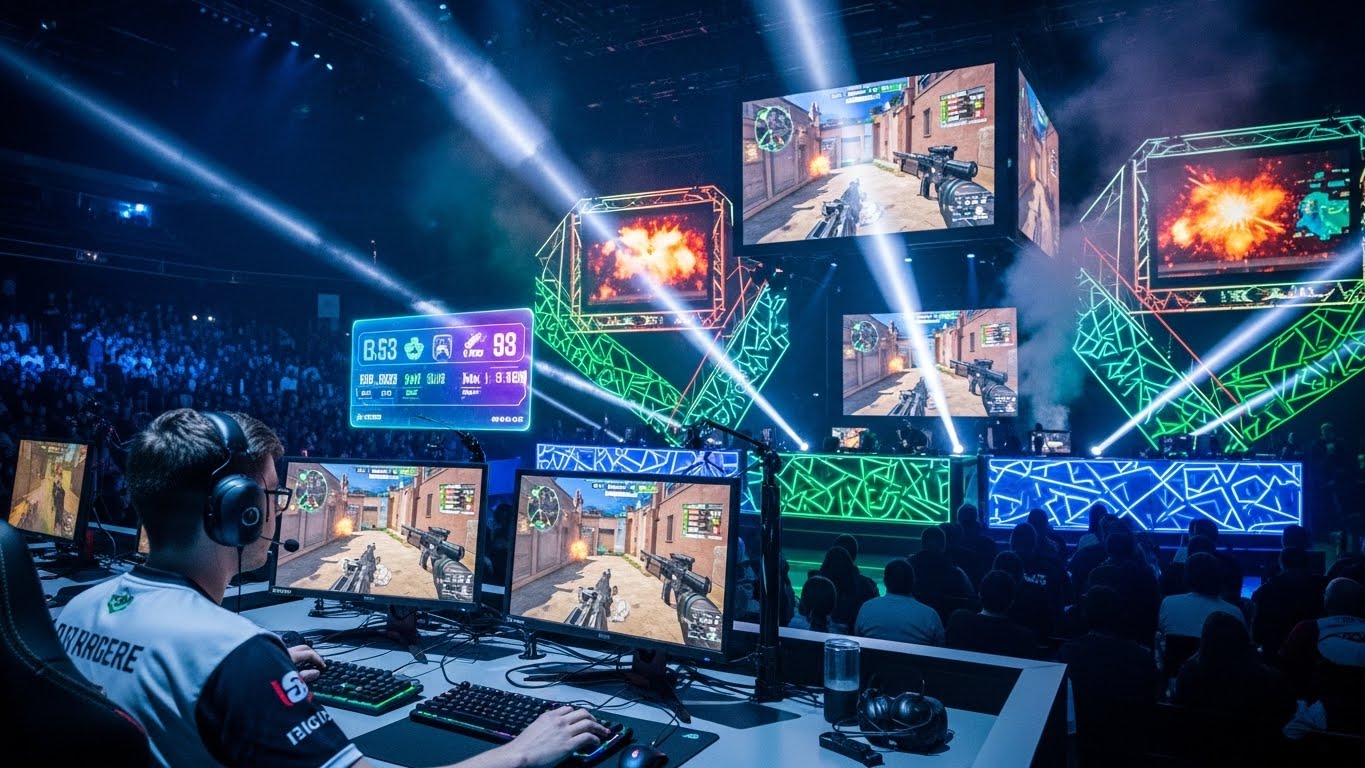
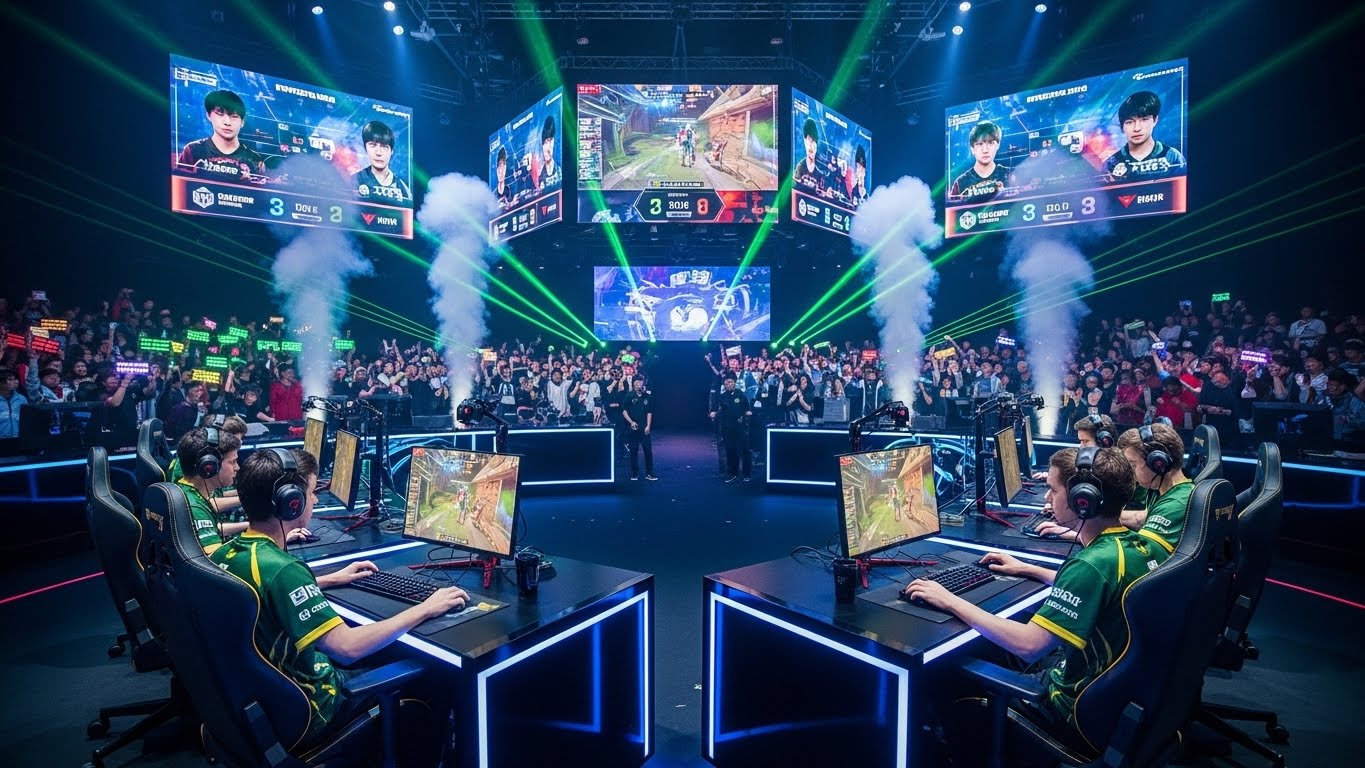
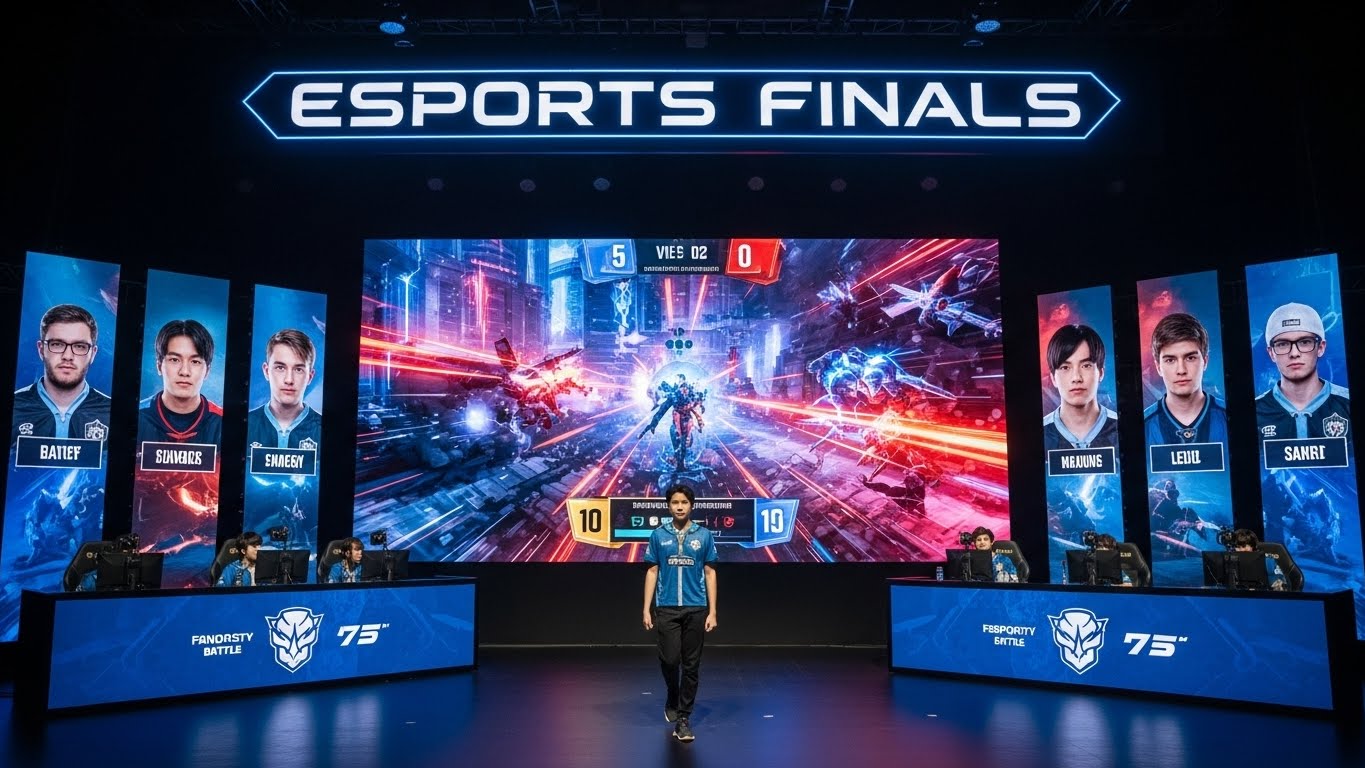
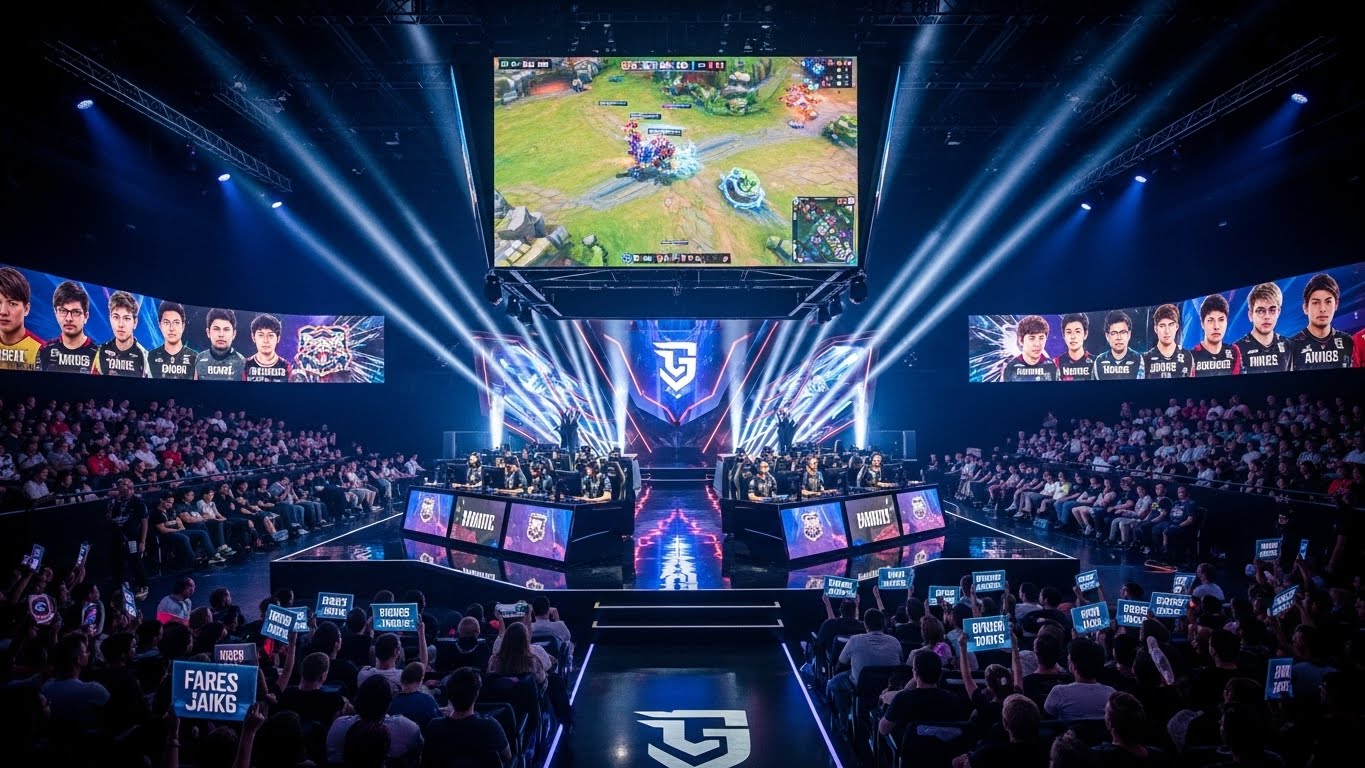
Esports has become a major entertainment medium. Competitive matches are produced with live commentary, expert analysis, player stories, and engaging visuals. Large-scale events feature impressive stages, enthusiastic crowds, and dramatic moments that rival traditional sporting events.
Fans connect emotionally with teams and players, celebrating victories and enduring defeats together. The interactive nature of esports allows audiences to engage directly, creating a strong sense of community and shared experience.
The Business and Economy of Esports
Esports is supported by a rapidly growing economic ecosystem. Revenue comes from sponsorships, merchandise, advertising, ticket sales, and media rights. Major brands invest in esports to reach digital-native audiences who value authenticity and engagement.
Game developers play a central role by managing competitive ecosystems. Their involvement ensures consistent updates, fair play, and long-term sustainability. While the financial potential is significant, balancing profit with competitive integrity remains a key challenge.
Technology Driving Esports Growth
Technology is the backbone of esports. High-performance hardware, reliable internet connections, and advanced software enable smooth gameplay and professional broadcasts. Innovations in analytics help teams evaluate performance and develop strategies.
Emerging technologies continue to shape esports. Artificial intelligence is used for training and analysis, while immersive technologies enhance spectator experiences. As technology advances, esports remains at the forefront of digital innovation.
Community and Culture in Esports
Esports thrives on passionate communities. Fans, players, creators, and commentators contribute to a shared culture built around competition and creativity. Online discussions, fan art, and shared moments strengthen bonds within the community.
However, esports also faces challenges related to behavior and inclusivity. Addressing issues such as toxicity and representation is essential for creating a welcoming environment. Many organizations are actively promoting positive values, diversity, and mental health awareness.
Esports and Education
Educational institutions have begun embracing esports. Schools and universities offer competitive teams, scholarships, and academic programs related to gaming, media, and technology. These initiatives highlight the transferable skills esports develops, including teamwork, problem-solving, and leadership.
Educational esports programs also provide structure and guidance, helping students balance gaming with academic responsibilities. This integration has helped legitimize esports as a meaningful and productive pursuit.
Challenges Facing the Esports Industry
Despite its growth, esports faces several challenges. Player burnout is common due to demanding schedules and high expectations. Ensuring fair competition through regulation and anti-cheating measures is an ongoing effort.
Financial sustainability is another concern, especially for smaller teams and organizations. Creating stable systems that support all levels of competition is essential for long-term success. Addressing these challenges will determine the future health of the industry.
The Future of Esports
The future of esports looks promising. Viewership continues to grow, new games enter the competitive scene, and global recognition increases. Integration with mainstream media, improved player welfare, and stronger community standards are shaping the next phase of esports development.
Esports is redefining what competition means in a digital world. It blends technology, strategy, and human skill in ways that reflect modern culture and innovation.
Conclusion: Esports Beyond the Screen
Esports has evolved into a powerful global phenomenon that extends far beyond video games. It represents dedication, creativity, and the desire to compete at the highest level. As technology and culture continue to evolve, esports will remain a defining force in entertainment and digital competition.
From casual players to professional champions, esports offers a space where talent meets opportunity. It is not just a game—it is a movement shaping the future of competition in the digital era.