Introduction: More Than Just Playing Games
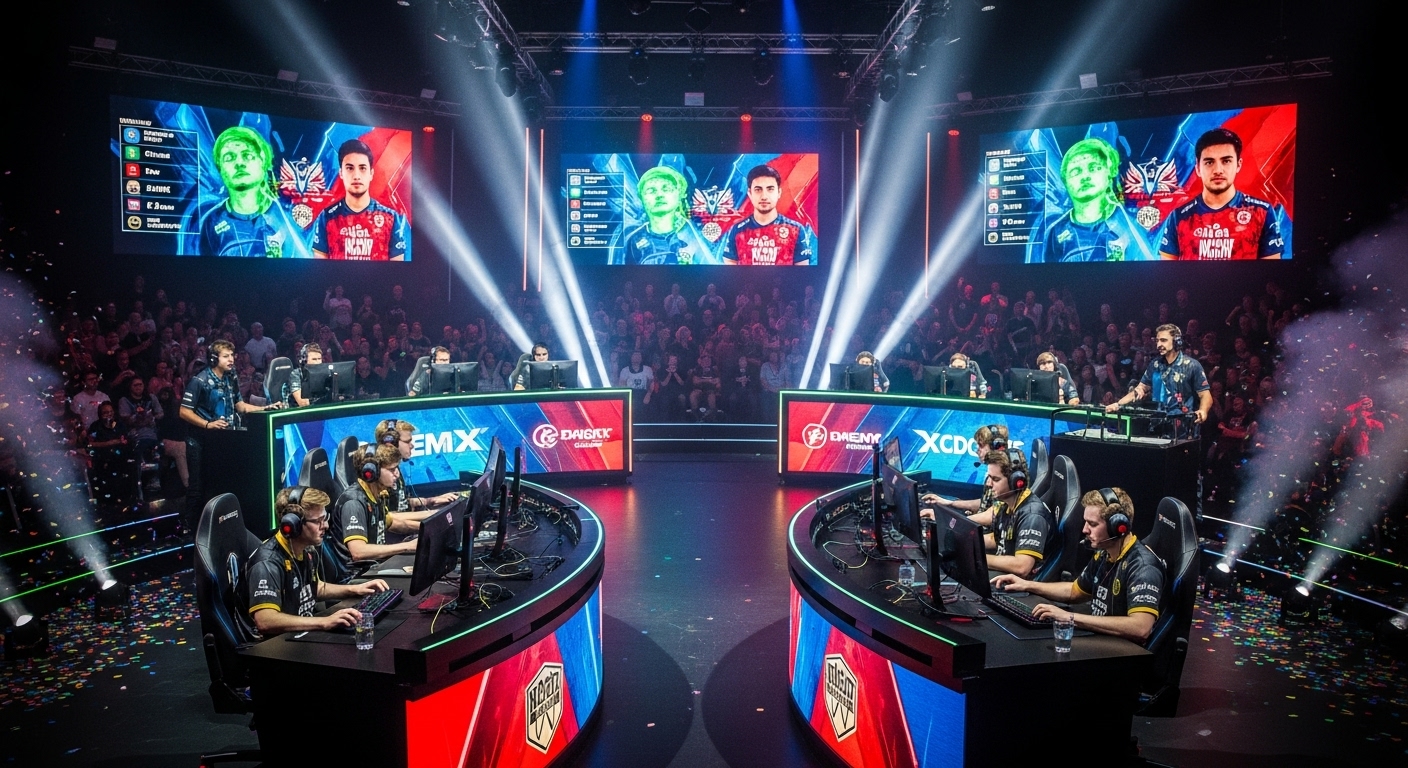
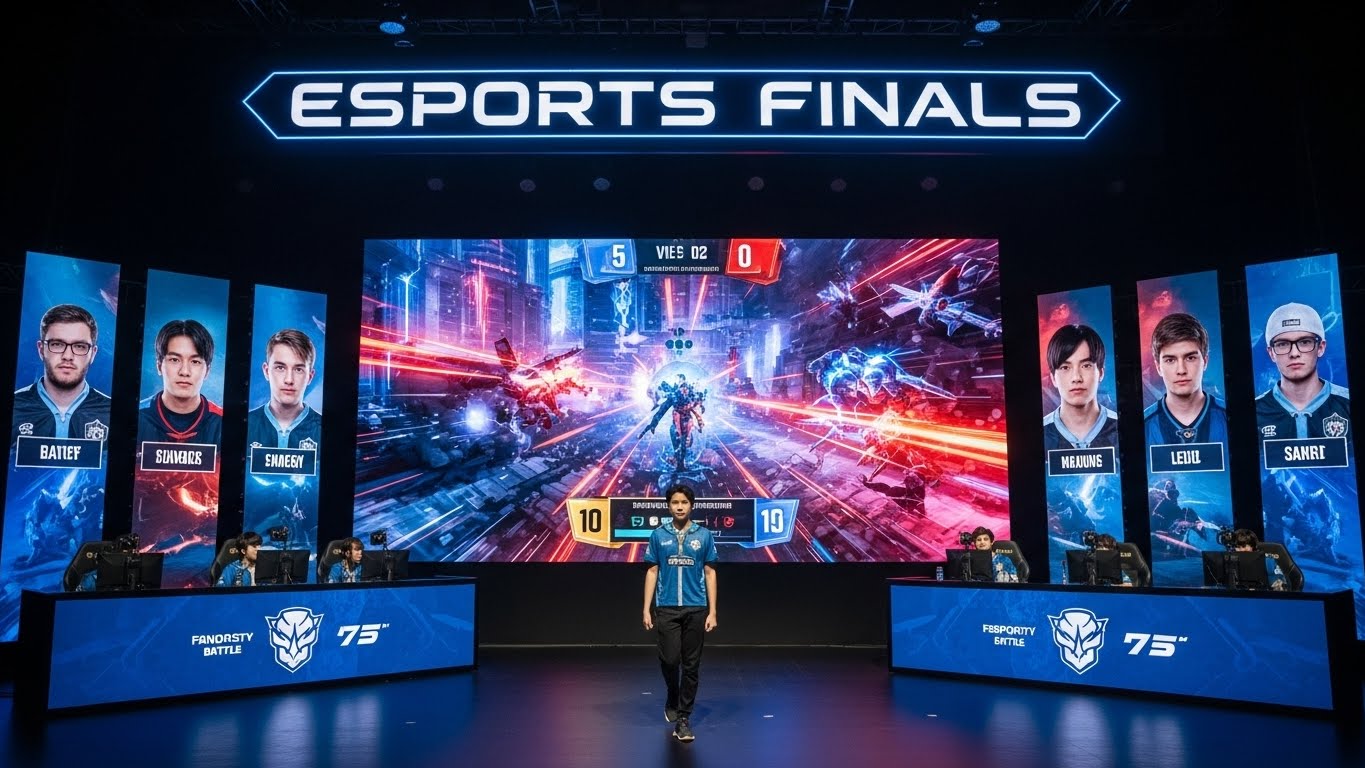
Esports has grown from casual gaming sessions among friends into a global competitive phenomenon watched by millions. What once seemed like a niche hobby is now a structured industry with professional players, massive tournaments, dedicated training regimes, and passionate fanbases. Esports is no longer only about entertainment; it represents a cultural shift in how competition, skill, and sportsmanship are defined in the digital era.
The Origins of Esports
The roots of esports can be traced back to the early days of video games, when players competed for high scores in arcades. As home consoles and personal computers became more common, competitive gaming moved into living rooms and local communities. Early multiplayer games laid the foundation for organized competitions, but it was the rise of the internet that truly transformed esports. Online connectivity allowed players from different regions to compete, practice, and build communities, turning isolated competitions into global events.
The Rise of Professional Gaming
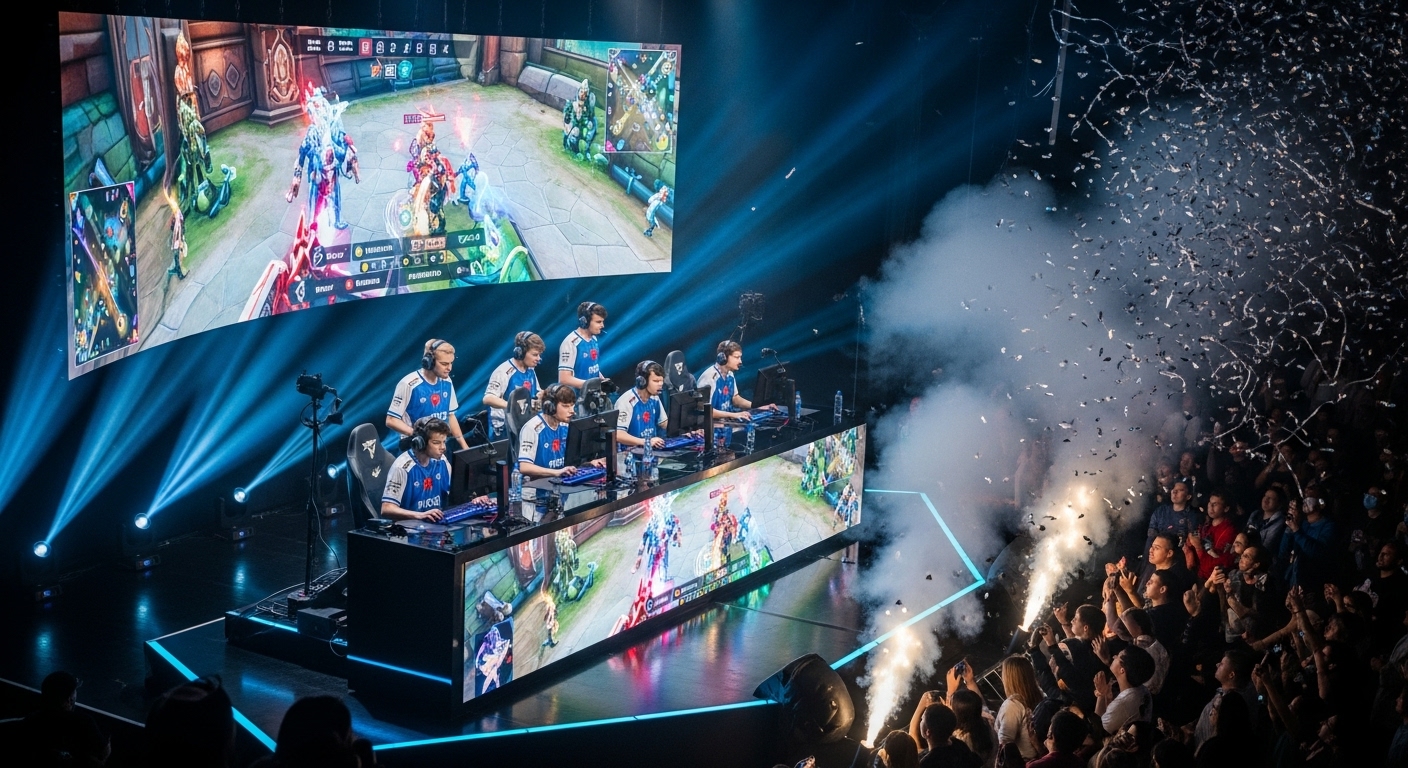
Professional esports emerged when competitive gaming began offering structured tournaments and prize pools. Players started dedicating significant time to mastering specific games, forming teams, and developing strategies. Organizations recognized the potential and began signing players, providing salaries, coaching, and training facilities. This shift mirrored traditional sports, where athletes train full time and represent clubs or franchises. Today, professional gamers are recognized for their discipline, reflexes, teamwork, and mental endurance.
Popular Esports Genres and Games
Esports is not limited to one type of game. It spans multiple genres, each appealing to different audiences. Multiplayer online battle arena games focus on strategy and teamwork. First-person shooters emphasize precision, reaction time, and coordination. Real-time strategy games test decision-making and long-term planning, while sports simulation games bridge the gap between traditional sports fans and gamers. This diversity ensures that esports remains inclusive and constantly evolving.
Esports as a Global Industry
The esports ecosystem now includes players, teams, tournament organizers, broadcasters, analysts, coaches, and content creators. Sponsorships and brand partnerships play a major role, supporting teams and events while connecting companies with younger, digitally engaged audiences. Merchandise, ticketed live events, and media rights further contribute to the industry’s growth. Esports has become a significant economic force, generating employment and new career paths that did not exist a decade ago.
Training, Discipline, and Mental Strength
Contrary to the stereotype that gaming is casual or effortless, professional esports requires intense training. Players often practice for many hours a day, refining mechanics, studying opponents, and developing team synergy. Physical fitness and mental health are increasingly recognized as essential, as long hours of play demand stamina and focus. Teams now employ fitness trainers and psychologists to ensure players perform at their best and avoid burnout.
The Role of Technology in Esports
Technology is the backbone of esports. High-performance computers, advanced peripherals, and stable networks are essential for fair competition. Streaming technology allows fans to watch matches live, interact with players, and engage in real-time discussions. Innovations such as virtual reality and augmented reality are beginning to influence how esports events are experienced, making competitions more immersive for both players and spectators.
Community and Fan Culture
One of the strongest elements of esports is its community. Fans are deeply engaged, often supporting teams and players with loyalty similar to traditional sports fandom. Online platforms allow direct interaction between players and fans, breaking down barriers and creating a sense of closeness. Community-driven content, discussions, and events help esports thrive beyond tournaments, turning it into a shared culture rather than just a competition.
Esports and Education
Educational institutions are increasingly embracing esports. Schools and universities have started offering esports programs, scholarships, and dedicated facilities. These initiatives recognize that competitive gaming can develop valuable skills such as teamwork, communication, problem-solving, and strategic thinking. Esports in education also provides a pathway for students who may not connect with traditional sports but still seek competitive and collaborative experiences.
Challenges Facing Esports
Despite its success, esports faces challenges. Issues such as player burnout, lack of standardized regulations, and concerns about fair play require ongoing attention. The rapid growth of the industry sometimes outpaces the development of governance structures, leading to inconsistencies across tournaments and regions. Additionally, maintaining inclusivity and addressing toxicity within online communities remain important goals for the future of esports.
The Future of Esports
The future of esports looks promising. As technology continues to advance, esports will likely become even more immersive and accessible. Cross-cultural competitions will strengthen its global appeal, and greater recognition may further blur the line between esports and traditional sports. With continued investment, improved player welfare, and growing mainstream acceptance, esports is positioned to remain a defining part of modern entertainment.
Conclusion: A New Era of Competition
Esports represents a transformation in how competition is experienced and celebrated. It combines technology, skill, strategy, and community in a way that reflects the digital age. From its humble beginnings to its current status as a global industry, esports has proven that competition does not need a physical field to inspire passion and excellence. As it continues to evolve, esports will shape not only the future of gaming but also the broader culture of sports and entertainment.