Introduction: The Rise of Competitive Gaming
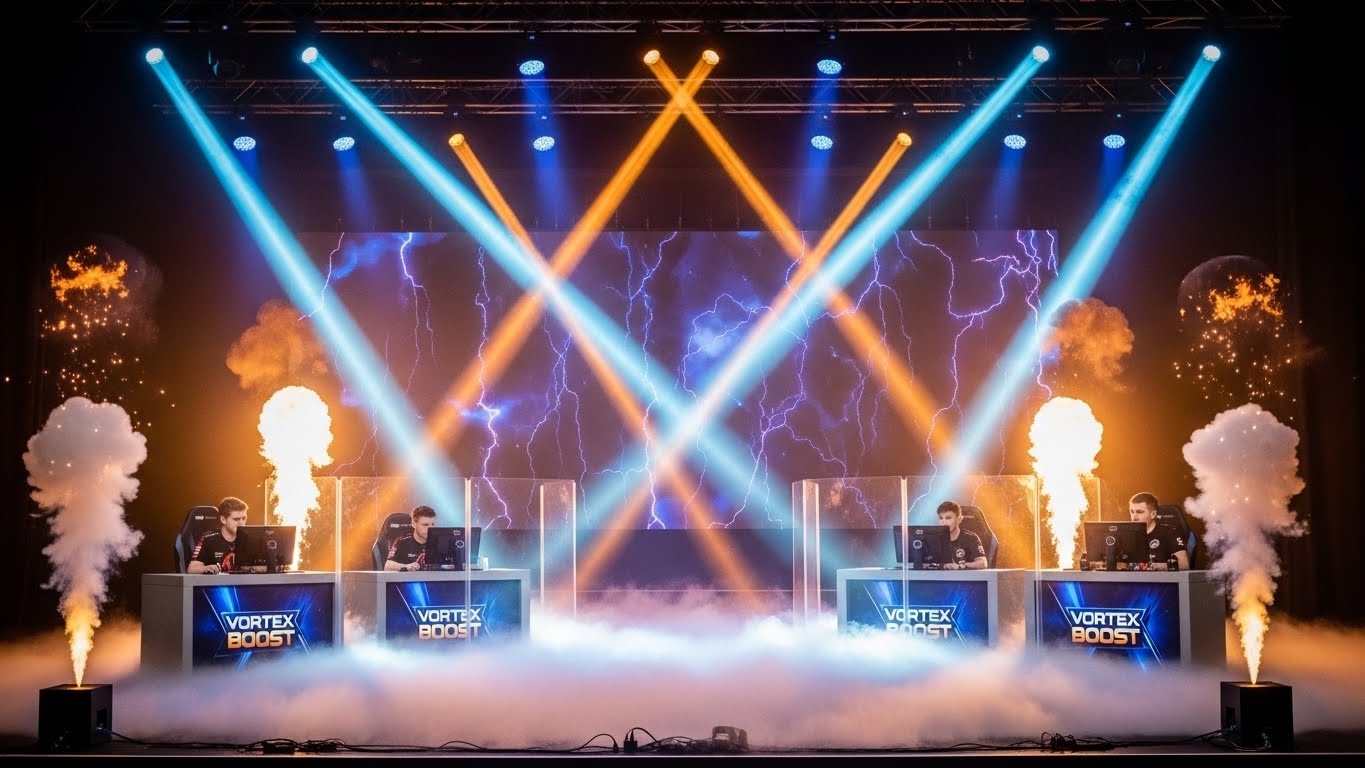
In the world of entertainment, there’s a revolution quietly unfolding. Competitive video gaming, or esports, has risen from being a niche hobby to a global phenomenon. It’s no longer just about playing games for fun; esports has evolved into a billion-dollar industry that attracts millions of viewers, offers high-paying careers, and showcases the immense potential of digital competition. The massive growth of esports has transformed gaming into a legitimate sport, with professional leagues, team organizations, sponsorship deals, and televised tournaments becoming a norm in today’s digital-first world.
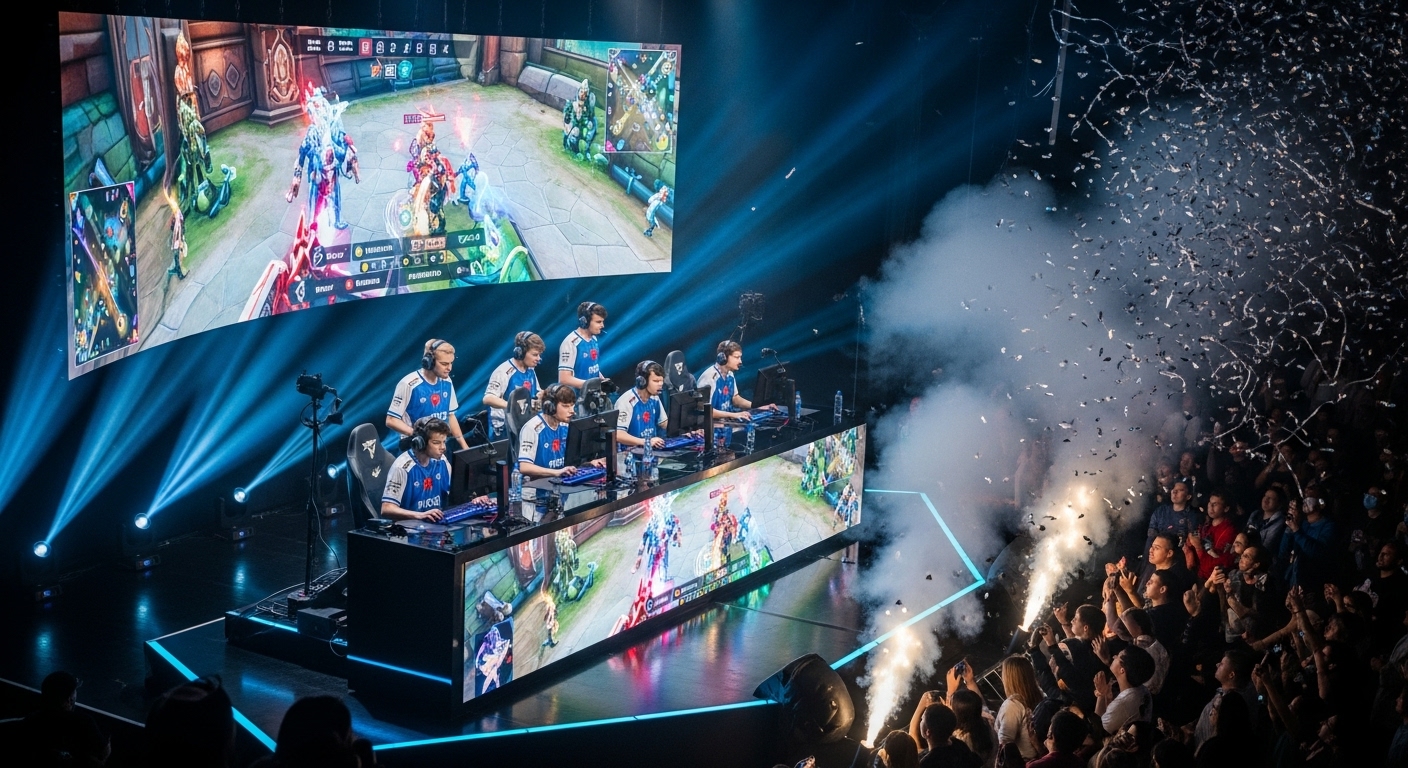
Esports is now an international arena where athletes train, strategize, and compete for global recognition. With millions of fans tuning in to watch live streams and packed stadiums for championship events, competitive gaming has proven to be more than just a passing trend. It’s reshaping how we view entertainment, sport, and even career opportunities for players and professionals alike. In this blog post, we’ll dive deep into the rise of esports, its economic impact, cultural influence, and the challenges the industry faces.
The Evolution of Esports: From Arcade Games to Global Tournaments
Esports, as we know it today, is a product of decades of evolution. It all started in the 1970s with the first-ever video game competition. In 1972, Stanford University hosted the Spacewar! tournament, a simple event where students competed for a subscription to Rolling Stone magazine. While modest, this event marked the birth of competitive gaming.
As video game technology advanced throughout the 1980s and 1990s, the first real competitive gaming events began to take shape. Arcade games like Pac-Man and Space Invaders attracted a large following, and competitions began to form around these popular titles. In 1997, the first major online competition was held for StarCraft, a real-time strategy game. This marked the beginning of esports as we know it—games that allowed players to compete with each other from different locations.
In the early 2000s, esports found a home in South Korea, which played a pivotal role in its development. The country’s government recognized the potential of esports and established infrastructure to support the growing industry. Dedicated esports stadiums were built, and professional leagues such as the Korean StarCraft League (KSL) gained popularity. This model quickly spread to other parts of the world, and today, esports competitions attract millions of viewers across the globe.
The Esports Ecosystem: A Complex Web of Players, Teams, and Sponsors
The modern esports ecosystem is much more than just gamers playing video games. It’s a complex industry supported by a diverse group of stakeholders, from players and coaches to sponsors and content creators. At the center of the ecosystem are the professional players—elite athletes who devote themselves to mastering their chosen games.
Professional esports players often train for eight or more hours a day, refining their gameplay, studying strategies, and perfecting their techniques. The mental and physical demands are similar to those of traditional sports. Players must maintain focus, agility, and quick decision-making abilities. This intense training regimen has led to the emergence of esports teams that support these players, providing not just coaching but also training facilities, psychologists, and nutritionists.
Esports organizations, such as Team Liquid, Cloud9, and Fnatic, manage these teams, representing them in various leagues and tournaments. Just like professional football or basketball teams, these organizations recruit players, negotiate sponsorship deals, and market the team to a growing global fanbase.
Another critical component of the esports ecosystem is the broadcasting and streaming sector. Platforms like Twitch, YouTube Gaming, and Facebook Gaming have enabled players to live-stream their gameplay, interact with fans, and build personal brands. Streaming has become a major revenue source for top players and organizations, with fans subscribing to their channels and making donations to support their favorite gamers. This ability to monetize gameplay has attracted influencers from various backgrounds, creating an even wider appeal for esports content.
The Popularity Explosion: Esports Goes Global
Today, esports is a global industry with massive viewership, attracting audiences comparable to those of traditional sports. One of the primary factors contributing to esports’ rise is its accessibility. Unlike traditional sports, which require physical infrastructure, esports only requires a computer or console and an internet connection. This makes it easy for anyone, anywhere in the world, to participate in or watch esports competitions.
Esports events are now broadcast on a global scale, often attracting millions of live viewers. The League of Legends World Championship, for example, consistently draws viewership numbers exceeding 100 million annually, with some matches even drawing more viewers than the Super Bowl. The rise of streaming platforms, especially Twitch, has enabled fans to watch esports tournaments in real-time, making it a highly interactive and engaging form of entertainment.
Major companies and brands have recognized the massive audience that esports commands. Sponsorships and partnerships have played a huge role in funding and developing the esports scene. Traditional brands such as Coca-Cola, Intel, and Nike, as well as tech companies like Microsoft and Nvidia, are investing in esports. In fact, some of the world’s largest events, like The International for Dota 2, feature prize pools of over $40 million, with sponsors contributing millions of dollars to make these events possible.
The Economic Impact of Esports: A Multi-Billion Dollar Industry
The economic footprint of esports is staggering. According to recent reports, the esports industry is projected to generate over $1 billion in revenue globally. This includes money from sponsorships, media rights, ticket sales, merchandise, and advertising. Major esports tournaments now offer multi-million-dollar prize pools, attracting the best players in the world and fueling the growth of the industry.
Esports’ influence goes beyond just players and tournaments. It has created jobs across various sectors—event organizers, game developers, broadcasters, marketing professionals, and analysts are all vital components of the esports machine. Many colleges and universities now offer esports scholarships, with players being recruited for competitive teams much like traditional student-athletes. Entire programs dedicated to esports education, such as game design, management, and broadcasting, are becoming more common, allowing students to pursue careers within the industry.
Content creators, streamers, and influencers are another significant revenue stream. Top-tier streamers make millions of dollars from advertisements, donations, and sponsorships, all while entertaining and educating their audience. As a result, the industry has created a wide range of professional opportunities, from coaching and commentary to event management and game development.
The Challenges: Burnout, Cheating, and Accessibility
Despite its rapid growth, the esports industry faces significant challenges. One of the most prominent issues is burnout. The pressure to consistently perform at a high level can be overwhelming for professional players. Many players start their careers at a young age, and the intense demands of training and competition often result in mental and physical exhaustion. As the esports industry matures, organizations are increasingly offering mental health support and wellness programs to combat burnout and ensure the long-term well-being of their players.
Another issue plaguing the esports world is cheating. The rise of esports betting and high-stakes tournaments has led to match-fixing and cheating scandals, which have tarnished the integrity of some competitions. Developers and tournament organizers are continuously working to address these issues through anti-cheat software, better monitoring systems, and stricter regulations.
Finally, accessibility remains a challenge. Although esports is a digital activity, the required equipment and high-speed internet connection make it difficult for some regions and individuals to fully participate. Many players in developing countries face barriers to entry due to the cost of gaming hardware, making it harder for them to break into professional esports.
The Future of Esports: Continued Growth and Integration with Traditional Sports
The future of esports is undoubtedly bright. With its rapid growth, evolving technology, and global fanbase, esports is poised to become an even bigger part of the entertainment landscape. One of the key factors in this growth will be technological innovation. Virtual reality (VR) and augmented reality (AR) are likely to play a larger role in future esports competitions, providing even more immersive experiences for players and viewers alike.
We may also see greater collaboration between traditional sports and esports. Many professional sports teams have already entered the esports space, creating their own teams or sponsoring players. This crossover is likely to expand, with major sports franchises investing in esports leagues, thus bridging the gap between physical and digital competition.
As esports continues to integrate into mainstream culture, it could eventually become a part of large-scale events like the Olympics, further legitimizing it as a true sport. The ongoing development of esports as a cultural and economic force will be one of the defining features of the next decade.
Conclusion: The Evolution of a Digital Dynasty
Esports has gone from a hobby to a global industry, and it’s only getting started. As gaming continues to evolve, so too does the world of competitive gaming. The increasing popularity, financial growth, and cultural impact of esports have made it a legitimate form of entertainment and competition, bringing together players, fans, and brands in new and exciting ways.
For those looking to be a part of the next big thing, esports offers a vast array of opportunities—from professional players to coaches, analysts, and content creators. As the industry continues to grow, it will redefine not just what it means to compete but also what it means to be entertained in the digital age. In the coming years, esports will undoubtedly continue to shape the future of entertainment and digital competition, cementing its place in the world’s most popular and impactful industries.