Introduction
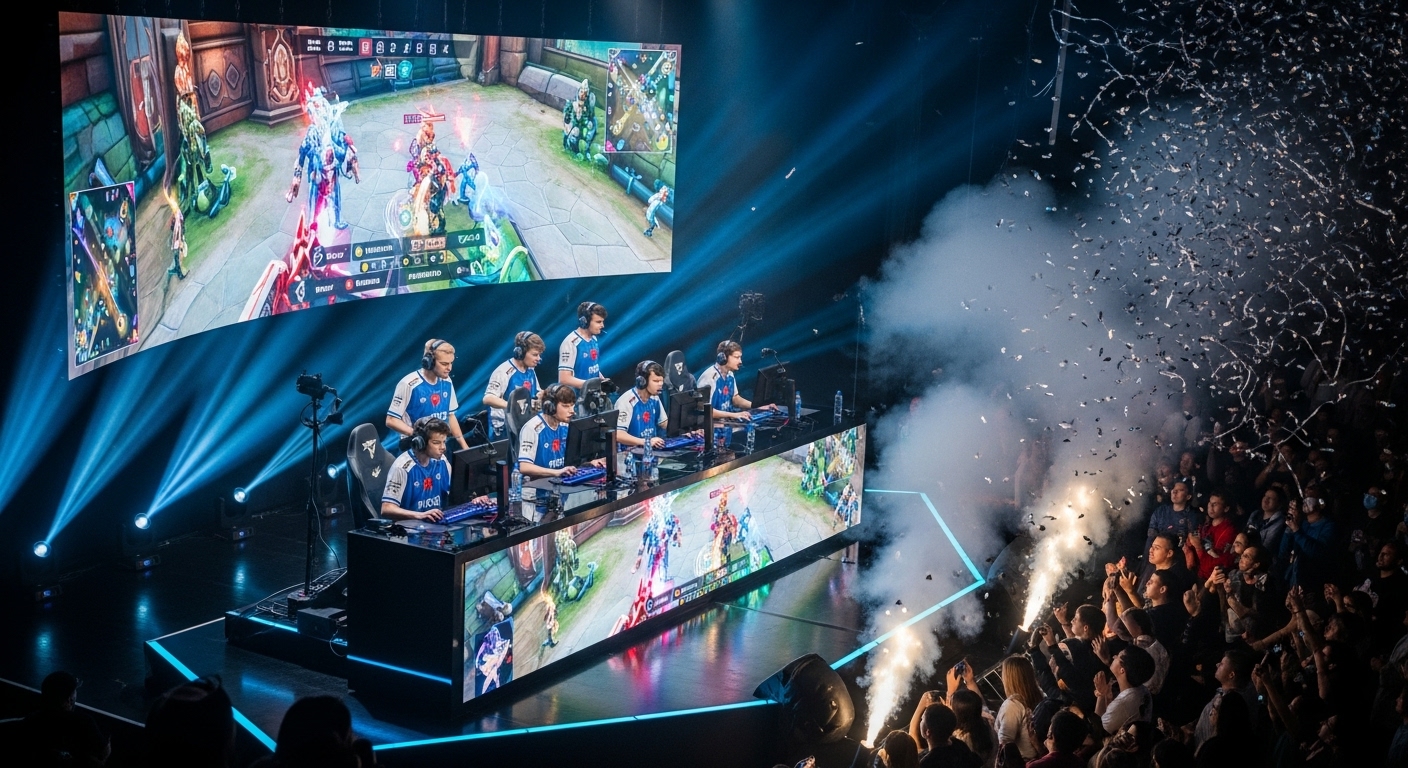
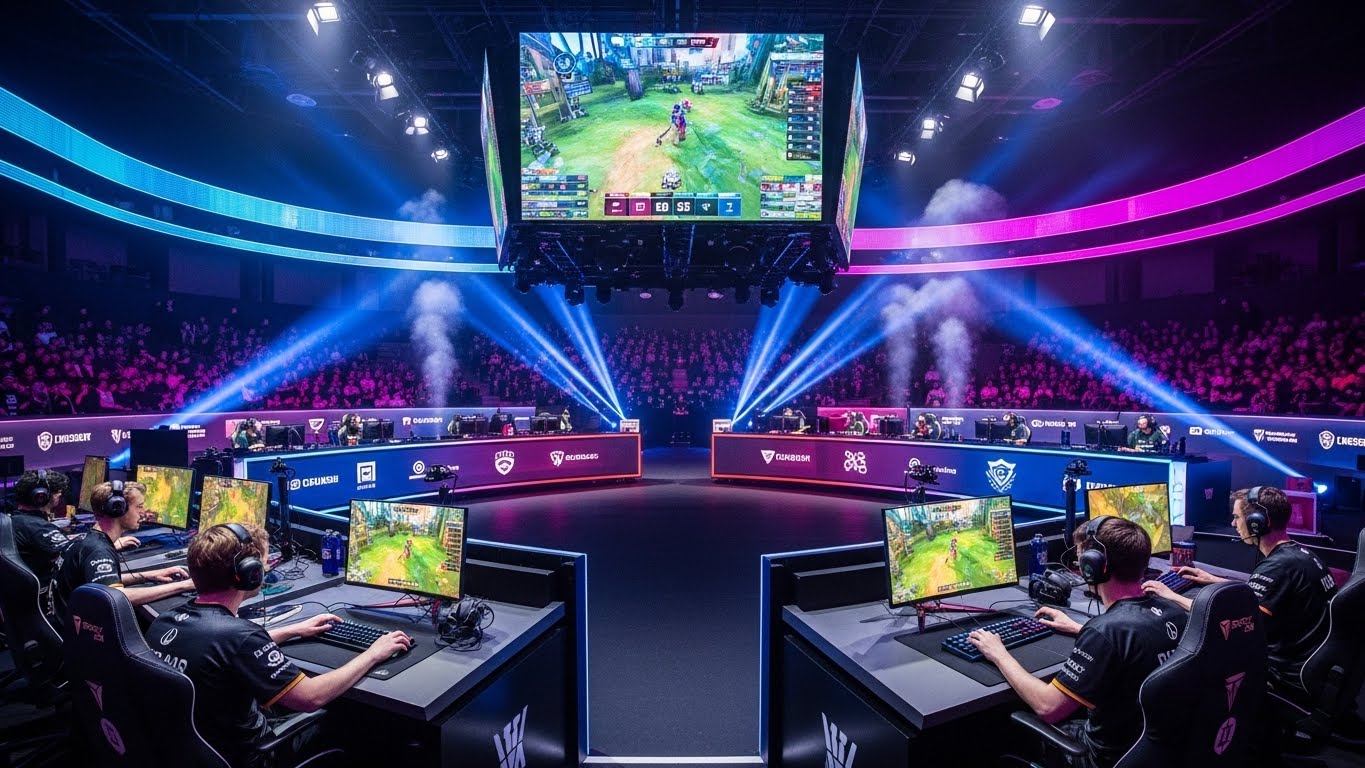
Esports, short for electronic sports, has evolved from a niche hobby into a global phenomenon that rivals traditional sports in popularity, viewership, and financial impact. Competitive gaming now attracts millions of players and fans worldwide, with professional leagues, tournaments, and sponsorships forming a multi-billion-dollar industry. Unlike conventional sports, esports thrives entirely in the digital world, relying on video games as the medium for competition. This rapidly growing sector has not only transformed entertainment but also redefined what it means to be an athlete in the 21st century. Beyond the flashy tournaments and celebrity gamers, esports offers insights into technology, strategy, teamwork, and the evolving relationship between humans and machines.
The Origins and Rise of Esports
Esports can trace its roots back to the 1970s and 1980s when early video games like Space Invaders and Pac-Man began drawing competitive players. By the 1990s, multiplayer games such as Quake, StarCraft, and Counter-Strike created organized communities, online ladders, and amateur tournaments. The rise of the internet accelerated esports, enabling players from different countries to compete in real time. In the 2000s, streaming platforms and professional leagues emerged, elevating esports into a global industry. Today, games like League of Legends, Dota 2, Fortnite, and Call of Duty dominate the esports landscape, offering players opportunities to compete professionally, gain sponsorships, and attract massive fan followings. The rise of esports reflects the intersection of gaming culture, technology, and entertainment in modern society.
The Global Popularity of Esports
Esports has transcended cultural and geographical boundaries to become a truly global phenomenon. Asia, particularly South Korea and China, has long been at the forefront, with dedicated esports arenas, television broadcasts, and professional training facilities. Europe and North America have rapidly caught up, with professional teams, collegiate leagues, and major tournaments drawing millions of viewers online. Platforms like Twitch and YouTube Gaming have allowed fans worldwide to watch live matches, interact with players, and become part of the esports community. The global popularity of esports is not just about games; it is about shared experiences, fandom, and the celebration of skill and strategy in a digital space.
Physical and Mental Demands of Esports
While esports may seem less physically demanding than traditional sports, professional gaming requires exceptional focus, precision, and endurance. Players must have fast reflexes, hand-eye coordination, and the ability to make split-second decisions under pressure. Long hours of practice, often spanning six to ten hours a day, demand stamina and mental resilience. Cognitive skills, including strategic planning, multitasking, and memory, are critical for high-level competition. Mental health is a growing concern in esports, as players can experience burnout, stress, and anxiety due to rigorous schedules and performance expectations. Maintaining balance through proper nutrition, physical exercise, and rest is crucial for sustaining long-term success in the competitive gaming arena.
Teamwork and Communication in Esports
Esports, particularly multiplayer games, places immense emphasis on teamwork and communication. Games like Dota 2, League of Legends, and Overwatch require precise coordination among team members, strategic execution, and real-time decision-making. Professional teams invest in coaches, analysts, and psychologists to enhance communication and optimize strategies. Effective teamwork in esports mirrors skills valuable in other areas of life, such as leadership, conflict resolution, and collaborative problem-solving. Players learn to trust one another, adapt to dynamic situations, and maintain composure even during high-pressure matches. The social and strategic dynamics of esports make it a rich platform for developing interpersonal and cognitive skills.
The Economic Impact of Esports
The economic influence of esports has expanded dramatically over the past decade. Sponsorships, advertising, merchandise, ticket sales, and streaming revenues generate billions annually. Major tournaments now feature multi-million-dollar prize pools, rivaling traditional sporting events. Companies invest in esports as a marketing channel, recognizing its appeal to younger audiences and digitally engaged consumers. Professional players have emerged as celebrities, earning significant income from endorsements, team contracts, and personal branding. The economic growth of esports has also created a wide range of career opportunities, from game development and event management to content creation, coaching, and journalism. This financial ecosystem has transformed gaming from a pastime into a professional industry with long-term viability.
Esports and Technology
Technology lies at the heart of esports. Advancements in high-speed internet, gaming hardware, streaming platforms, and data analytics have enabled esports to flourish. Cutting-edge computers, peripherals, and graphics technology allow players to perform at optimal levels, while platforms such as Twitch provide real-time interaction with fans. Data analytics tools track player performance, game statistics, and strategic trends, informing coaching decisions and team development. Virtual reality and augmented reality are beginning to create immersive experiences that redefine the esports landscape. The symbiotic relationship between esports and technology highlights the sector’s potential for innovation, entertainment, and human-machine collaboration.
Esports in Education
Education systems around the world are increasingly recognizing the value of esports. Universities and schools are creating esports programs, offering scholarships, and developing leagues to engage students in competitive gaming. Beyond entertainment, esports programs teach valuable skills such as critical thinking, communication, teamwork, and digital literacy. Collegiate leagues provide students with opportunities to compete professionally while pursuing academic goals. Esports in education also promotes inclusivity, encouraging participation from individuals who may not excel in traditional sports but thrive in strategic and cognitive competition. By integrating esports into educational frameworks, institutions prepare students for careers in gaming, technology, and creative industries.
Challenges Facing Esports
Despite its rapid growth, esports faces challenges that must be addressed for sustainable development. Issues such as cheating, toxicity, and harassment affect both players and the community. The intense pressure of competition can lead to mental health problems, burnout, and career instability. Gender inequality remains a concern, as women are underrepresented in professional esports and often face discrimination. Regulatory frameworks are still evolving, with questions about labor rights, player contracts, and tournament governance. Addressing these challenges requires coordinated efforts from governing bodies, teams, developers, and players to promote ethical practices, inclusivity, and long-term sustainability.
The Future of Esports
The future of esports is bright and full of possibilities. Emerging technologies such as artificial intelligence, virtual reality, and cloud gaming will continue to reshape how games are played and watched. Esports is likely to see further mainstream acceptance, with increased integration into traditional media, entertainment, and education. Global tournaments will continue to grow, attracting larger audiences and offering higher stakes. The rise of mobile esports is also expanding accessibility, allowing more players worldwide to participate. As esports continues to evolve, it will not only redefine competitive entertainment but also influence technology, education, and culture in profound ways.
Conclusion
Esports represents a transformative force in the modern era, merging technology, competition, and entertainment into a dynamic and accessible platform. It challenges conventional notions of athleticism, offering both mental and physical demands unique to the digital arena. Esports fosters teamwork, strategic thinking, and personal growth while creating significant economic opportunities and cultural impact. As a global phenomenon, it unites diverse communities, encourages innovation, and inspires the next generation of gamers, professionals, and creators. The evolution of esports is far from complete, but its influence on society is undeniable. By embracing the potential of competitive gaming, we not only celebrate digital skill and creativity but also recognize the power of human ingenuity and resilience in a world increasingly shaped by technology.