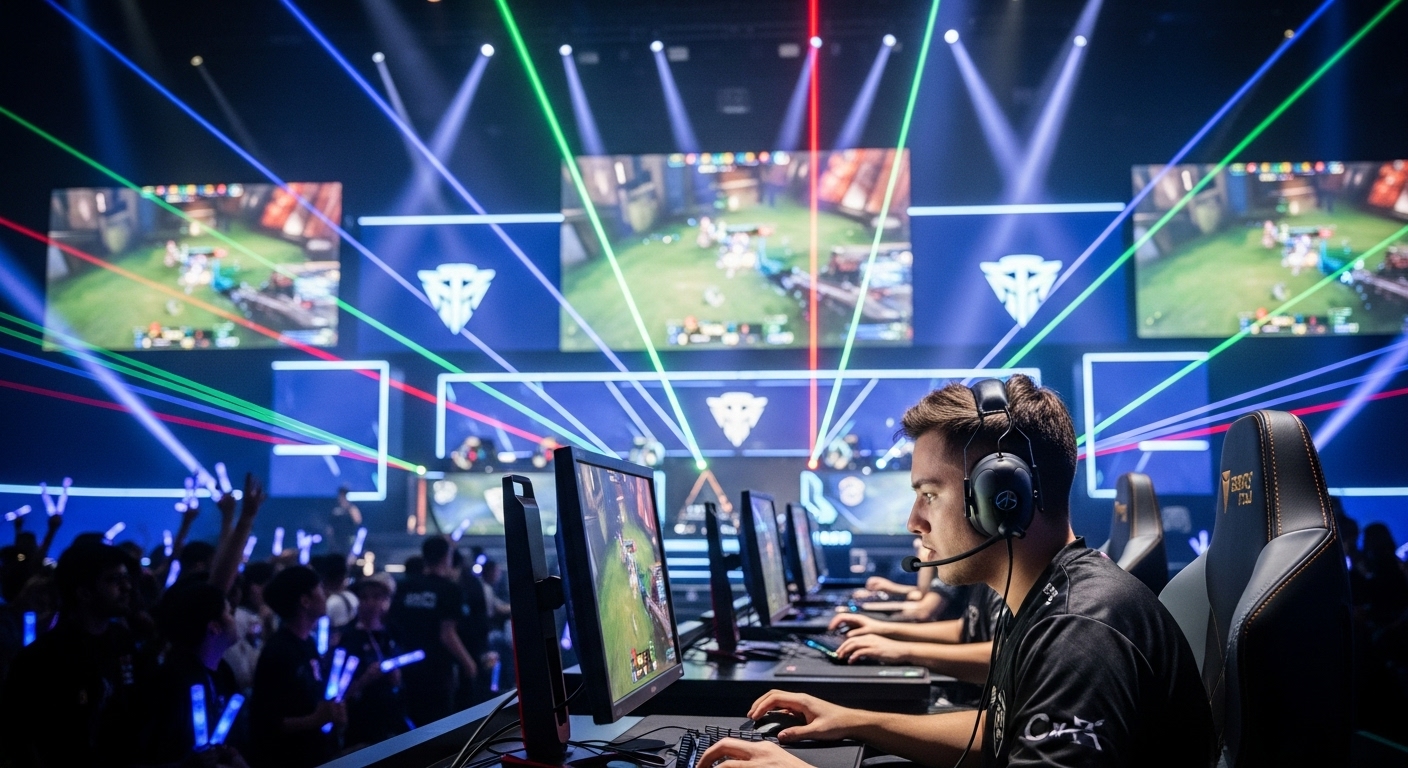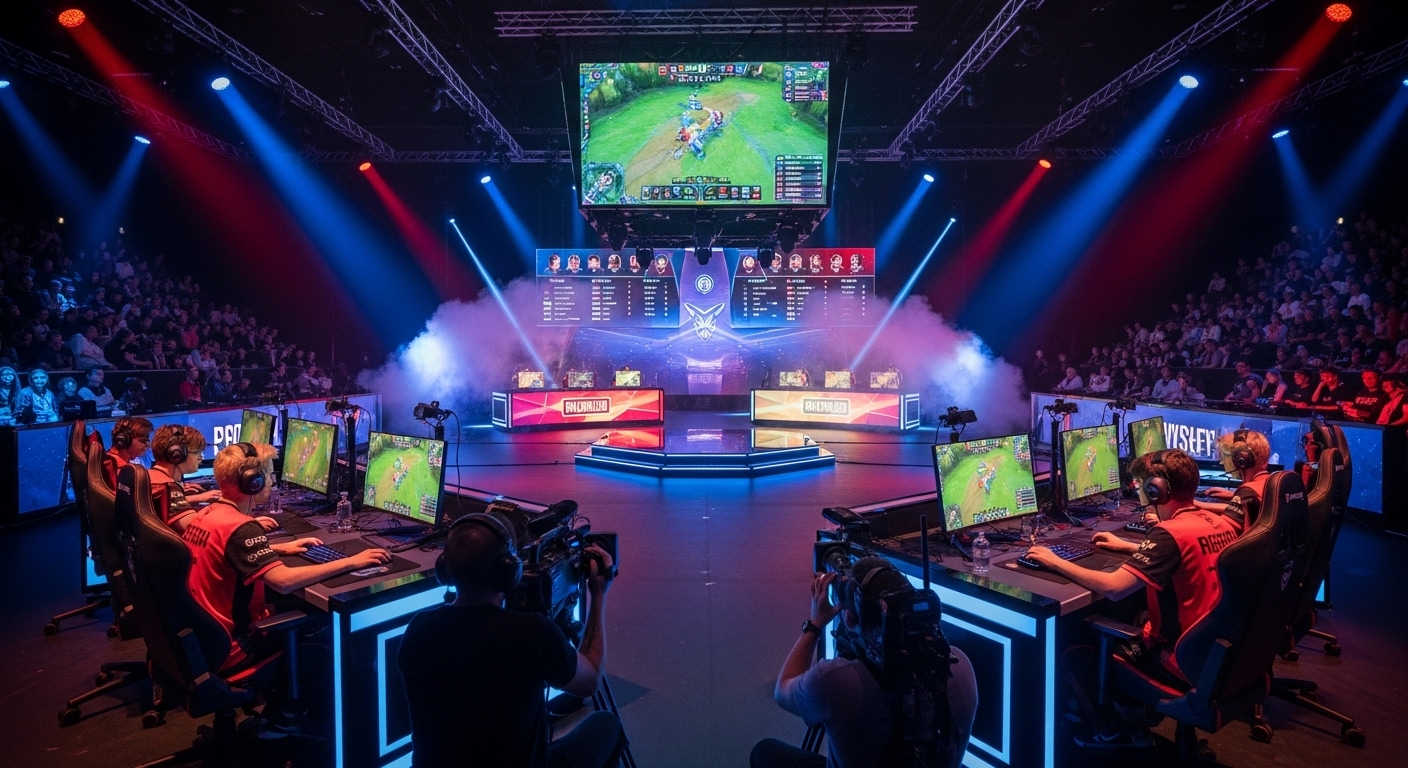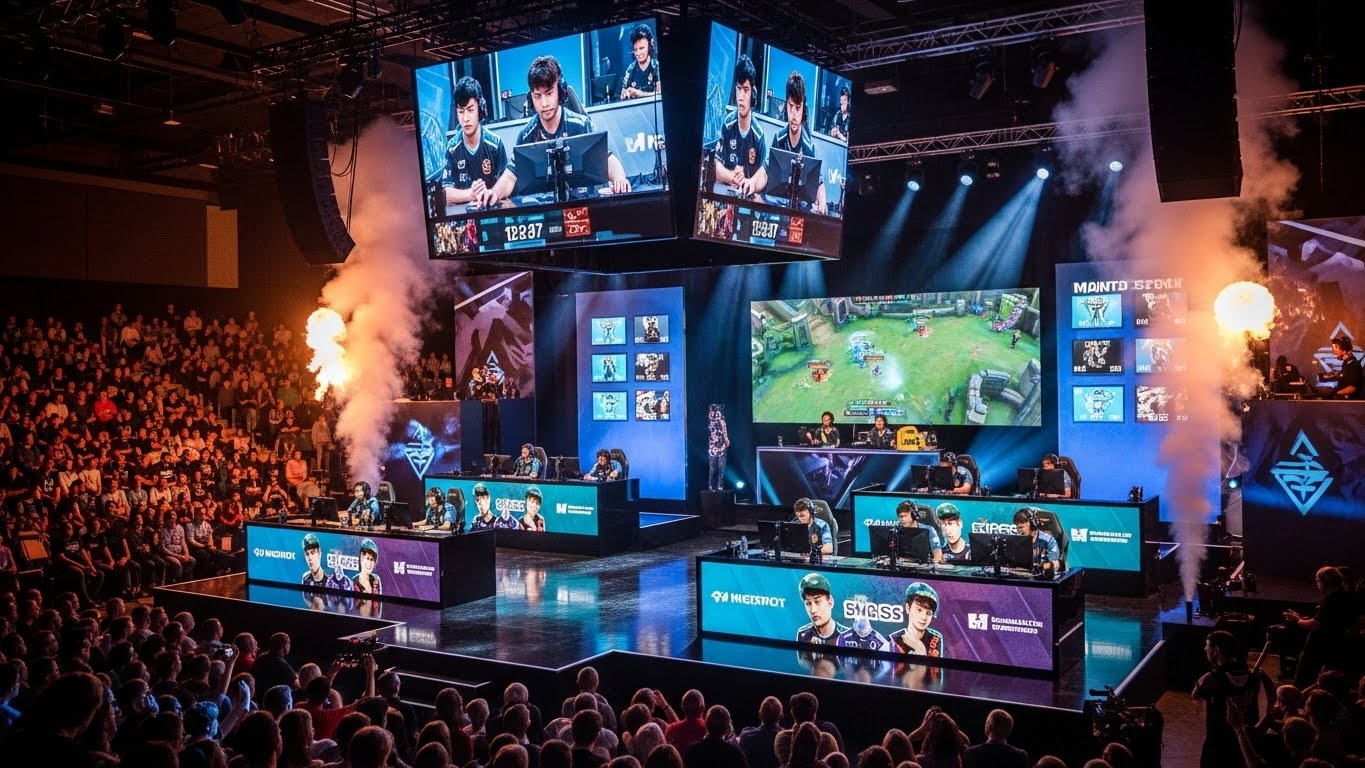
Introduction: The Digital Arena of Modern Competition
In the past decade, the world has witnessed a revolution in the way we perceive sports and competition. This revolution is not taking place on grass fields or wooden courts but on digital landscapes filled with virtual battles, strategic challenges, and fast-paced reflex contests. Welcome to the world of esports, where professional gaming has transformed from a casual pastime into a global phenomenon. Esports has not only created a new category of athletes but also reshaped entertainment, education, and even business models across the globe. Understanding esports requires a deep dive into its history, structure, cultural impact, and future potential.
The Evolution of Esports
Esports is far from a recent development. Competitive gaming can be traced back to the early 1970s when simple arcade games like Space Invaders and Pong sparked informal competitions. These early tournaments were modest affairs, often confined to local arcades or university campuses. By the late 1990s and early 2000s, the rise of the internet and online multiplayer games like StarCraft and Counter-Strike allowed competitive gaming to reach a broader audience. These games laid the foundation for organized leagues and professional competitions.
The term “esports” itself emerged as the industry matured, encompassing a wide variety of competitive gaming genres including first-person shooters, real-time strategy games, fighting games, and multiplayer online battle arenas. Unlike traditional sports, which are largely constrained by physical capabilities, esports emphasizes strategic thinking, hand-eye coordination, teamwork, and mental endurance. This unique combination of skills has attracted millions of players and fans worldwide, turning casual gaming into a structured and profitable industry.
The Structure of Esports Competitions
Esports competitions are organized with precision, mirroring the structure of conventional sports leagues. They range from small local tournaments to massive international championships with prize pools exceeding millions of dollars. The competitive scene can be broadly categorized into professional leagues, open tournaments, and online competitions.
Professional leagues, such as the League of Legends Championship Series and the Overwatch League, operate much like professional sports leagues. Teams sign players to contracts, train rigorously, and participate in seasonal matches culminating in championship events. Open tournaments, on the other hand, allow anyone to compete, often serving as a proving ground for emerging talent. Online competitions make participation accessible globally, allowing players from different countries to compete without geographic restrictions.
Esports tournaments are not just about individual skill. Teamwork, strategy, communication, and adaptability play critical roles in determining the outcome. The games themselves often evolve with patches and updates, forcing teams to continuously innovate. This dynamic nature of esports keeps fans engaged and creates a competitive environment that is both exciting and unpredictable.
Esports as a Career
One of the most striking aspects of esports is its potential as a legitimate career path. Professional esports players, often referred to as pro gamers, can earn substantial incomes through salaries, sponsorships, and prize money. The top players are celebrities in their own right, attracting millions of followers on streaming platforms and social media.
Beyond players, esports offers a variety of career opportunities including coaching, broadcasting, event management, content creation, marketing, and game development. The ecosystem of esports supports thousands of jobs globally, contributing to economic growth in technology, entertainment, and media sectors. For many young gamers, esports represents a dream career that combines passion, skill, and financial stability. However, it is also a demanding profession requiring long hours of practice, mental resilience, and adaptability to ever-changing game dynamics.
The Economic Impact of Esports
The growth of esports has significant economic implications. Global revenue from esports is projected to surpass several billion dollars annually, with sources of income ranging from sponsorship deals and merchandise sales to advertising and media rights. Major corporations have recognized the potential of esports as a marketing platform, targeting younger demographics that are increasingly difficult to reach through traditional media.
In addition to direct financial gains, esports has stimulated technological innovation. High-performance gaming hardware, streaming software, and virtual reality applications are all driven, in part, by the demands of competitive gaming. Cities and countries are investing in esports infrastructure, hosting international tournaments that boost tourism and local businesses. The economic impact of esports extends far beyond the players themselves, influencing a wide array of industries and reshaping the global entertainment landscape.
The Cultural Significance of Esports
Esports has developed its own vibrant culture, blending elements of gaming, music, fashion, and online communities. Fans are not merely spectators; they actively participate in forums, streaming platforms, and fan art communities, creating a unique sense of belonging. Esports events are celebrated as social gatherings, bringing together people from diverse backgrounds united by a shared passion.
This cultural shift challenges traditional perceptions of sports and leisure. Esports emphasizes mental agility and creativity over physical prowess, making competitive gaming more inclusive in some ways. It also intersects with mainstream pop culture, influencing fashion trends, music collaborations, and entertainment media. The rise of esports has redefined what it means to be an athlete and what forms of competition deserve recognition on a global stage.
The Role of Technology in Esports
Technology is the backbone of esports. High-speed internet, powerful gaming consoles, and sophisticated streaming platforms make competitive gaming possible. Advances in artificial intelligence and analytics allow teams to develop strategies, analyze opponents, and improve performance. Virtual reality and augmented reality are starting to offer new dimensions to competitive gaming, making it even more immersive and engaging.
Streaming technology has also transformed esports into a spectator sport. Platforms allow fans to watch live matches, interact with players, and access content on-demand. This digital ecosystem creates new opportunities for monetization and audience engagement, making esports one of the fastest-growing entertainment sectors in the world.
Challenges Facing the Esports Industry
Despite its growth, esports faces several challenges that could impact its long-term sustainability. One major concern is player health. The physical and mental strain of competitive gaming can lead to issues such as repetitive strain injuries, eye strain, and burnout. Maintaining a balance between training and wellness is essential for the longevity of professional players.
Another challenge is standardization. Unlike traditional sports with well-established rules and governing bodies, esports lacks uniform regulations. Different games and leagues have varying standards, making it difficult to establish universal norms. Moreover, issues such as cheating, match-fixing, and toxic behavior in online communities pose ongoing challenges for the industry. Addressing these concerns is crucial for maintaining credibility, attracting sponsors, and ensuring a positive experience for players and fans alike.
The Future of Esports
The future of esports appears promising, with continuous growth in viewership, revenue, and global reach. Innovations such as virtual reality competitions, AI-assisted training, and enhanced broadcasting experiences will redefine how esports is played and consumed. As technology evolves, so too will the ways in which fans engage with games, potentially creating hybrid experiences that blend physical and digital competition.
Education is also starting to embrace esports, with universities offering scholarships, degrees, and specialized programs in game design, esports management, and digital media. This formal recognition signals a shift in societal perception, positioning esports as a legitimate and respected field of study and career path.
Moreover, esports has the potential to influence social change. By promoting teamwork, strategic thinking, and inclusivity, esports can foster communities that transcend geographic, cultural, and social barriers. Its global reach allows it to serve as a platform for awareness campaigns, social interaction, and intercultural dialogue, highlighting its value beyond mere entertainment.
Conclusion: More Than Just a Game
Esports is no longer a niche hobby or a passing trend. It has become a multifaceted industry that encompasses entertainment, technology, education, and culture. Its impact is felt on economic, social, and technological levels, shaping the way we think about competition, careers, and digital interaction. As esports continues to evolve, it will challenge traditional notions of sports, redefine the concept of athleticism, and create opportunities for a new generation of players and professionals.
Ultimately, esports represents the convergence of passion, skill, and technology—a phenomenon that goes beyond the screen to touch lives, communities, and economies worldwide. Whether one is a player, fan, or industry professional, the rise of esports is a reminder that competition, creativity, and human ingenuity can thrive in even the most virtual of arenas.