Introduction: The Rise of Esports
In the last decade, esports has transitioned from a niche hobby to a global phenomenon. Competitive gaming now attracts millions of viewers, professional players, and sponsors worldwide. Esports is not just about playing video games; it is a highly organized, skill-driven, and competitive industry that rivals traditional sports in popularity, revenue, and cultural influence. With advancements in technology, streaming platforms, and global connectivity, esports has created new career paths, entertainment experiences, and communities. This blog explores the evolution of esports, its social and economic impact, and the trends shaping the future of digital competition.
The Evolution of Esports
Esports traces its origins to the late 20th century, with early arcade competitions and video game tournaments. Games like Space Invaders, Pac-Man, and Street Fighter laid the groundwork for organized competitive gaming. The advent of the internet in the 1990s accelerated esports, allowing players to compete online and connect globally.
The 2000s saw the rise of professional leagues for games like StarCraft, Counter-Strike, and Warcraft. Streaming platforms such as Twitch revolutionized audience engagement, turning esports into a spectator sport. Today, esports encompasses a variety of genres, including first-person shooters, multiplayer online battle arenas, real-time strategy, and sports simulation games. Esports has become a cultural and economic force, attracting mainstream recognition and global audiences.
The Popular Genres in Esports
Esports features a wide array of competitive gaming genres. Some of the most popular include:
First-Person Shooters (FPS): Games like Call of Duty, Counter-Strike, and Valorant demand quick reflexes, precise aim, and strategic coordination. FPS titles are among the most-watched esports categories globally.
Multiplayer Online Battle Arena (MOBA): Titles like League of Legends and Dota 2 emphasize teamwork, strategy, and long-term planning. MOBAs are renowned for their complex gameplay and competitive depth.
Real-Time Strategy (RTS): RTS games such as StarCraft require players to make fast decisions, manage resources, and anticipate opponents’ moves, combining tactical and strategic thinking.
Sports Simulation Games: FIFA, NBA 2K, and Madden NFL allow players to simulate real-life sports competitions. These games attract both casual and professional players, bridging esports with traditional sports fandoms.
Battle Royale Games: Fortnite and PUBG have popularized the battle royale format, combining survival, strategy, and fast-paced action, appealing to younger audiences and casual players.
The Rise of Professional Players
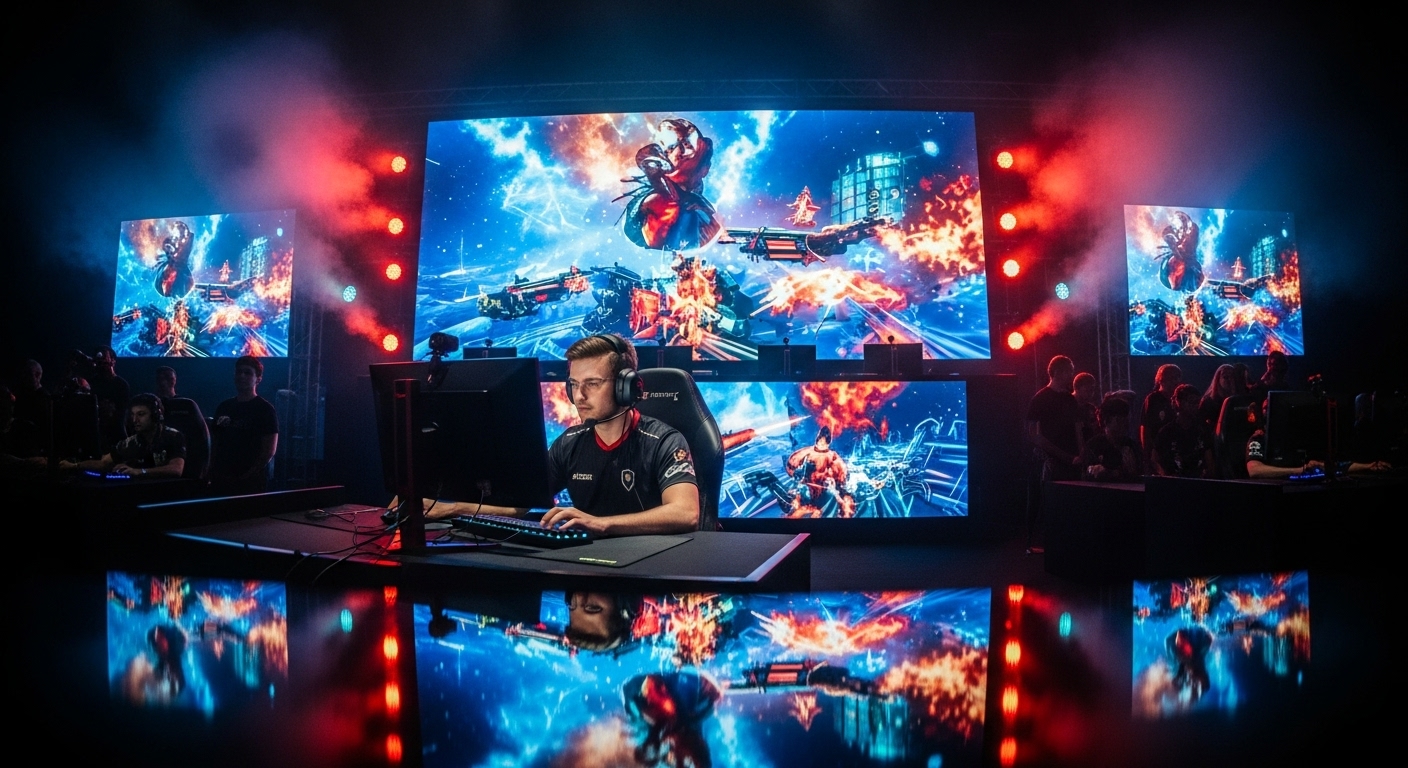
Esports has created a new class of professional athletes. Players train rigorously, often dedicating eight to twelve hours a day to practice, studying strategies, and analyzing opponents. Professional esports athletes require exceptional hand-eye coordination, reaction time, communication skills, and mental resilience.
Teams and organizations recruit players based on talent, performance, and teamwork abilities. Players participate in regional and international tournaments, with prize pools reaching millions of dollars. Like traditional athletes, esports professionals also engage in brand partnerships, content creation, and fan interactions, transforming gaming into a full-fledged career.
The Role of Teams and Organizations
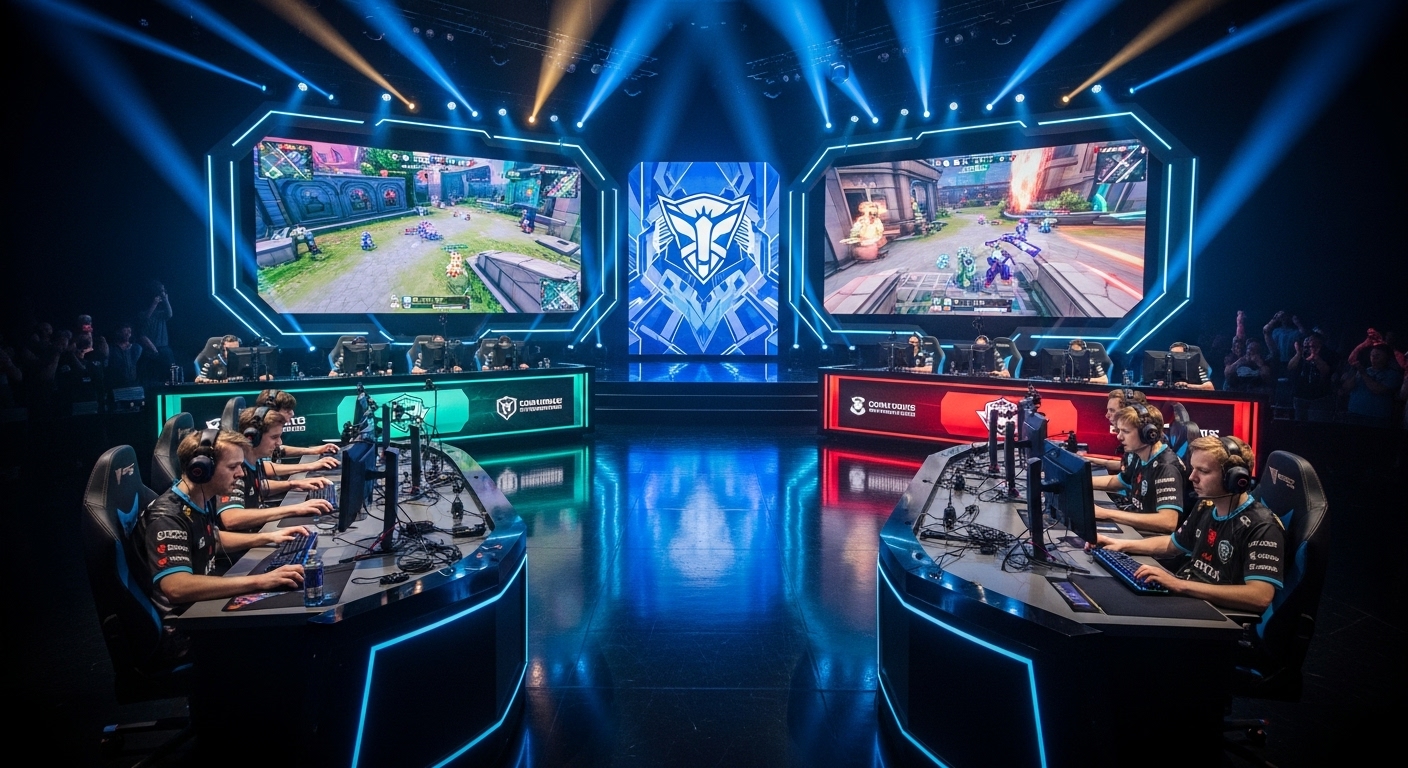
Esports is highly organized, with teams and organizations playing a central role. Teams operate like professional sports clubs, providing coaching, management, training facilities, and sponsorship opportunities. They participate in leagues and tournaments, representing fans and countries globally.
Organizations also handle marketing, brand partnerships, and media presence, ensuring sustainability and growth. The professionalism of teams has elevated the legitimacy of esports, attracting investors and mainstream media attention. The structured ecosystem mirrors traditional sports, bridging the gap between gaming and organized competition.
Technology and Its Impact on Esports
Technology underpins the growth and accessibility of esports. High-speed internet, gaming hardware, and streaming platforms make competitive gaming possible at a global scale. Advanced software allows for real-time statistics, performance analysis, and spectator engagement, enhancing both gameplay and entertainment.
Virtual reality and augmented reality are beginning to influence esports, offering immersive experiences and innovative competition formats. AI-driven tools help analyze player performance, refine strategies, and enhance training. Technology continues to push the boundaries of esports, creating new opportunities for players, teams, and fans alike.
Esports as a Spectator Sport
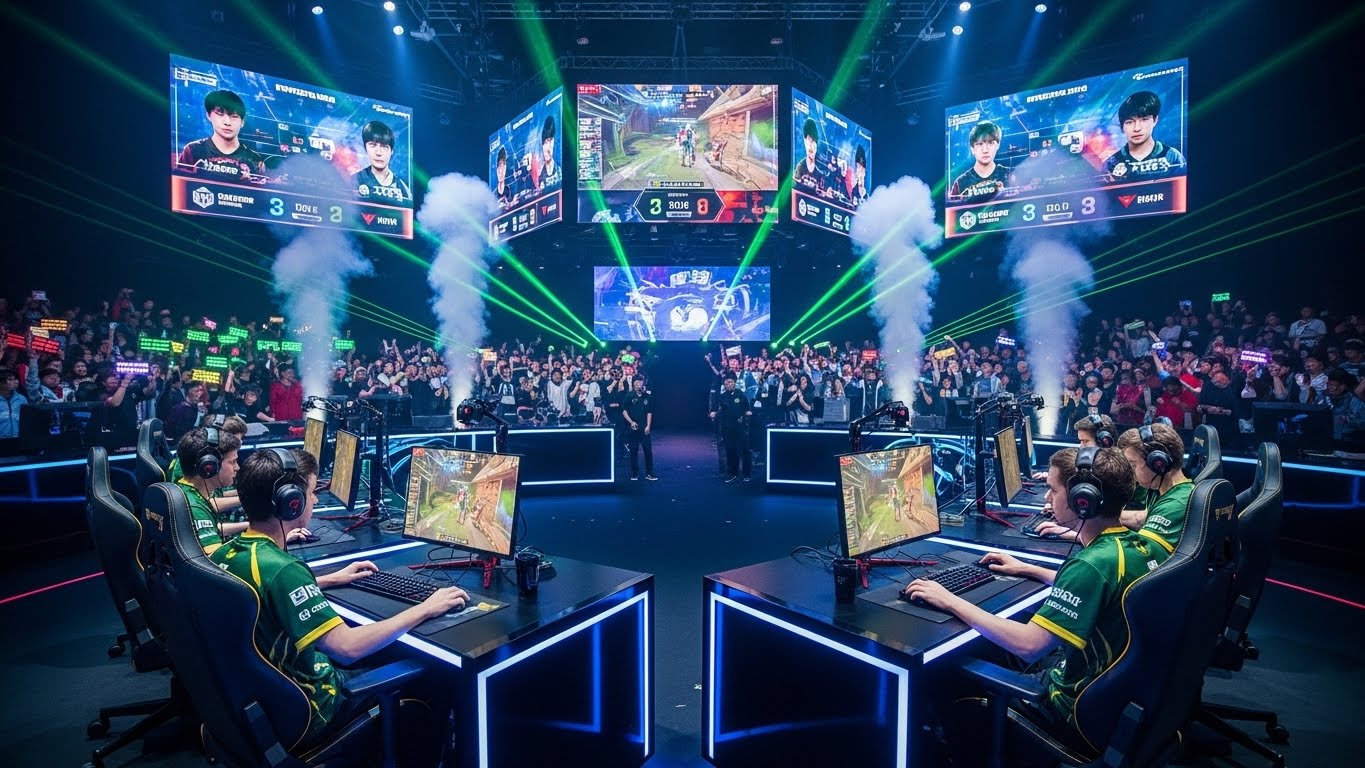
One of the defining features of esports is its spectator culture. Millions of fans watch live streams, tournament broadcasts, and highlight reels daily. Streaming platforms provide real-time interaction, allowing viewers to engage with players, commentators, and fellow fans.
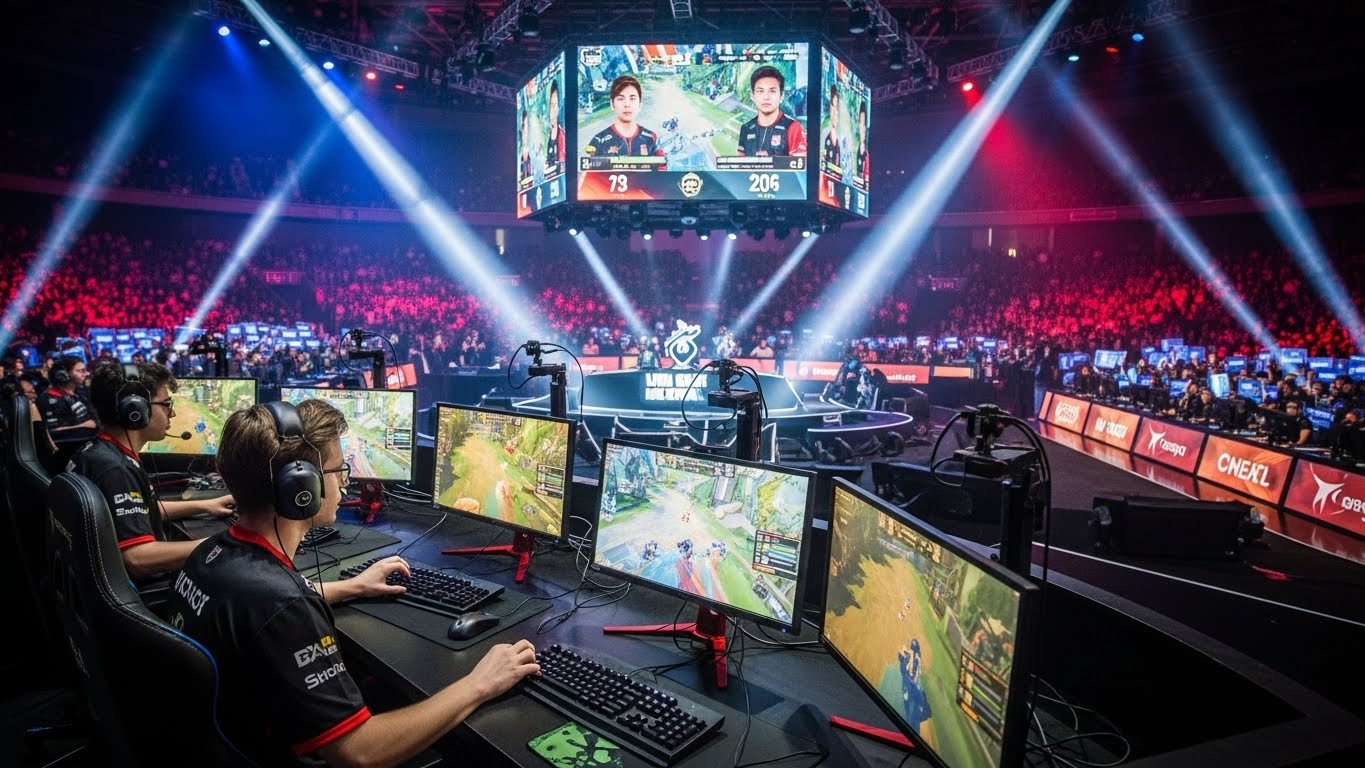
Esports audiences are highly engaged, often forming global communities around games, teams, and events. Tournaments are held in stadiums, convention centers, and online, offering live experiences akin to traditional sports. The rise of esports spectatorship has transformed gaming into a major entertainment industry, influencing media, marketing, and advertising trends.
The Economic Impact of Esports
Esports is a multi-billion-dollar industry with a rapidly growing global market. Revenue streams include sponsorships, media rights, merchandise, ticket sales, and streaming subscriptions. Major tournaments attract investment from brands, investors, and advertisers seeking to reach engaged and tech-savvy audiences.
Esports also generates employment opportunities beyond players, including coaches, analysts, event organizers, content creators, and marketing professionals. Local economies benefit from hosting international events, which drive tourism, media exposure, and infrastructure development. The economic impact of esports highlights its legitimacy as both a sport and a business.
Social and Cultural Influence of Esports
Esports has become a cultural phenomenon, influencing fashion, media, and lifestyle trends. Professional players are role models, inspiring younger generations and promoting gaming as a legitimate career path. Esports communities foster social connection, collaboration, and shared passion for games.
The global nature of esports transcends language, nationality, and culture. Players and fans from diverse backgrounds interact, collaborate, and compete, promoting inclusivity and cultural exchange. Esports also provides platforms to address social issues, from mental health awareness to diversity initiatives, demonstrating its impact beyond entertainment.
Mental and Cognitive Benefits of Esports
Competitive gaming demands mental sharpness, strategic thinking, and quick decision-making. Players must process information rapidly, anticipate opponents’ moves, and adapt to dynamic situations. Esports enhances problem-solving skills, multitasking, memory, and focus.
Additionally, esports encourages emotional resilience. Players learn to manage stress, handle pressure, and recover from setbacks. Communication and teamwork in multiplayer games further develop social intelligence and leadership skills. Engaging with esports promotes cognitive growth and personal development alongside entertainment.
The Role of Education and Training in Esports
Education is becoming increasingly important in esports. Many universities and colleges now offer scholarships, programs, and courses dedicated to esports management, game design, and competitive training. These programs combine traditional education with practical esports experience, preparing students for careers in gaming, management, and digital media.
Structured training, coaching, and analytics enhance performance, creating a professional approach similar to traditional sports. Education ensures the sustainability and growth of the esports industry, fostering talent development, innovation, and professional standards.
Challenges and Controversies in Esports
Despite its growth, esports faces challenges. Issues such as player burnout, online toxicity, cheating, and gambling integration pose risks to the industry. Mental health concerns are prominent due to intense training schedules and competitive pressure.
Regulation and governance are ongoing discussions, aiming to standardize rules, enforce fair play, and protect players and fans. Addressing these challenges is essential for sustaining esports’ credibility and ensuring a safe, inclusive environment for participants and audiences alike.
The Future of Esports
The future of esports is promising, with continued growth, technological innovation, and mainstream acceptance. Virtual reality, augmented reality, and AI will create immersive, interactive competitions. Global expansion will bring esports to new regions and audiences, while mobile gaming increases accessibility for casual and professional players alike.
Esports is likely to integrate further with traditional sports, entertainment, and education, creating hybrid experiences that redefine competition and engagement. Sustainability, inclusivity, and player welfare will shape the industry’s evolution, ensuring esports remains a dynamic, ethical, and influential part of global culture.
Conclusion: Why Esports Matters
Esports is more than playing video games—it is a cultural, social, and economic phenomenon. It fosters teamwork, strategy, and personal growth while providing entertainment and engagement for millions worldwide. The industry has created professional opportunities, global communities, and innovative entertainment formats, transforming the perception of gaming.
Esports combines skill, passion, and technology, redefining competition in the digital age. It demonstrates that gaming can be both recreational and professional, creative and strategic, personal and social. As esports continues to grow, it will remain a major force in shaping entertainment, culture, and the future of competitive sports.