Sports have always been a vital part of human civilization, transcending boundaries of language, culture, and geography. From ancient competitions in historic arenas to modern stadiums brimming with spectators, sports have played an integral role in shaping societies, fostering community, and inspiring personal achievement. Whether as a participant or spectator, sports offer more than entertainment—they are a reflection of human resilience, discipline, and passion.
The Historical Significance of Sports
The history of sports spans thousands of years, tracing back to ancient civilizations where athletic competitions were celebrated as both entertainment and ritual. The Olympic Games of ancient Greece, which began in 776 BCE, were not only showcases of athletic prowess but also spiritual and cultural celebrations that united city-states. In Rome, gladiatorial contests combined spectacle with discipline, while indigenous cultures across the globe practiced competitive activities that emphasized strength, skill, and community engagement.
With the passage of time, sports evolved to reflect societal values and technological advancements. The 19th and 20th centuries introduced formal rules, standardized leagues, and organized tournaments. These developments laid the foundation for modern professional sports and helped transform recreational play into structured competition.
The Universal Appeal of Sports
Sports have a unique ability to unite people from diverse backgrounds. It does not matter whether someone comes from a bustling city, a rural village, or a distant nation—athletic competition is universally understood and appreciated. Spectators and players alike are drawn to the excitement, skill, and emotional highs that sports provide.
International events, such as the FIFA World Cup or the Olympic Games, bring together nations in peaceful rivalry. Fans cheer passionately for their teams and athletes, forging connections and shared experiences that transcend borders. Sports have a remarkable ability to create communities, whether through local clubs, school teams, or global fan networks.
Physical and Mental Benefits of Sports
Participation in sports offers profound physical and mental benefits. Physically, sports improve cardiovascular health, strengthen muscles, enhance flexibility, and boost coordination. Regular athletic activity also reduces the risk of chronic illnesses such as obesity, diabetes, and heart disease.
Mentally, sports provide stress relief, improve mood, and increase mental resilience. Engaging in athletic activities helps develop focus, discipline, and problem-solving skills. Team sports, in particular, teach cooperation, leadership, and communication, while individual sports cultivate self-motivation and determination.
Children who engage in sports often exhibit better academic performance and higher self-esteem. Sports instill valuable life skills, including time management, goal setting, and the ability to handle both success and failure gracefully.
The Emotional Power of Sports
Sports have an extraordinary ability to evoke strong emotions. The thrill of a last-minute goal, the intensity of a close match, or the exhilaration of breaking a personal record can create lifelong memories. Fans develop emotional connections with athletes, teams, and even the sport itself, experiencing joy in victory and empathy in defeat.
These emotional connections are what make sports such a compelling form of entertainment. Spectators are not merely passive viewers—they are invested in the outcome, sharing in the highs and lows of the athletes they admire. This connection fosters a sense of community and belonging that extends beyond the game.
Major Categories of Sports
Sports are incredibly diverse, catering to a wide range of interests and skills. Each type of sport offers unique challenges and experiences, appealing to different audiences.
Team Sports
Team sports, such as football, basketball, cricket, and volleyball, emphasize collaboration, communication, and strategy. Players must work together toward a common goal, developing trust and camaraderie. Fans of team sports often form lifelong attachments to their teams, celebrating victories collectively and enduring losses together.
Individual Sports
Individual sports, including tennis, athletics, swimming, and gymnastics, focus on personal achievement. These disciplines highlight the importance of self-discipline, preparation, and mental fortitude. Success depends on the athlete’s skills and determination, and the stories of perseverance often inspire audiences worldwide.
Combat Sports
Combat sports, such as boxing, martial arts, and wrestling, test both physical and mental strength. These sports are built on discipline, technique, and strategy, requiring competitors to master both skill and mindset. Combat sports have deep cultural roots in many regions, often reflecting ancient traditions and philosophies.
Endurance and Adventure Sports
Endurance sports like marathons, triathlons, and cycling challenge the limits of human stamina and perseverance. Adventure and extreme sports, such as rock climbing, surfing, and snowboarding, attract thrill-seekers and promote innovation in athletic performance. These disciplines inspire awe and admiration, demonstrating human resilience and courage.
Professional Sports and the Global Industry
The professional sports industry is a major economic force, generating billions in revenue worldwide. Professional athletes dedicate years of training to compete at the highest level, while sports organizations, broadcasters, and sponsors create a thriving ecosystem that supports talent, innovation, and fan engagement.
Professional sports leagues provide structured competitions, ranking systems, and seasonal schedules that maintain excitement and investment. Global events, including the Super Bowl, the UEFA Champions League, and the Olympic Games, captivate millions of viewers and attract significant commercial interest.
Merchandise sales, ticket revenues, sponsorship deals, and media rights all contribute to the financial success of sports. Beyond economic value, professional sports inspire social influence, motivate younger generations, and elevate athletes as role models.
Technology Transforming Sports
Technology has revolutionized both athletic performance and the fan experience. Advanced training equipment, wearable devices, and performance analytics allow athletes to monitor progress, improve skills, and prevent injuries. Video analysis, virtual simulations, and biomechanical studies provide deeper insights into strategy and technique.
For fans, technology has enhanced engagement through live broadcasts, instant replays, and interactive features. Virtual and augmented reality experiences bring viewers closer to the action, while digital platforms allow global audiences to follow events in real time. Social media platforms further amplify fan interactions, creating a more connected and participatory sports culture.
Sports in Education
Sports play a vital role in education, promoting physical health, teamwork, and personal development. Schools and universities encourage student participation through organized competitions, intramural leagues, and athletic scholarships.
Students who engage in sports learn essential life skills, including time management, goal-setting, and perseverance. Collegiate sports programs often serve as stepping stones to professional careers, while fostering a sense of pride and school spirit. Participation in athletics encourages students to strive for excellence both on and off the field.
Promoting Gender Equality Through Sports
Sports have become an important platform for promoting gender equality. Women athletes have achieved remarkable success, breaking barriers and gaining recognition in disciplines historically dominated by men. The growing visibility of women’s sports inspires future generations and challenges societal norms about gender roles.
Despite progress, disparities in pay, media coverage, and sponsorship persist. Continued advocacy and investment in women’s sports are essential to achieve true equality and provide equal opportunities for athletes worldwide.
Cultural and Social Influence of Sports
Sports have a profound cultural and social impact. They influence language, art, fashion, and media, reflecting and shaping societal values. Iconic athletes become cultural icons, representing perseverance, integrity, and excellence.
International sporting events provide opportunities for cultural exchange, promoting global understanding and diplomacy. Fans worldwide participate in shared rituals, celebrate national pride, and engage in friendly competition. Sports foster inclusivity, community engagement, and collective identity, uniting people across diverse backgrounds.
Challenges in the World of Sports
Despite their many benefits, sports face challenges. Doping, corruption, and unethical behavior threaten the integrity of competition. Athlete burnout, injuries, and mental health concerns require increased attention and support systems.
Environmental factors, such as climate change and resource limitations, impact outdoor sports, requiring adaptive strategies and sustainable practices. Maintaining fairness, safety, and ethical standards is critical for preserving the credibility and positive impact of sports.
The Future of Sports
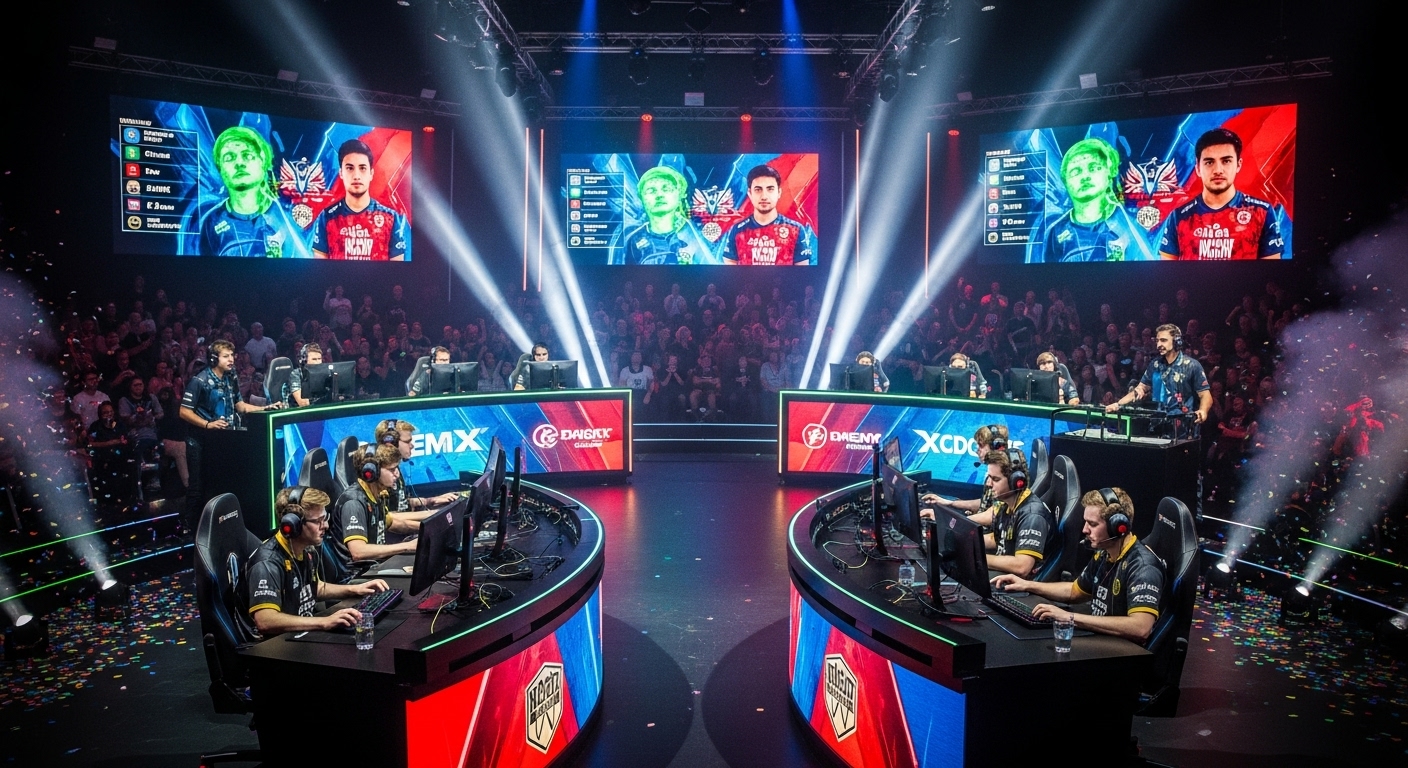
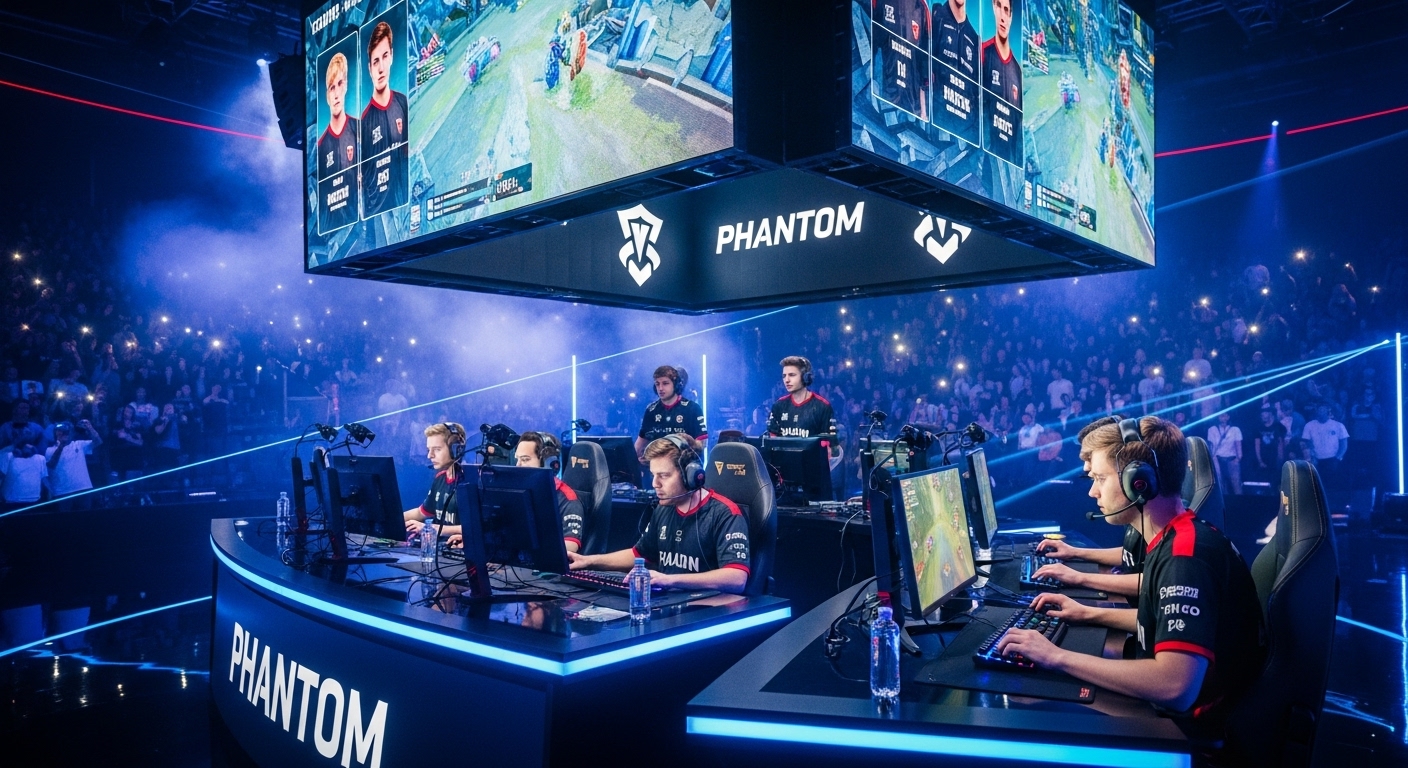
The future of sports is dynamic and evolving. Emerging technologies, increased globalization, and innovative fan engagement will redefine athletic competition and experiences. Esports and virtual competitions are creating new arenas for participation and spectatorship.
Youth involvement, diversity, and inclusivity will continue to shape the landscape of sports. With sustainable practices and technological integration, sports will remain a powerful tool for health, education, and social cohesion. The spirit of competition and the joy of participation will endure, inspiring generations to come.
Conclusion
Sports are more than games—they are a celebration of human potential. They promote physical and mental well-being, foster community and cultural identity, and inspire personal and collective achievement. Whether experienced on the field, in the arena, or through digital platforms, sports unite people, ignite passion, and shape societies.
From ancient traditions to modern innovations, sports reflect the timeless values of resilience, discipline, teamwork, and integrity. As the world evolves, the influence of sports will continue to grow, inspiring individuals, strengthening communities, and providing a shared language of passion and excellence that transcends borders.