Introduction: Esports as a Cultural Phenomenon
In recent years, esports has transformed from a niche hobby into a global cultural phenomenon. What once began as casual video game competitions among friends has evolved into a highly organized, professional industry attracting millions of viewers worldwide. Esports, short for electronic sports, encompasses competitive gaming across multiple genres, including strategy games, first-person shooters, battle royale, and sports simulations. The rapid growth of esports reflects the changing landscape of entertainment, technology, and youth culture. Today, it is not just a form of recreation but a legitimate platform for competition, innovation, and career opportunities.
The Evolution of Esports
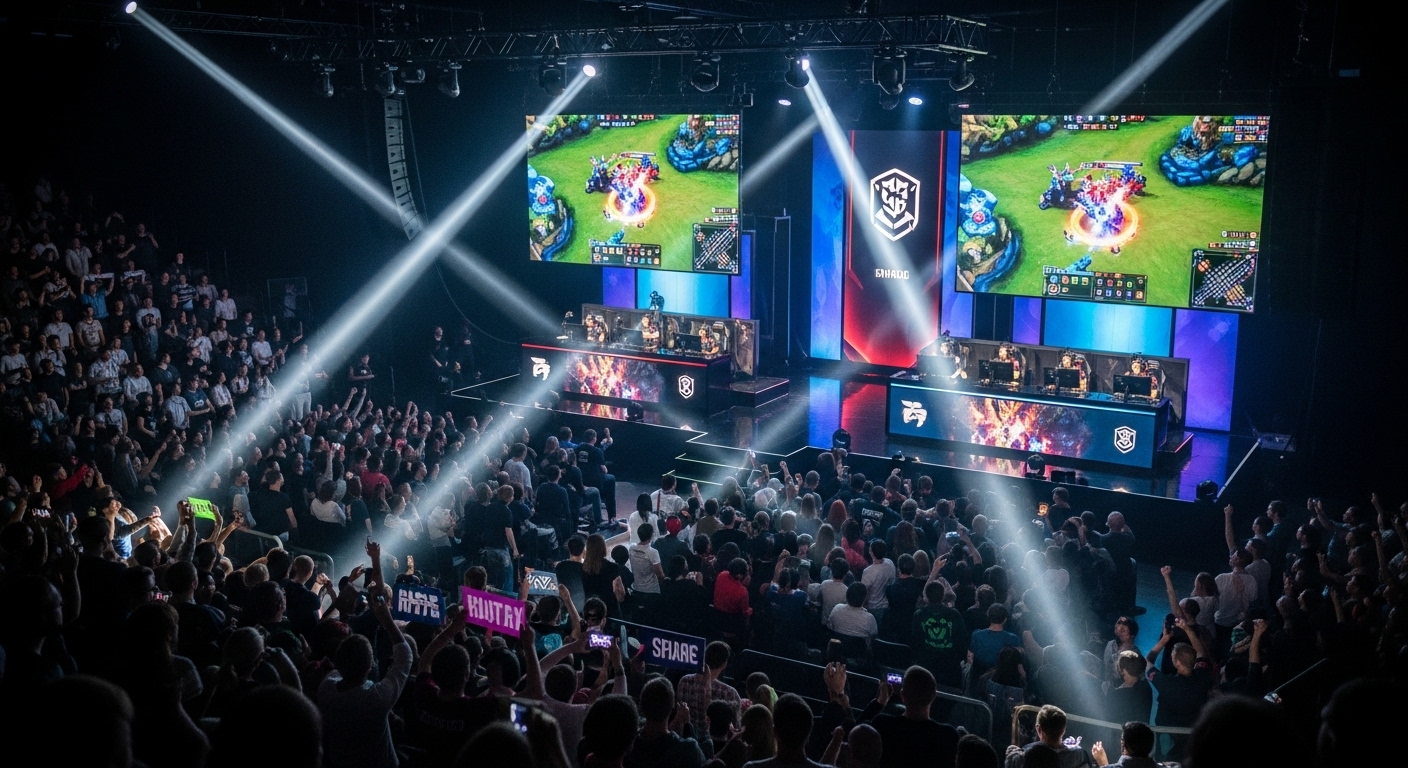
Esports traces its roots back to the early 1980s when arcade tournaments and home gaming competitions first emerged. Classic games such as Space Invaders, Pac-Man, and later, Street Fighter and StarCraft, laid the foundation for competitive gaming. The advent of high-speed internet in the late 1990s and early 2000s allowed players to compete online, connecting communities across continents. Streaming platforms and video-sharing services further accelerated esports’ popularity by making competitions accessible to a global audience. Today, esports tournaments rival traditional sports events in scale, prize money, and fan engagement, illustrating how technology has reshaped the concept of competitive sports.
The Appeal of Esports
Esports appeals to millions of participants and spectators because it combines entertainment, strategy, and skill. Players engage in fast-paced, intellectually stimulating games that demand quick thinking, coordination, and teamwork. For viewers, esports provides a sense of excitement similar to traditional sports, with dramatic moments, rivalries, and unexpected outcomes. Unlike conventional sports, esports is inclusive and accessible to a wider demographic. Age, physical condition, or geographic location does not restrict participation. Anyone with access to a computer or gaming console can engage, making esports an unparalleled platform for global connectivity.
Skill Development and Personal Growth Through Esports
Esports is not just about playing games; it requires the development of complex skills and mental discipline. Professional players spend hours honing reflexes, strategic thinking, communication, and leadership abilities. Many esports games demand collaboration in team-based environments, teaching players the importance of coordination, planning, and adaptability. Moreover, esports encourages problem-solving under pressure, resilience in the face of setbacks, and the ability to analyze performance critically. These attributes are transferable to other areas of life, including education, business, and creative pursuits, highlighting esports’ role in personal growth beyond entertainment.
The Business of Esports
Esports has become a multi-billion-dollar industry encompassing tournaments, sponsorships, advertising, streaming, and merchandise. Major competitions attract enormous audiences, with prize pools rivaling traditional sports events. Corporations sponsor teams and tournaments to reach engaged, tech-savvy demographics. Streaming platforms allow fans to follow players in real-time, creating interactive experiences that deepen engagement and foster loyal communities. Additionally, esports organizations operate like professional sports franchises, hiring coaches, analysts, and marketing teams to optimize performance and branding. The commercialization of esports demonstrates its legitimacy as a business sector and a significant contributor to the global entertainment economy.
Community and Social Connection
At the heart of esports lies a vibrant global community. Gamers, fans, and content creators form networks where they share experiences, discuss strategies, and celebrate achievements. Online forums, live streams, and social media platforms allow fans to interact with players, participate in tournaments, and contribute to game culture. Esports also fosters inclusivity, allowing people from diverse backgrounds to connect over shared interests. For many, esports serves as a social hub where friendships, mentorships, and collaborative experiences flourish. Unlike traditional sports, where physical proximity often limits participation, esports creates a sense of belonging that transcends borders.
Women and Diversity in Esports
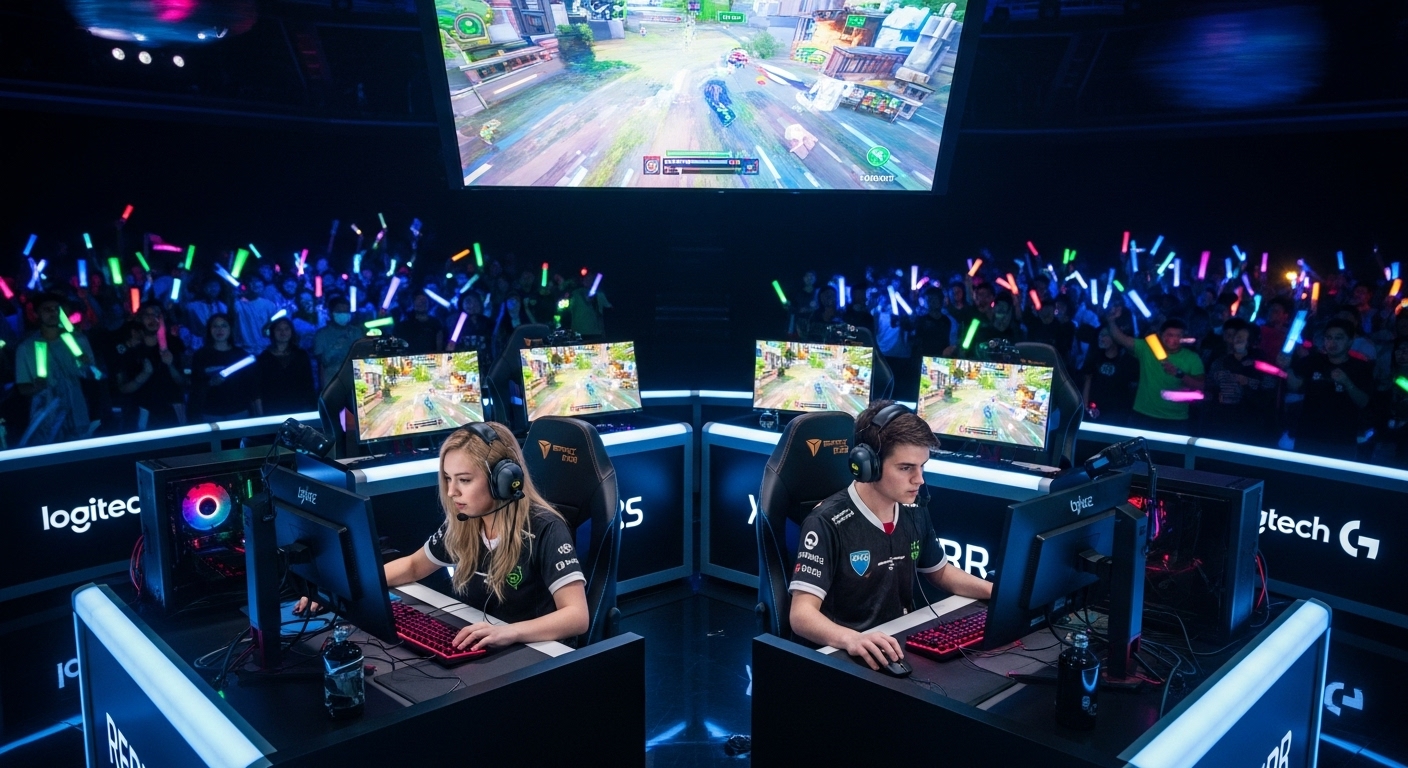
Historically, esports was male-dominated, but recent years have seen increasing participation by women and underrepresented groups. Female gamers and professionals are breaking barriers and gaining recognition in competitive scenes, streaming platforms, and content creation. Inclusive initiatives and organizations are actively promoting diversity in esports, encouraging participation regardless of gender, ethnicity, or background. This shift not only enriches the competitive landscape but also challenges stereotypes and fosters a culture of equality and respect. Diversity in esports strengthens communities, broadens the talent pool, and enhances creativity and innovation within the industry.
Mental and Physical Challenges in Esports
While esports offers numerous benefits, it also presents unique challenges. Professional players often face high levels of stress, pressure to perform, and extended periods of screen time. Mental health concerns such as burnout, anxiety, and depression have been documented among competitive gamers. Physical issues, including eye strain, repetitive stress injuries, and poor posture, are also prevalent. Addressing these challenges requires awareness, proper training regimens, balanced schedules, and mental health support. Esports organizations and players increasingly recognize the importance of holistic health, integrating physical fitness, nutrition, and mindfulness into professional routines.
The Role of Technology in Esports
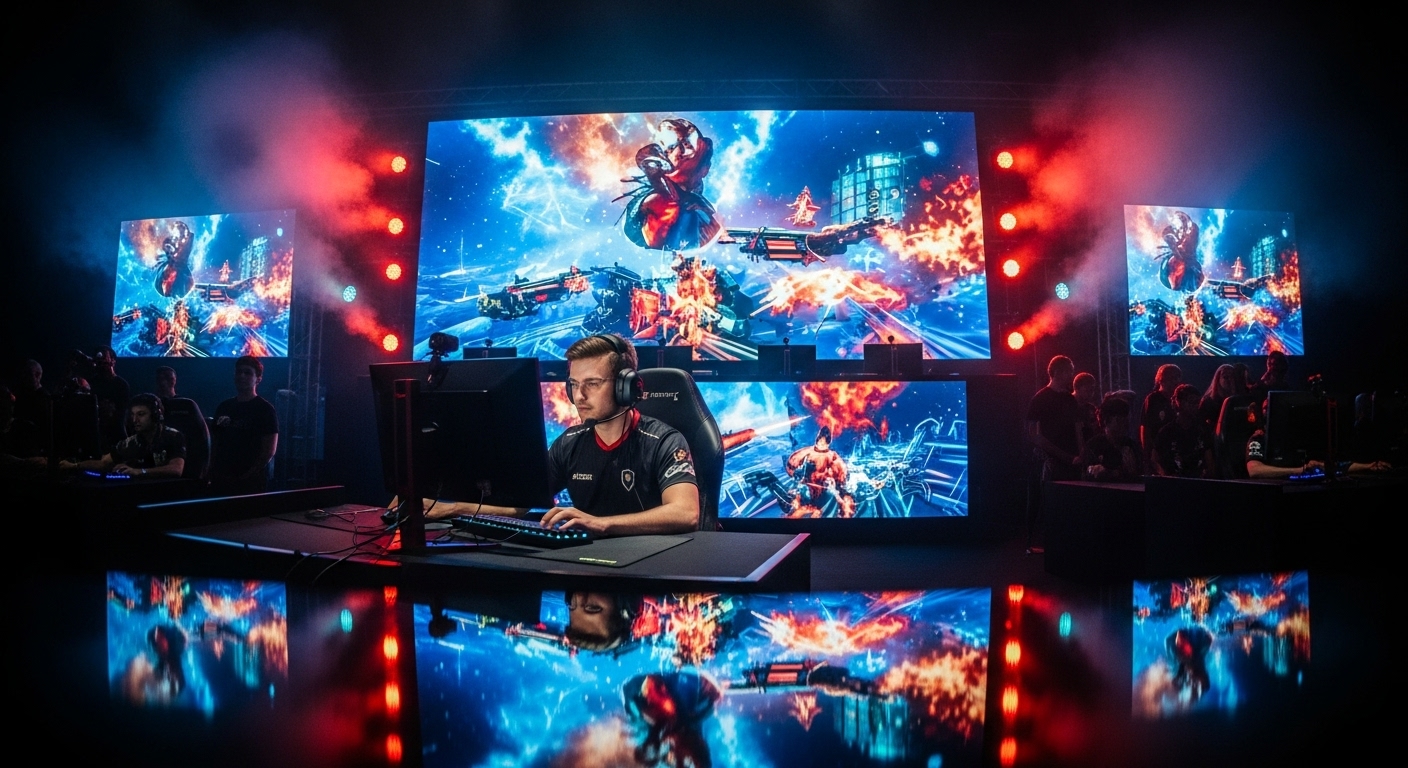
Technology is central to the growth and evolution of esports. High-speed internet, powerful gaming hardware, virtual reality, and sophisticated software enable real-time global competition. Data analytics and performance tracking allow players and coaches to refine strategies and optimize gameplay. Streaming technology connects audiences worldwide, providing interactive experiences through live chat, overlays, and virtual events. Innovations such as augmented reality and virtual reality are also expanding possibilities, creating immersive environments that redefine how games are played and experienced. Technology continues to drive the evolution of esports, shaping it into a dynamic and ever-expanding domain.
Esports as a Career Path
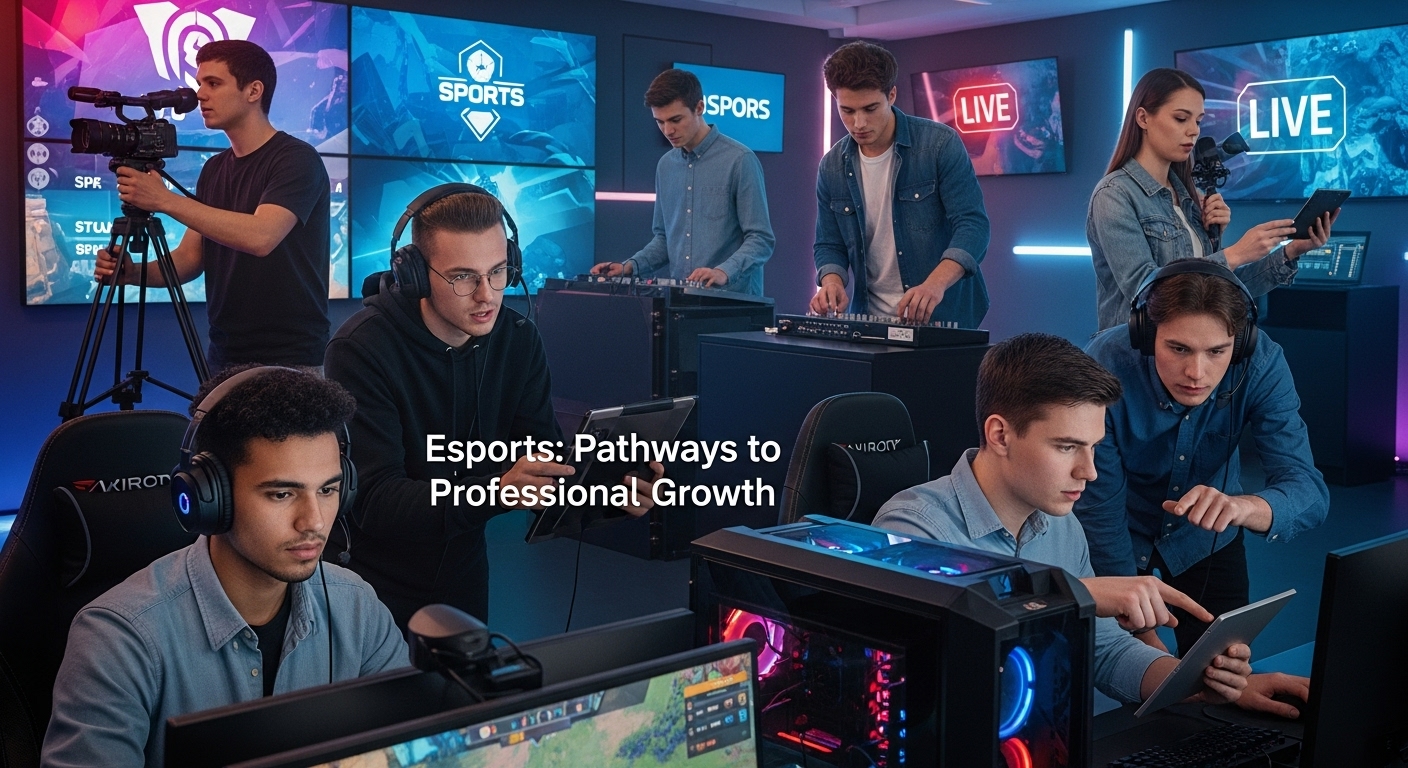
Esports has emerged as a viable career path, offering opportunities as professional players, coaches, commentators, content creators, analysts, and event organizers. Educational institutions are introducing programs focused on esports management, game design, and performance psychology. Players can earn substantial incomes through salaries, sponsorships, and streaming revenue, while other roles provide long-term career stability within the industry. This professionalization of esports mirrors traditional sports, providing structured pathways for individuals to turn their passion for gaming into a fulfilling vocation.
The Global Impact of Esports
Esports is no longer limited to a few countries or regions; it is a truly global phenomenon. Countries such as South Korea, the United States, China, and several European nations have developed robust esports ecosystems, with professional leagues, infrastructure, and government support. International tournaments bring together top players from around the world, fostering cultural exchange, friendly rivalry, and shared learning. Esports’ global reach demonstrates its potential to bridge cultures, create economic opportunities, and inspire innovation on an international scale.
The Future of Esports
The future of esports is bright, with continued growth, innovation, and mainstream acceptance. Emerging technologies, increasing investment, and expanding fan bases will further professionalize the industry. Adaptive esports and inclusive initiatives will make the field accessible to individuals with disabilities, promoting participation on a wider scale. Collaborative partnerships with traditional sports organizations, media companies, and educational institutions will enhance legitimacy and visibility. As esports continues to evolve, it will redefine competition, entertainment, and social connection in ways that were once unimaginable, solidifying its place as a central pillar of the digital age.
Conclusion: Why Esports Matters
Esports represents a transformative shift in how society views competition, entertainment, and human achievement. It offers opportunities for skill development, personal growth, career advancement, and social connection. Esports bridges cultures, creates communities, and inspires millions to pursue excellence in gaming and beyond. While challenges exist, the industry’s growth, inclusivity, and technological innovation underscore its potential as a lasting cultural and professional force. In the digital era, esports is not just a pastime—it is a powerful platform redefining the meaning of competition, collaboration, and creativity for generations to come.